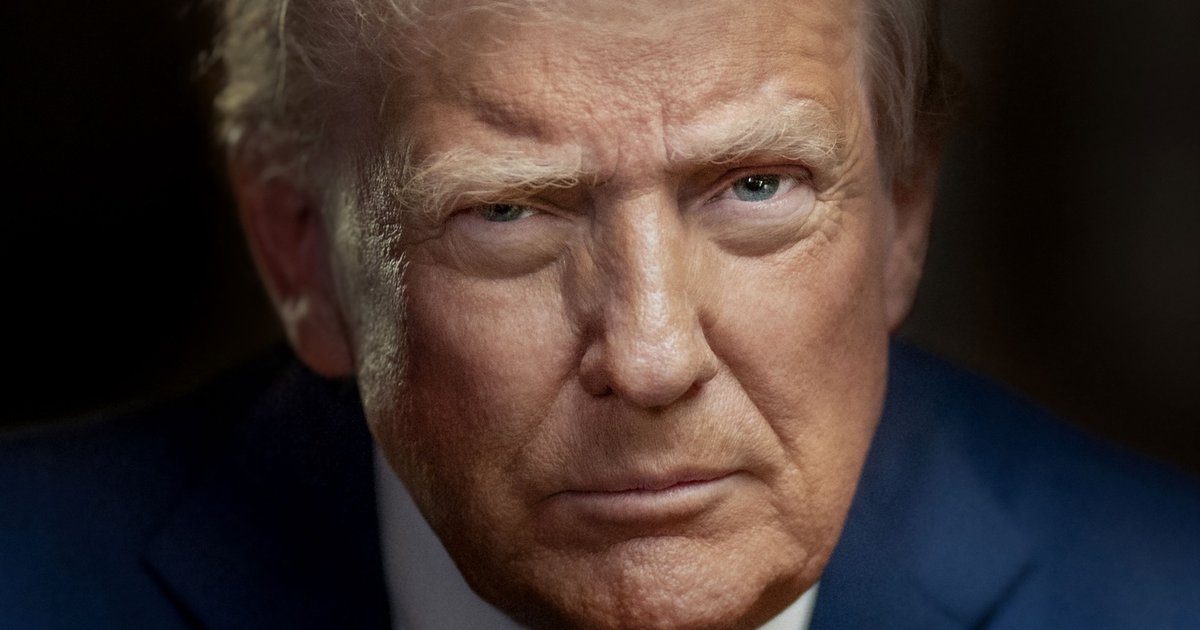
The United States cancelled a planned troop deployment to Poland on May 15, the first concrete sign that the Trump administration is narrowing NATO's eastern defense posture. The decision came as Russia and China coordinated military positioning across two critical chokepoints—the Taiwan Strait and the Hormuz Corridor—in what intelligence analysts describe as a deepening axis. The moves, captured in a single 24-hour window, suggest Washington is no longer functioning as the anchor of European and Indo-Pacific deterrence.
The Pentagon notified allied commanders that the Poland deployment, previously scheduled for June, would not proceed. According to Defense News reporting on May 15, Pentagon officials cited "policy recalibration under the Trump administration" but did not specify whether the decision reflected budget constraints or a shift in strategic doctrine. The announcement unsettled Warsaw and Budapest, with Polish defense ministry officials expressing concern that the move signals reduced US commitment to the alliance's forward defense line. No replacement deployment was announced.
In parallel, Moscow publicly aligned itself with Beijing's position on the Strait of Hormuz after an LPG carrier successfully transited contested waters. Nikkei Asia reported on May 14 that a Russian envoy explicitly endorsed China's maritime claims in the region, marking the first overt diplomatic coordination between the two powers on chokepoint control. The statement came days after China accelerated its missile buildup near Taiwan, a move first reported by Reuters that underscores Beijing's readiness for potential military action. The coordination suggests Moscow and Beijing now view their peripheral interests—Ukraine's western allies and Taiwan's status—as mutually reinforcing rather than competing.
To be sure, Trump administration officials have maintained that the Poland decision reflects operational efficiency and a focus on "burden-sharing" with European NATO members. The White House has characterized the move as a reallocation, not a withdrawal of commitment. Yet the timing—coinciding with Russia-China diplomatic alignment and the largest Moscow drone attack in over a year—suggests a broader shift in how Washington assesses allied defense requirements. The decision leaves Romania and the Baltics without additional reinforcement from US ground forces, a gap that NATO planners have identified as critical to deterrence credibility.
The fracture in the US-led alliance architecture is now visible on two fronts. In Europe, the cancellation signals that Trump views NATO expansion and forward basing as costs rather than strategic assets. In the Indo-Pacific, the absence of US countermeasures to Russian-Chinese coordination on Hormuz suggests Washington lacks either the diplomatic bandwidth or the strategic will to maintain its position as the guarantor of maritime commerce. European equity markets fell sharply on the news—the DAX and CAC 40 each dropped more than 1.5 percent—reflecting trader concern that a fractured Western alliance will struggle to sustain deterrence. The deepening Russia-China axis is no longer a speculative threat; it is now a coordinated operational reality.