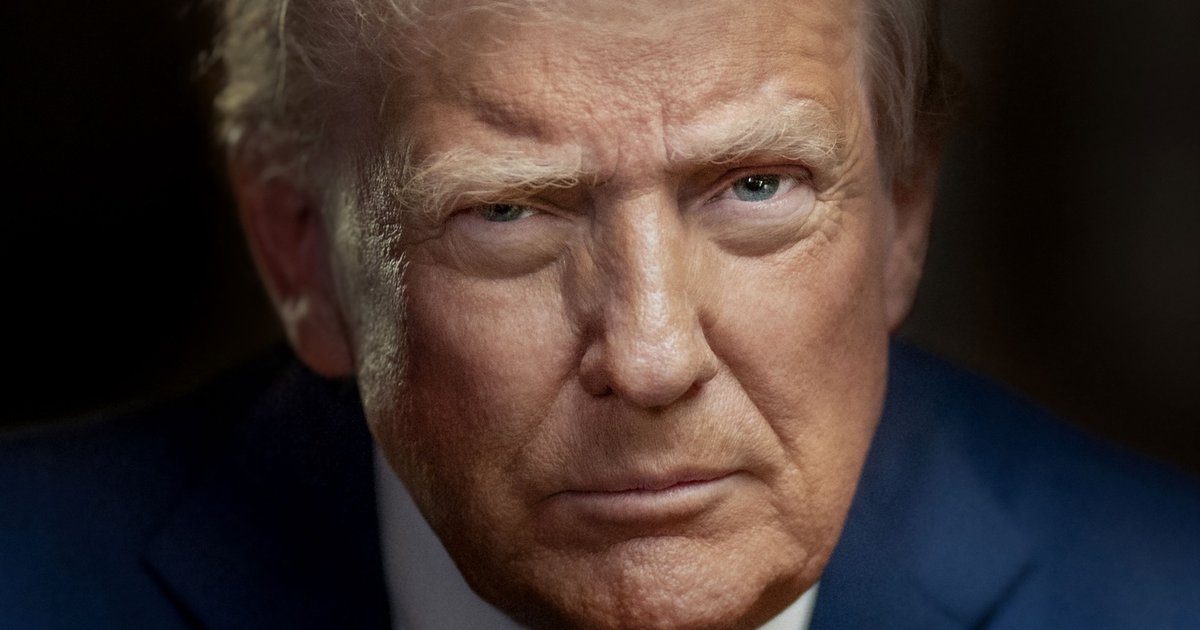
Donald Trump said on May 14 he is running out of patience with Iran, signaling openness to military action as Israel raised its defense posture and US officials confirmed Iranian cyberattacks on American fuel infrastructure. The escalation comes as crude oil prices jumped 4.2 percent, deepening an energy crisis in India that is already pressuring corporate earnings and threatening growth. The convergence suggests a widening conflict zone extending from the Persian Gulf through South Asia, with each theater reinforcing pressure on the last.
Trump's remarks, reported by Channel News Asia on May 14, represent a notable hardening of messaging after months of signaling openness to negotiation with Tehran. The statement arrived the same day US officials formally attributed a cyberattack on American fuel-system infrastructure to Iranian operatives, according to multiple reports from Reuters and The Wall Street Journal. Israel's simultaneous military alert—confirmed by defense ministry statements—narrows the window for diplomatic off-ramps. The tactical readiness suggests military planners on both sides are now treating escalation as a plausible path rather than a contingency.
Iran's cyber campaign is emerging as a new axis of confrontation between Washington and Tehran. The attack on fuel systems infrastructure signals an intent to target US economic chokepoints rather than military assets, a shift that US intelligence officials told the Journal suggests a deliberate escalation in asymmetric warfare. For its part, Iran has framed its posture as defensive, with Foreign Minister Abbas Araghchi warning Americans they will "pay an economic price" for military action, according to Middle East Eye reporting from May 14. The messaging reveals Tehran calculating that economic pain on American soil may deter intervention more effectively than rhetoric alone.
The energy consequence is immediate and acute. Brent crude surged on Iran escalation fears, with WTI jumping 4.2 percent on the session as traders priced supply disruption risk from a potential Strait of Hormuz blockade. In India, oil price pressures have triggered visible market damage: the IT sector declined and broader equity indices fell as the cost of imported crude strained corporate cash flows, according to reporting from the Hindu and Hindustan Times on May 14. Indian unemployment held steady at 5.2 percent, but energy inflation is now the binding constraint on growth. The calculus is straightforward: every dollar-per-barrel increase in crude ripples through India's current-account deficit and narrows policy flexibility for the Reserve Bank.
What distinguishes this moment from prior Iran tensions is the simultaneity of military positioning, cyber attack attribution, and energy shock across geographically fragmented regions. Trump's patience statement combined with Israel's alert combined with confirmed Iranian cyber operations combined with crude spiking 4.2 percent in a single session suggests that multiple decision-makers have shifted from deterrence posturing to credible escalation planning. The regional leverage structure has narrowed: India cannot absorb sustained crude above $85 without fiscal strain; the UAE faces direct cyber and missile threat; and US negotiators have lost the luxury of time. The signals point toward a window of acute risk between now and early June, when military and diplomatic calendars may begin forcing irreversible choices.