United States
INTELLIGENCE DOSSIER: UNITED STATES ENTITY PROFILE
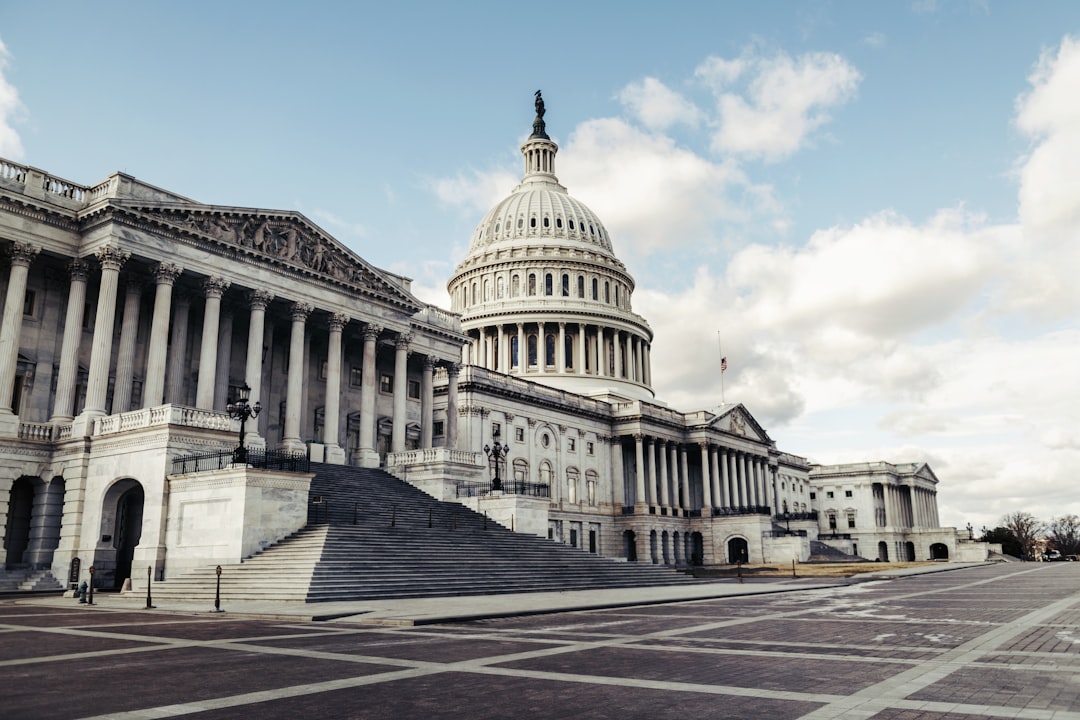
The United States is the world's primary superpower and seat of the 47th presidency under Donald Trump (sworn January 20, 2025). As a high-income nation-state controlling 12.4% of global GDP, advanced military capabilities, and technological infrastructure, the United States maintains central influence over international financial systems, security alliances, and geopolitical outcomes. Its strategic position derives from economic depth, demographic stability, and institutional continuity despite domestic political polarization. Current administration priorities center on reshaping trade relationships, energy independence, and deterrence posturing toward Russia and China—making U.S. policy vectors critical indicators for global stability trajectories.
The United States ranks #1 on the LeadersCartel Power Index with a sustained score of 90.2/100, tracked across 3,261 active intelligence sources with signal distribution weighted 13H/7E/0W. This position reflects stable rather than rising dominance; the score indicates consolidated power rather than acceleration. High-impact signals (13H) concentrate around Trump administration directives on trade, sanctions, and military posture. The emerging signal layer (7E) captures unpredictable policy reversals and diplomatic friction, particularly visible in the Ukraine-Russia theater. Watch-tier signals (0W) suggest no immediate structural threats to U.S. positioning, though internal divisions remain monitored.
Three critical developments emerged this reporting period. Ukraine resumed attacks on Russian oil refineries while U.S.-Russia relations deteriorated sharply—signaling active proxy conflict escalation and Trump administration recalibration of NATO commitment levels. Simultaneously, a major fast-food industry partnership collapsed unexpectedly, reflecting broader supply-chain stress and domestic business instability. Most strategically, Tehran's diplomatic paralysis signals Iran caught between negotiation and escalation—a direct consequence of U.S. sanctions architecture and Trump's re-engagement with maximum-pressure policies. These signals collectively indicate U.S. primacy exercised through coercion rather than alliance-building.
Monitor Trump administration signaling on Ukraine aid commitments over the next 72 hours. The specific trigger event to watch: any formal U.S. statement restricting weapons shipments to Kyiv would signal fundamental shift in post-Cold War security commitments and would immediately