The Pentagon has acknowledged that US troops across multiple global commands have been systematically targeted using compromised location data, according to Defense News reporting on May 27. The vulnerability exposes a force-protection gap at the moment when US diplomatic leverage in the Gulf also depends on Trump's approval of a fragile 60-day Iran ceasefire extension. Together, the two developments signal a tightening operational squeeze on US power projection.
Defense News confirmed the breach involved widespread access to location intelligence that adversaries have used to target personnel at multiple commands. The Pentagon has acknowledged the exposure but has not disclosed the full scope of affected units or the mechanism of compromise. The breach appears to have been discovered after patterns of targeting emerged, signaling that the vulnerability persisted long enough to enable multiple strike attempts. To be sure, Pentagon officials maintain they have implemented immediate hardening measures and are conducting a comprehensive audit of access protocols.
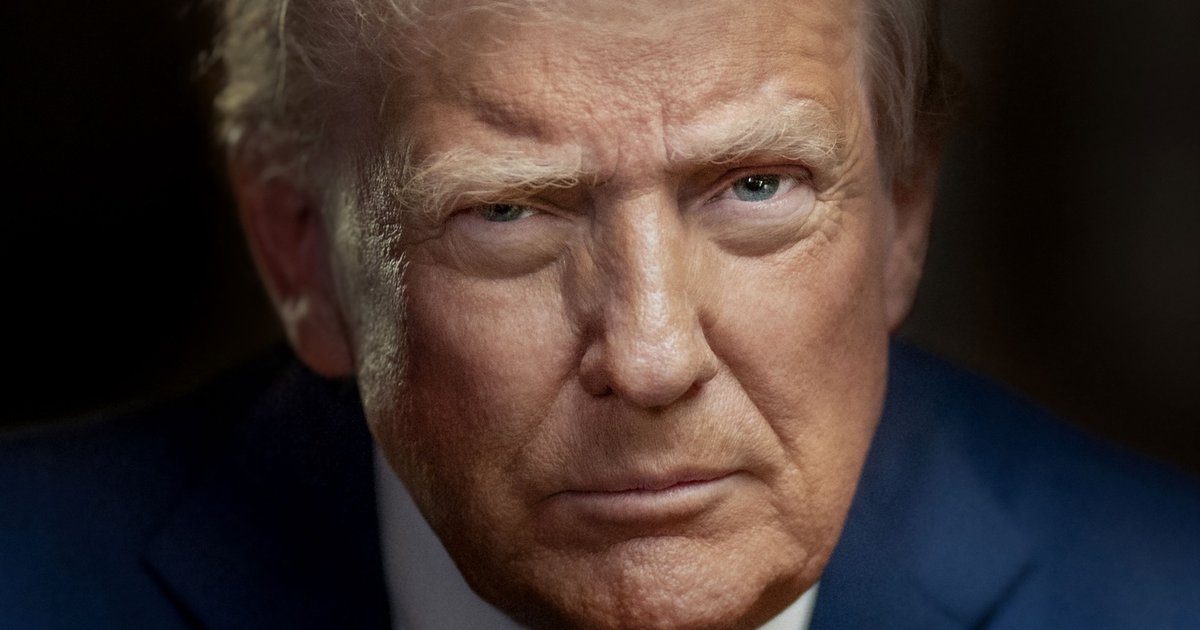
The timing creates a strategic complication for the Trump administration. According to reporting from multiple outlets on May 27, the US and Iran agreed to extend their ceasefire for 60 days, but the deal requires Trump's explicit approval to proceed. Trump has not yet signaled his position, and his prior comments on Iran policy have ranged from support for de-escalation to skepticism toward diplomatic channels. The ceasefire extension was brokered by Kuwait and involves Saudi Arabia as an implicit stakeholder, meaning Trump's rejection could fracture the entire Gulf mediation architecture.
The location-data compromise complicates force-protection decisions in theaters where the US maintains forward bases vulnerable to precision strikes. Iran-aligned militias have demonstrated the capacity to conduct coordinated drone and missile attacks on US positions in Iraq and Syria. A ceasefire collapse would remove the diplomatic off-ramp and elevate incentives for Iranian proxies to exploit any location data still in circulation. Market reaction to the developing crisis has been muted: oil WTI declined 1.03% on the session, suggesting traders do not yet assess either the breach or the ceasefire collapse as imminent supply threats.
The strategic reading is that US operational control is narrowing across two domains simultaneously. The location-data breach suggests that adversaries have penetrated the military's telecommunications or intelligence-sharing apparatus, a capability that compounds any state-level targeting advantage. The Iran ceasefire conditionality—that it depends on Trump's personal approval rather than institutional agreement—creates a veto point that sits outside normal diplomatic precedent. If Trump rejects the extension, the US loses both the ceasefire stability and the mediation credibility that allowed the deal to proceed. If he approves it, the institution of the presidency overrides State Department negotiating authority, which sets a precedent for future deals to remain contingent on executive personnel rather than institutional commitment. Either outcome erodes the durability of US power posture in the region.