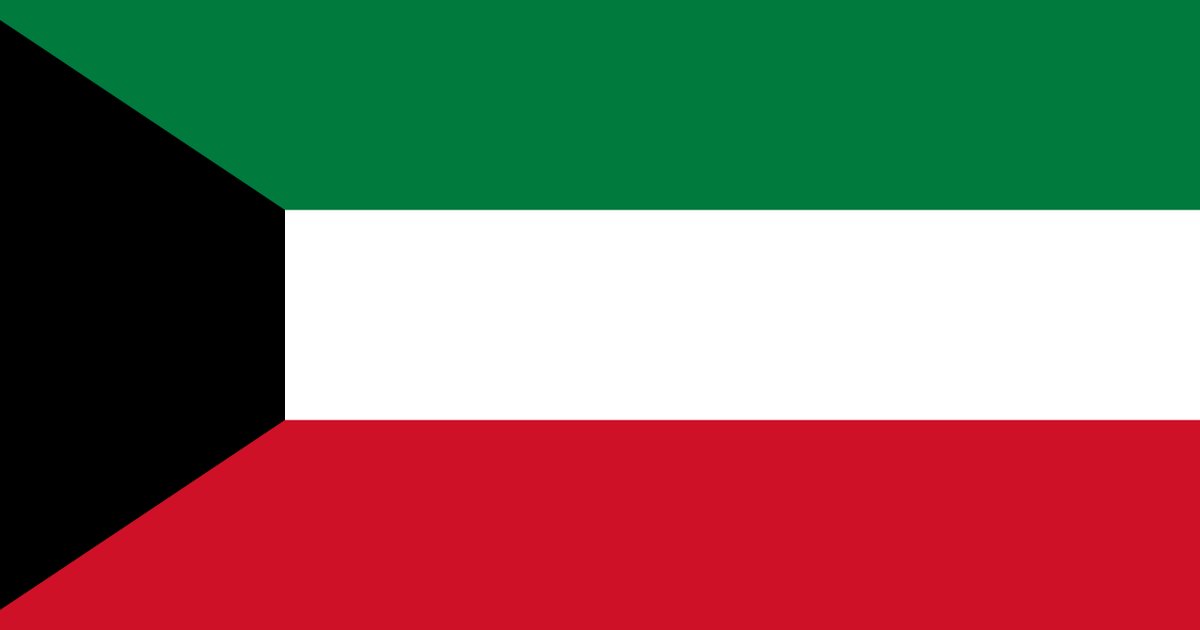
Kuwait
INTELLIGENCE DOSSIER: KUWAIT
Kuwait is a sovereign Gulf state and critical US-aligned petro-monarchy with strategic positioning at the nexus of Middle Eastern geopolitics and global energy security. As OPEC's fourth-largest producer and host to forward-operating US Central Command facilities, Kuwait maintains disproportionate influence over regional stability and petroleum markets despite modest population of 4.3 million. The emirate's economic model—oil-dependent with $600 billion sovereign wealth—makes it a barometer for Gulf consensus and US strategic interests in the Persian Gulf, particularly as the Trump administration recalibrates Middle East engagement post-2025.
Kuwait currently ranks 243rd on the LeadersCartel Power Index with a score of 1.5, tracked across 1,019 active intelligence sources. The rank reflects stable but modest geopolitical weight relative to global powers; however, the 1H/0E/0W signal distribution indicates concentrated high-impact activity concentrated in one vector rather than emerging or watch-tier diversification. This suggests Kuwait's influence remains episodic and reactive—spiking during energy crises or US strategic reassessment—rather than proactive agenda-setting. The monitored tier classification signals neither rising prominence nor acute concern, but demands continuous surveillance for regional shifts.
Kuwait Airways experienced a technical grounding in India's Thiruvananthapuram airport this week, signaling potential operational vulnerabilities in its regional connectivity. More significantly, French President Emmanuel Macron's scheduled October visit to Kuwait alongside UAE, Bahrain, and Qatar indicates France's strategic pivot toward Gulf engagement—a counterweight to US and Chinese influence that could reshape coalition dynamics. The signal "Dispatch from the Gulf: Kuwait still wants Washington but is preparing for less" carries acute geopolitical weight: it reveals Kuwait's hedging strategy against potential US retrenchment under the Trump administration, suggesting internal policy debates about strategic diversification toward France, India, or regional players.
Analysts should monitor whether Macron's October visit produces new security commitments or energy partnerships that reduce Kuwait's Washington dependence—a 72-hour trigger event is any formal defense or investment agreement announced during the France visit. Watch simultaneously for OPEC production statements and any Trump administration signaling on Gulf basing or military presence, as these will directly determine Kuwait's strategic positioning