United Kingdom
# INTELLIGENCE DOSSIER: UNITED KINGDOM
**CLASSIFICATION: MONITORED | TIER: ACTIVE**
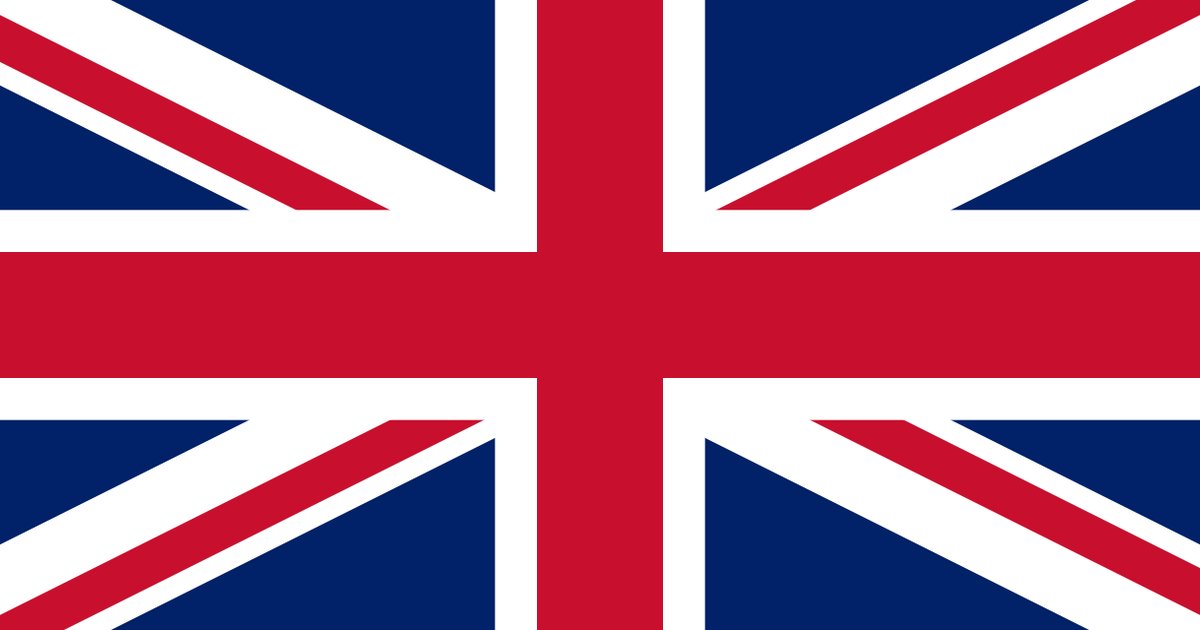
The United Kingdom is a sovereign nation-state and permanent UN Security Council member currently led by Prime Minister Keir Starmer. As a NATO cornerstone and leading European maritime power, the UK maintains disproportionate global influence through its naval capabilities, intelligence networks (particularly GCHQ), and financial markets centered in London. Despite post-Brexit recalibration, Britain remains strategically critical to Western alliance cohesion, particularly regarding Middle Eastern stability, Ukraine support coordination, and Indo-Pacific engagement. The UK's role as a transatlantic bridge between Washington and European capitals gives it outsized diplomatic leverage despite its rank-9 position.
The United Kingdom currently ranks ninth on the LeadersCartel Power Index with a score of 24.7, tracked across 2,771 active intelligence sources with signal distribution weighted toward 16 emerging indicators and 4 high-impact signals. This score reflects stable positioning rather than trajectory decline, indicating Britain maintains consistent influence without recent acceleration. The monitored tier classification suggests sustained international engagement without crisis-level volatility. The UK's power derives primarily from institutional continuity and alliance architecture rather than individual decision-maker dominance, distinguishing it from rank-1 volatility players.
Three critical developments emerged this cycle. UKMTO maritime incident reports indicate unknown projectile strikes on commercial tankers off Saudi Arabia's coast, with UKMTO noting most vessel operators remain unreported on Hormuz attacks, suggesting escalating maritime risk underreporting that threatens UK shipping interests and regional stability. Simultaneously, approximately 1,500 UK troops are participating in Coalition of Willing exercises in Poland, directly signaling NATO's eastern flank reinforcement and UK's commitment to deterring Russian pressure. These signals interconnect: maritime threats redirect naval assets while ground force deployment demonstrates dual-theater operational readiness.
Analysts should monitor UK-led maritime intelligence coordination in the Arabian Sea over the next 72 hours and track whether additional projectile incidents trigger formal Hormuz Strait shipping lane restrictions. The specific trigger event: any UKMTO statement escalating threat assessment to "imminent" status would necessitate immediate UK Defense Ministry activation of additional escort capabilities and potential Cabinet-level emergency response, fundamentally shifting regional alliance