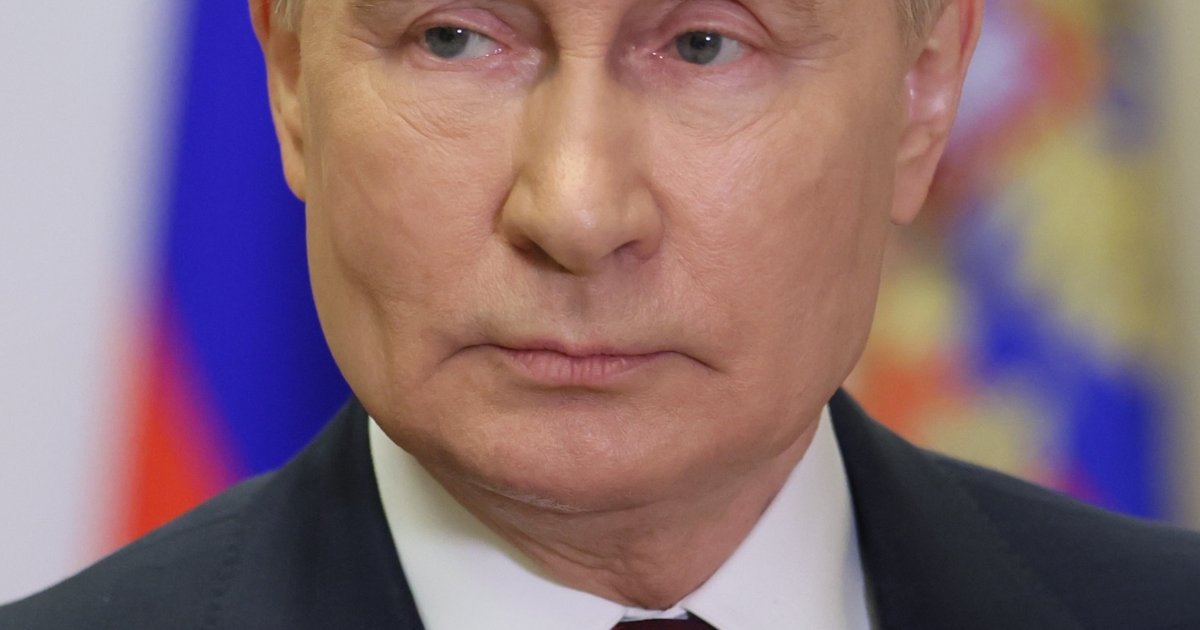
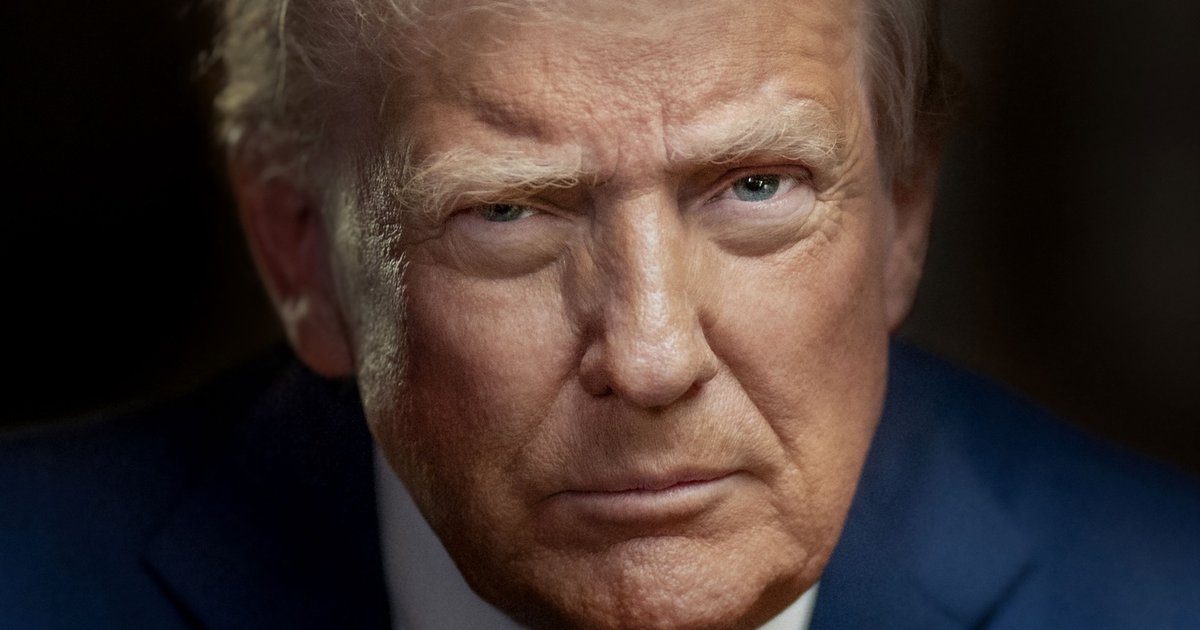
Vladimir Putin arrived in Kazakhstan on May 26 to finalize intergovernmental nuclear agreements and coordinate Armenia energy strategy, deepening Russia's control over Central Asia's economic architecture. The visit comes as the United States conducted fresh military strikes on Iranian facilities and imposed sanctions on Tehran's Strait of Hormuz shipping authority, escalating regional tensions. Together, the moves expose a widening strategic divide: Moscow is consolidating longer-term institutional ties while Washington pursues acute military pressure, fracturing the transatlantic consensus on Ukraine.
The Putin-Tokayev summit marks Russia's most significant Central Asian advancement since 2022, according to TASS reporting on May 26. The nuclear accord grants Moscow deepened access to Kazakhstan's uranium reserves and extends Russian control over regional energy flows—a structural shift that isolates Kazakhstan from Western alternatives and tightens the Eurasian Economic Union. Putin's explicit coordination on Armenia energy policy signals Moscow is closing off third-party intervention in the South Caucasus, a region Western capitals have sought to penetrate since the 2020 war.
Parallel to this, the Trump administration ordered fresh strikes against Iranian military sites and targeted the Iranian shipping authority controlling Hormuz transit, according to reporting by Reuters and CBS News. The escalation deepens what Trump officials describe as a recalibration of deterrence, though it fractures the emerging US consensus on de-escalation. Congresswoman Luna's public criticism of Zelensky's negotiating stance, reported by Politico, reveals that Washington's own political consensus on Ukraine is splintering—a vulnerability Russia can exploit while consolidating its own sphere.
The European Union, meanwhile, is moving in the opposite direction. Von der Leyen signaled an accelerated timeline for Ukrainian institutional integration into Brussels frameworks, according to reporting from Politico Europe on May 25. This suggests the EU is betting on long-term structural anchoring of Ukraine rather than near-term military escalation. To be sure, Trump administration officials maintain that military pressure and negotiating flexibility are complementary strategies, not contradictory ones—a position European capitals dispute.
The divergence reflects a deeper strategic misalignment. Russia is playing a 20-year game: cementing control over Central Asia's energy architecture, locking Armenia into its sphere, and waiting for Western alliance cohesion to erode further. The US and EU are playing different games—Washington tactical escalation on Iran, Brussels institutional embedding of Ukraine—with no coordinated endgame. The result is that Russia's negotiating leverage on Ukraine appears to be strengthening precisely as Western pressure is splintering into competing objectives.
NATO border tensions reinforce this fracture. Ukrainian drones entered Latvian airspace and Ukraine launched 82 artillery strikes on Russia's Kursk region in 24 hours, according to NATO monitoring. These operations, though tactically routine, signal uncontrolled escalation risk in a theater where Russia now operates from a position of deepening regional consolidation. The Kremlin can absorb Kursk pressure while its Central Asian positions harden—a strategic asymmetry that was not visible three months ago.