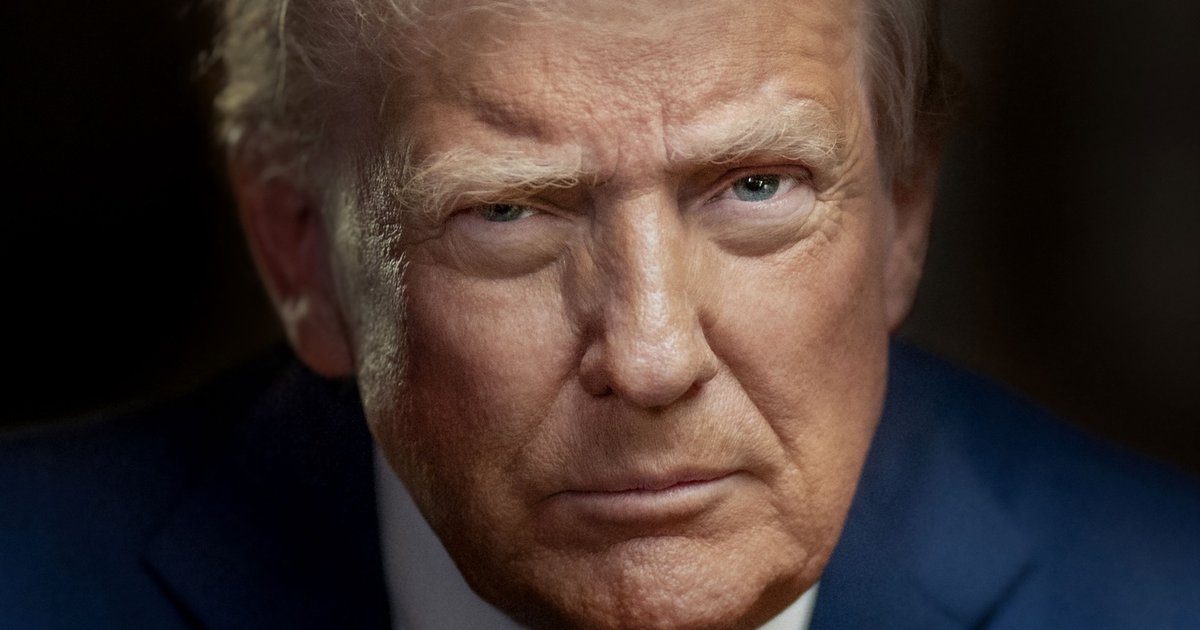
The Trump administration cancelled a planned military strike on Iran on May 23, citing incomplete nuclear negotiations. The decision came as a landmark UN treaty review collapsed without consensus, signalling an acceleration in great power arms competition. Together, the moves expose a narrowing gap between de-escalation rhetoric and structural strategic instability.
Trump's decision to call off the strike represents a visible retreat from immediate military pressure, even as the broader US-Iran standoff remains unresolved. According to reporting on May 23, the administration framed the pause as a negotiating tactic rather than a policy reversal, with officials noting that talks remain active. The move contrasts sharply with Trump's prior messaging on Iranian threats and suggests a recalibration of operational tempo rather than a fundamental shift in adversarial posture.
Simultaneously, the collapse of the nuclear treaty review at the UN signals a deeper erosion of the arms control architecture that underpinned Cold War stability. Reuters reported on May 23 that major powers failed to achieve consensus on a final statement, marking the first review cycle without agreement since the treaty's inception. The fracture reflects US-Russia tensions over Ukraine, Chinese military expansion, and competing visions of what nonproliferation obligations actually mean.
For its part, the Trump administration has maintained that the treaty review's failure stems from adversarial reluctance to accept inspections and transparency measures, a position Moscow and Beijing dispute. Natural gas futures surged 3.92% on May 23, reflecting trader concern that failed arms control talks could prolong regional tensions and supply uncertainty. The market reaction suggests capital participants are pricing a longer-term risk premium into energy and defense spending.
The strategic reading is clearer than the immediate headlines suggest: Trump's willingness to pause military action does not address the underlying structural void. With no binding treaty consensus, each major power now operates under its own interpretation of what constitutes acceptable military buildout. This bifurcation—de-escalation gestures paired with collapsed multilateral constraints—signals not stability but a transition toward unconstrained great power competition. US negotiating leverage depends on both military credibility and alliance cohesion; the cancelled strike may preserve the first at the cost of weakening the second.
Watch for Iran's next diplomatic move closely. If Tehran responds to the strike cancellation with its own de-escalatory signal, a fragile negotiating track may re-emerge. If instead it accelerates uranium enrichment or tests new missile systems, the pause becomes a tactical reprieve rather than a strategic opening. The difference determines whether the US emerges from this period with a renegotiated settlement or faces a prolonged standoff in which neither side controls escalation dynamics.