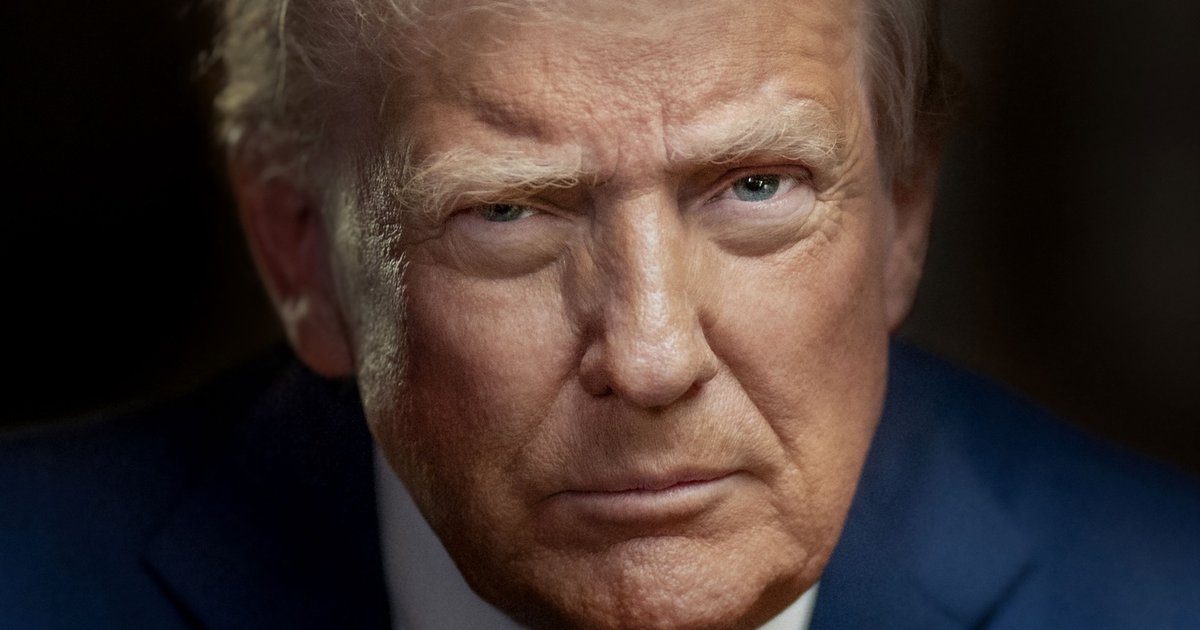
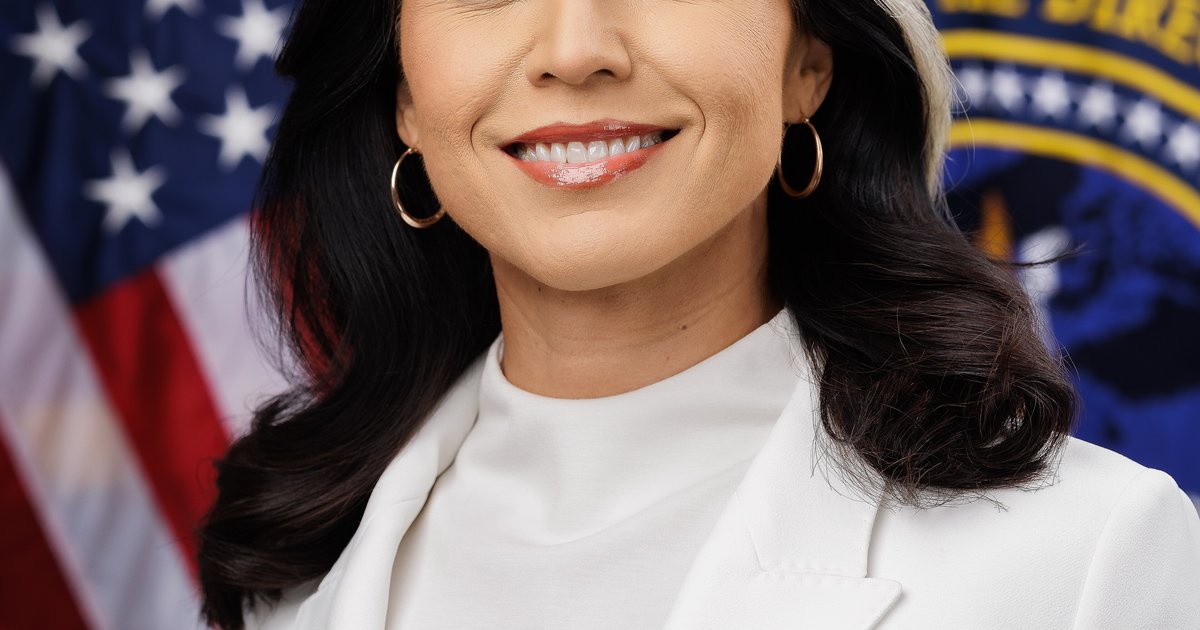
The Trump administration's Iran strategy is contracting sharply. On May 21, House Republicans abruptly cancelled a planned vote on military action against Tehran, according to Politico reporting, while National Security Advisor Tulsi Gabbard departed the cabinet days earlier after publicly opposing the administration's hardline stance. The twin moves expose ideological fracture within Trump's inner circle at a moment when Qatar and Saudi Arabia are actively pushing Washington toward de-escalation talks.
Gabbard's resignation as Intelligence Director signals rejection of the hawkish consensus that had dominated Trump's first term. According to Middle East Eye reporting on May 20, Iran publicly praised the departing official's opposition to military action, a rare diplomatic acknowledgement of internal US disagreement. The timing matters: Gabbard leaves as House Republicans abandon their Iran war resolution, suggesting the non-interventionist faction within the administration has gained ground against the Pentagon and State Department hardliners who favor sustained pressure.
The House vote cancellation reflects weakening Congressional appetite for Middle East military commitment. Reuters reported on May 21 that Republican leadership pulled the resolution after gauging insufficient support among rank-and-file members, many citing constituent fatigue with ongoing regional deployments. The move reverses the hawkish momentum that had characterized Trump's first term foreign policy, when military strikes on Iran and Syria faced less organized internal resistance.
Gulf mediation efforts are now moving into the vacuum created by this US policy shift. According to Al-Monitor reporting, Qatar and Saudi Arabia have intensified backchannel communications with Iranian officials, positioning themselves as potential brokers if Washington signals willingness to negotiate. Brent crude edged down 1.8% on the session—a modest move, but one reflecting market assessment that immediate escalation risk has receded. The price stability also signals that Gulf oil exports remain secure despite regional tension, allowing Saudi and Qatari leadership to pursue diplomatic openings without fear of supply-chain punishment.
The narrowing of Trump's Iran options appears structural, not tactical. Gabbard's exit removes the administration's most visible non-interventionist voice, yet her departure came only after the House already moved to restrain military options—suggesting the constraint comes from Congressional and bureaucratic pressure, not from Trump's own evolving preference. For its part, the White House has not formally backed away from pressure campaigns or sanctions enforcement, maintaining that the policy shift reflects operational discretion rather than strategic retreat. What is emerging is a longer conflict between Trump's stated desire for deal-making and the institutional machinery that favors sustained confrontation. The House vote signals that machinery is now meeting Congressional resistance.