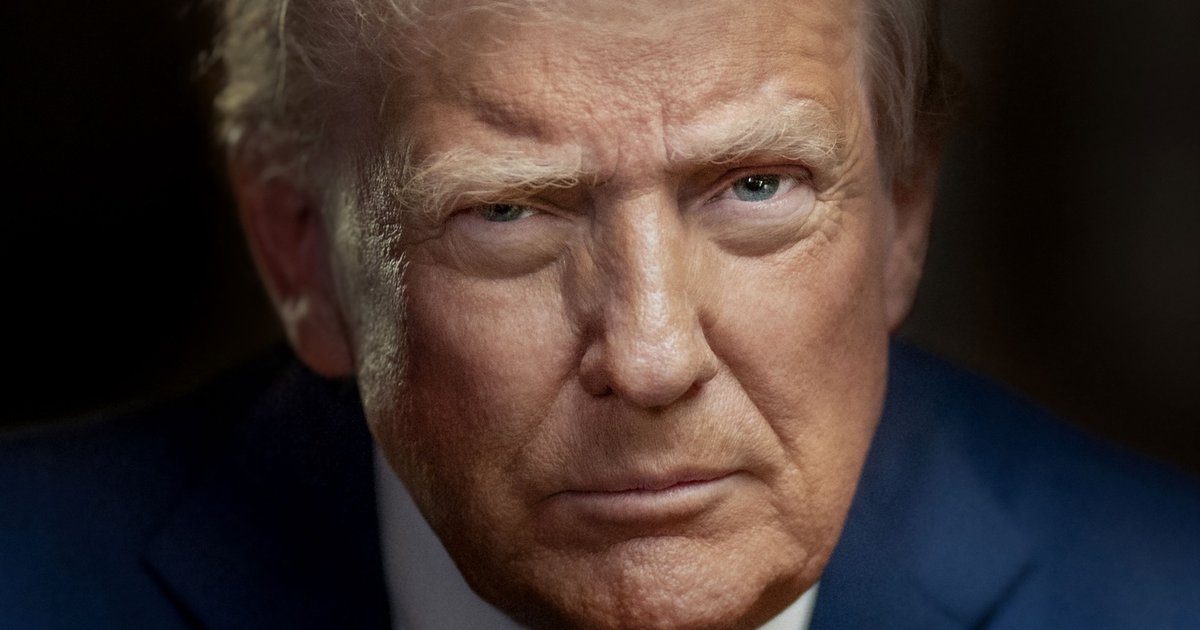
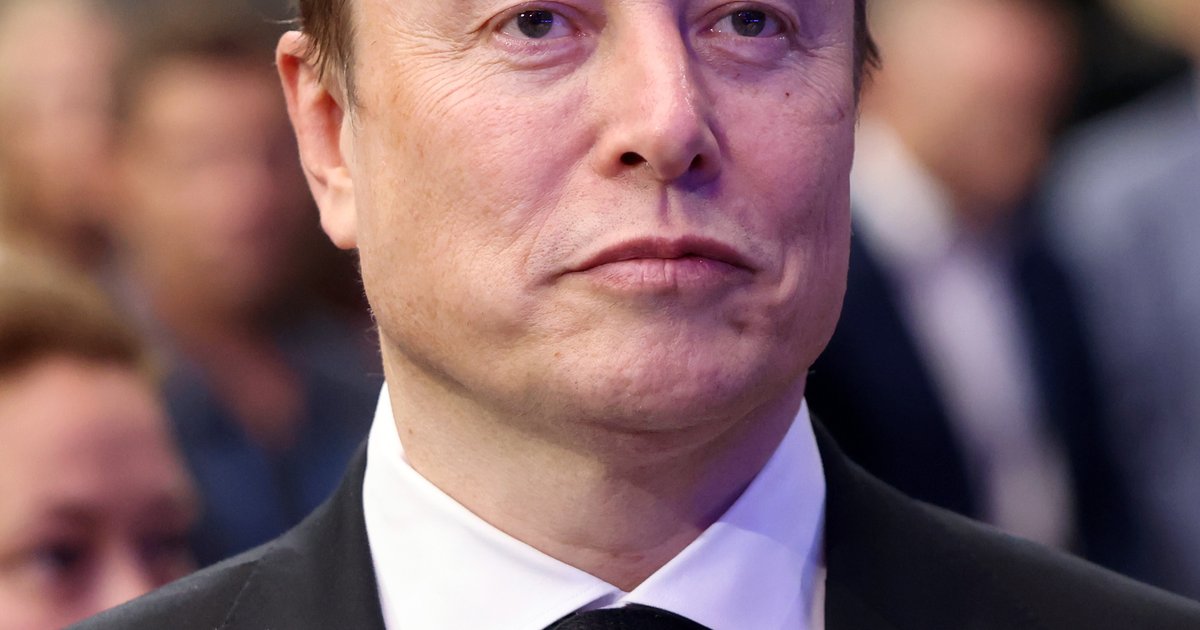
The Trump administration has simultaneously charged Raúl Castro for a 1996 aircraft shootdown, advanced final-stage negotiations with Iran, and backed SpaceX's public offering. The three moves—separated by geography and instrument—reveal a coherent doctrine: reasserting US authority over adversaries, capital markets, and orbital infrastructure. Together they indicate a reshaping of US strategic posture that extends beyond traditional alliance management into unilateral assertion.
The Castro indictment, formally filed on May 19, reopens a 30-year-old Cold War wound and signals Trump's willingness to prosecute historical grievances as current policy. The move targets a deceased defendant's legacy—Raúl Castro died in 1996 months after the aircraft incident—making the charge primarily a jurisdictional statement rather than a practical enforcement action. According to Reuters, the indictment frames the shootdown as a murder charge eligible for US prosecution under extraterritorial authority. The Caribbean escalation widens Trump's enforcement reach into historical incidents, a posture that allies from London to Brussels have begun to view with caution as it constrains diplomatic off-ramps.
In parallel, Trump has signaled Iran nuclear talks are in final stages, with Nikkei Asia reporting on May 19 that oil markets responded with crude prices falling below $100 per barrel. The Senate simultaneously voted to limit Trump's unilateral war powers, constraining his ability to escalate without legislative approval. The dual movement—negotiation plus constraint—suggests Trump is accepting a narrower strategic corridor on Iran than his first administration pursued. For its part, Trump has framed the Iran outreach as a victory for dealmaking, maintaining that stronger constraints now will produce durable outcomes.
SpaceX's formal IPO filing anchors the third pillar: capital concentration in aerospace and AI infrastructure. Goldman Sachs and General Electric are backing the offering, which positions orbital refueling, lunar missions, and satellite-based compute architecture as core US strategic assets. Bloomberg reported the filing on May 18, noting Musk's explicit strategy to integrate space and AI capability into a unified corporate structure. The public market access accelerates capital consolidation in a sector Trump views as essential to technological dominance over China and Russia.
The three moves converge on a single doctrine: the United States is reasserting unilateral authority—through prosecutorial reach into the past, negotiating from strength in the present, and securing capital and technological advantage in future domains. The Castro charge reopens historical leverage; Iran talks demonstrate willingness to negotiate but within parameters Trump controls; SpaceX's listing ensures US orbital and AI infrastructure remains within aligned corporate hands rather than diffusing to foreign capital. Allies note the pattern with some alarm. UK fiscal relief and European energy consolidation (NextEra's $67 billion Dominion acquisition) suggest allies are absorbing pressure to realign their own capital around US-friendly infrastructure, signaling a shift from NATO-led to capital-led coordination.
What distinguishes this moment from Trump's first administration is tempo and simultaneity. Historical prosecution, active diplomacy, and capital mobilization are not new tools individually. Executing them in lockstep—across Americas, Middle East, and space—signals that US strategic doctrine is no longer regional or issue-specific but holistic. The market reaction (European and Asian indices surging 1.4–3% on May 19) reflects confidence in US capital management and reduced anxiety about trade escalation in the immediate term. However, the Senate constraint on war powers and international labor resistance to US-Israel AI weaponization suggest institutional pushback is emerging against the speed of this repositioning.