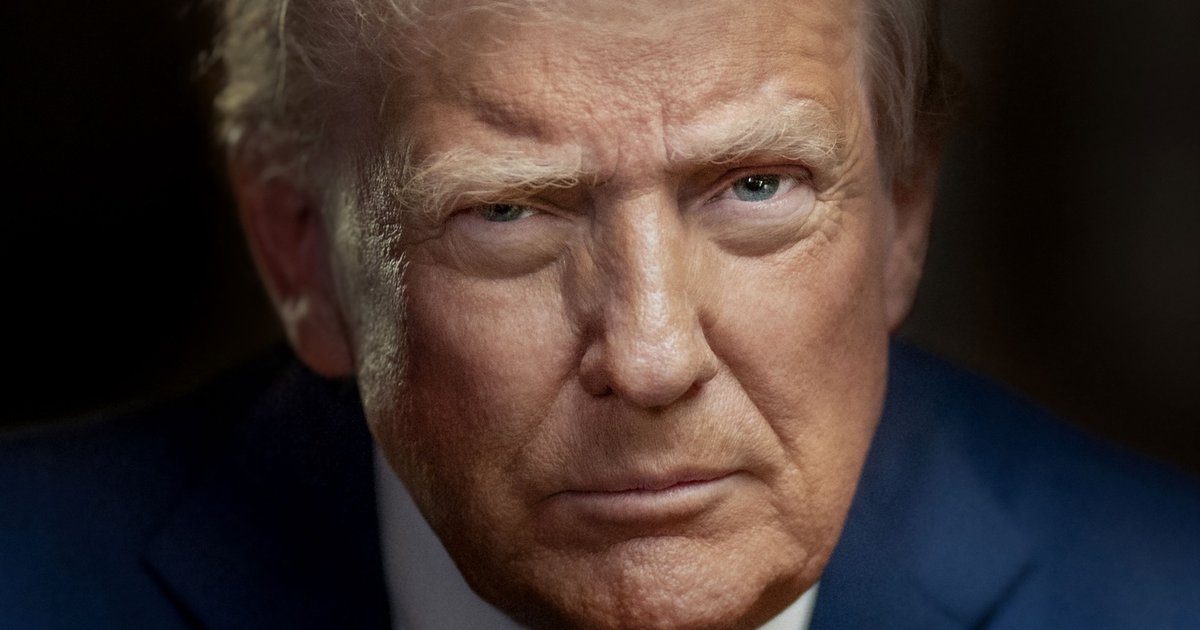
President Trump cancelled a planned strike against Iran on Sunday at the request of Gulf allies, according to reporting by CNBC, even as his administration moved to ease sanctions on Tehran in a bid to stabilize global energy markets. The dual move—military restraint paired with economic relief—reflects a narrowing of US negotiating leverage in the Middle East at a moment when Israeli-Hezbollah fighting persists despite ceasefire declarations and Russia stages nuclear drills alongside Belarus. Oil prices fell 5 percent on the cancellation, but the underlying crisis deepens.
The decision to shelve the strike marks a retreat from the administration's prior escalation stance, one that hinged on pressure from Saudi Arabia and other regional partners who fear wider conflict would destabilize their own economies. Nikkei Asia reported on May 16 that Gulf states explicitly requested the US hold fire, citing concerns over supply-chain rupture and the risk of Iranian retaliation against petroleum infrastructure. The cancellation signals that Trump's regional allies now view military action as economically counterproductive—a calculation that fundamentally alters US deterrence credibility in the region.
Separately, Treasury Secretary Janet Yellen announced on Monday that sanctions waivers targeting Iran's energy sector would be expanded to permit limited crude flows to international markets. According to Bloomberg reporting, the move aims to ease the geopolitical risk premium embedded in oil pricing, which has kept Brent above historical averages for six weeks. Yellen framed the relief as a stabilization measure rather than a policy shift, emphasizing the administration's focus on inflation management. The distinction matters: it suggests the White House sees economic durability as the primary strategic constraint on Middle East policy.
To be sure, Trump officials maintain the cancellation reflects operational discretion rather than diminished resolve toward Iran, citing the strategic value of restraint in a crowded theater. But the simultaneity of military stand-down and sanctions relief creates an opening that Tehran may exploit. Iran's state media quoted Foreign Minister Abbas Araghchi as saying the moves represent "acknowledgement of failed pressure campaigns," framing the shift as vindication of Tehran's defiance. Whether that narrative hardens into a durable strategic advantage depends on whether the sanctions waivers succeed in pulling oil prices lower—and whether Israel's continued strikes against Hezbollah in Lebanon force the US back toward escalation.
The broader strategic implication is that US leverage has narrowed significantly in 72 hours. A week ago, Trump held the threat of military action and a sanctions regime. Today, he has ceded the former and partially unwound the latter, receiving no visible Iranian concession in return. Lebanon's President Joseph Aoun pledged diplomatic solutions to the Israeli-Hezbollah war, but Israeli forces have not paused operations. Russia and Belarus, meanwhile, conducted nuclear weapons drills on May 17 as a signal to NATO—a maneuver that would have drawn a sharper US response in a prior administration. The cumulative effect is a shifting regional balance that favors actors willing to absorb short-term economic pain for longer-term positioning.