European Union
INTELLIGENCE DOSSIER: EUROPEAN UNION
Classification: Senior Analyst Brief | 2026 Assessment
The European Union is a supranational political and economic union of 27 member states representing approximately 450 million people and the world's second-largest economy by nominal GDP. The EU currently functions as a coordinating mechanism for continental defense, economic policy, and diplomatic engagement, with executive power distributed across the European Commission, Council, and Parliament rather than concentrated in a single leader. As a geopolitical actor, the EU remains strategically significant due to its control of advanced industrial capacity, technological infrastructure, and collective soft power—though its influence has fragmented since 2024 amid energy volatility and renewed great power competition.
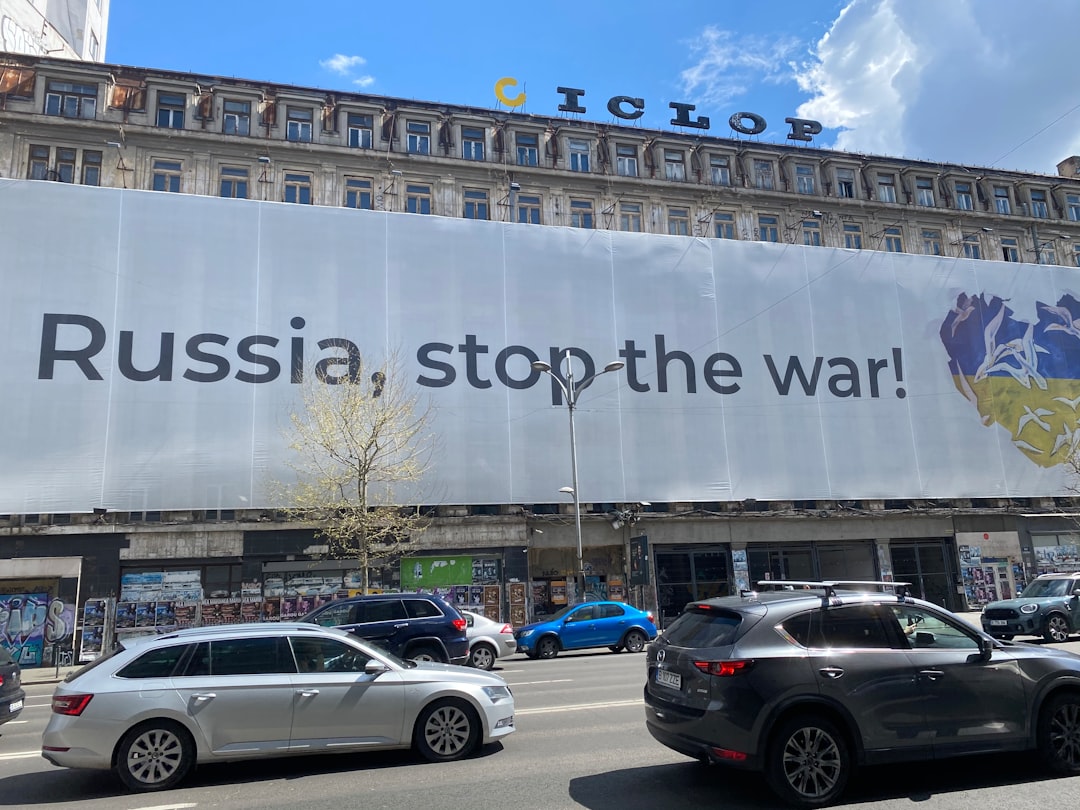
The European Union maintains rank 7 on the LeadersCartel Power Index with a stability score of 25.2, tracked across 2870 active intelligence sources. The signal distribution reveals 6 high-impact developments, 14 emerging indicators, and 0 watch-level alerts, placing the EU in monitored tier status. This positioning reflects stable but non-ascending influence; the EU's power derives primarily from economic integration and institutional coordination rather than military projection, and recent signals suggest institutional cohesion is holding despite external pressures from Russian aggression in Ukraine, Chinese technological competition, and the Trump administration's unpredictable transatlantic posture since January 2025.
Three critical developments emerged this assessment window. The EU announced €20 million defense support to Nigeria, signaling southward strategic pivot toward African security partnerships as Western Sahel instability threatens European interests. European diplomats suffered attacks by Israeli settlers in occupied territories, exposing diplomatic vulnerability and complicating EU-Israel relations amid ongoing Middle Eastern tensions. Winter energy reserves face acute pressure as gas stockpiles decline, reviving 2022-2023 crisis dynamics and potentially constraining industrial output and geopolitical assertiveness through Q1 2026.
Analysts should monitor two critical vectors over 48-72 hours. First, track whether EU institutional responses to Nigeria support reflect coordinated strategy or fragmented member-state action—cohesion indicators will signal resilience. Second, watch for formal EU statements on Israeli settler violence; any escalation toward sanctions or ICC referral would indicate hardened Brussels position counter to Trump administration Israel policy. TRIGGER EVENT: