South Korea
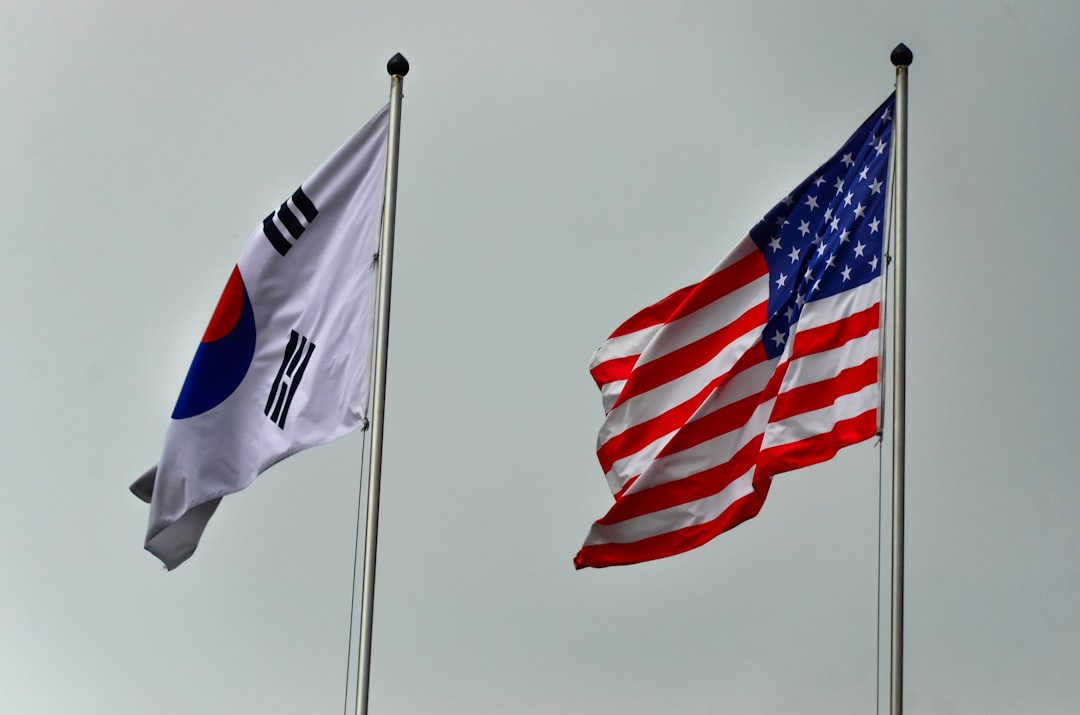
South Korea is a sovereign nation-state and the world's 13th largest economy, currently led by President Yoon Suk Yeol, functioning as a critical nexus of technological innovation and geopolitical tension on the Korean Peninsula. South Korea's strategic significance stems from its dominance in semiconductor manufacturing, its role as a technological counterweight to China, and its position as a linchpin in the US alliance structure in Northeast Asia. The nation serves as an economic and security anchor for American interests in the region while maintaining complex diplomatic relationships with neighboring powers including Japan, Russia, and China.
South Korea's LeadersCartel Power Index ranking of 48 with a score of 8.5 reflects stable but constrained influence, tracked across 2112 active intelligence sources with signal distribution prioritizing high-impact indicators (3H) alongside emerging developments (8E) and monitored watch-level activities (0W). The "monitored" tier classification indicates South Korea maintains consistent strategic relevance without acute volatility. This ranking captures Seoul's paradox: tremendous economic and technological power offset by demographic challenges, limited geographic scale, and structural dependence on alliance relationships with the United States and ongoing security threats from North Korea.
Current developments reveal multifaceted pressures. The semiconductor market signal suggests sustained demand continuity through 2026, underpinning South Korea's critical export economy and validating tech sector resilience. The unusual shark celebrity incident signals domestic cultural trends but carries minimal geopolitical weight. Most significantly, Japan's Yasukuni shrine offering by Minister Takaichi reflects persistent historical tensions affecting South Korea-Japan coordination, potentially complicating trilateral US alliance dynamics crucial for Indo-Pacific strategy.
Analysts should monitor South Korea-Japan bilateral friction over historical issues as a potential constraint on unified Northeast Asian positioning against rising Chinese assertiveness. The semiconductor demand trajectory warrants close tracking given South Korea's economic dependence on sustained chip exports. Watch specifically for any formal statements from Seoul regarding coordinated responses to North Korean military activity within the next 72 hours, which would indicate alliance cohesion levels with Washington under the Trump administration.