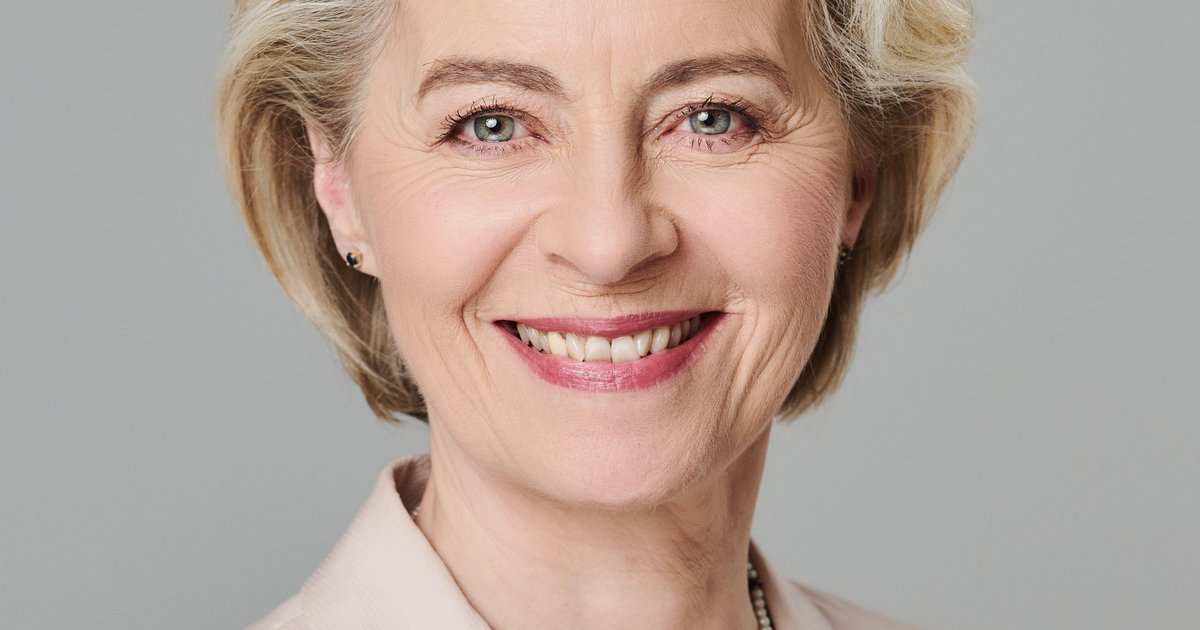
Ursula von der Leyen
INTELLIGENCE DOSSIER: URSULA VON DER LEYEN
Ursula von der Leyen is the President of the European Commission, the executive branch of the European Union, serving as the bloc's de facto chief executive since December 2019. She represents the EU's highest institutional authority in trade, regulatory, and strategic policy matters, wielding direct influence over 27 member states and 450 million citizens. Von der Leyen's significance stems from her control over EU competition policy, trade negotiations, and regulatory frameworks that shape global commerce. Her current standing reflects a leader navigating simultaneous pressures from Trump's protectionist stance, China's economic assertiveness, and internal EU fractures over migration and fiscal policy. She functions as the primary counterbalance to American and Chinese strategic initiatives in the Western geopolitical sphere.
Von der Leyen maintains a monitored tier ranking at position 110 on the LeadersCartel Power Index with a normalized score of 3.7, tracked across 926 active intelligence sources. Her signal distribution (1H/3E/0W) indicates declining momentum: one high-impact signal versus three emerging indicators and no watch-level escalations. This pattern suggests her institutional power remains stable but her directional influence is moderating—consistent with EU consensus-building constraints rather than personal authority erosion. The eight-day signal decay (sd=8) reflects sustained but not intensifying media and policy focus.
Three concurrent developments demand immediate attention. Spain's migration policy clash signals internal EU cohesion fracturing under von der Leyen's watch, undermining her authority to harmonize member-state behavior. The EU-Canada associate membership initiative represents her strategic hedging against Trump's trade barriers and potential NATO withdrawal. Most critically, the EU's adoption of a trade "kill switch" mechanism paired with surging Chinese export volumes indicates von der Leyen is positioning the bloc for escalatory trade measures while China consolidates market share—a consequential repositioning of transatlantic economic decoupling.
Monitor von der Leyen's response to Trump's tariff or trade policy announcements over the next 72 hours. Watch for any emergency EU Council convocation; such a move would signal she has lost confidence in consensus-building and perceives immediate systemic threat. The critical trigger: whether the EU formally activates its