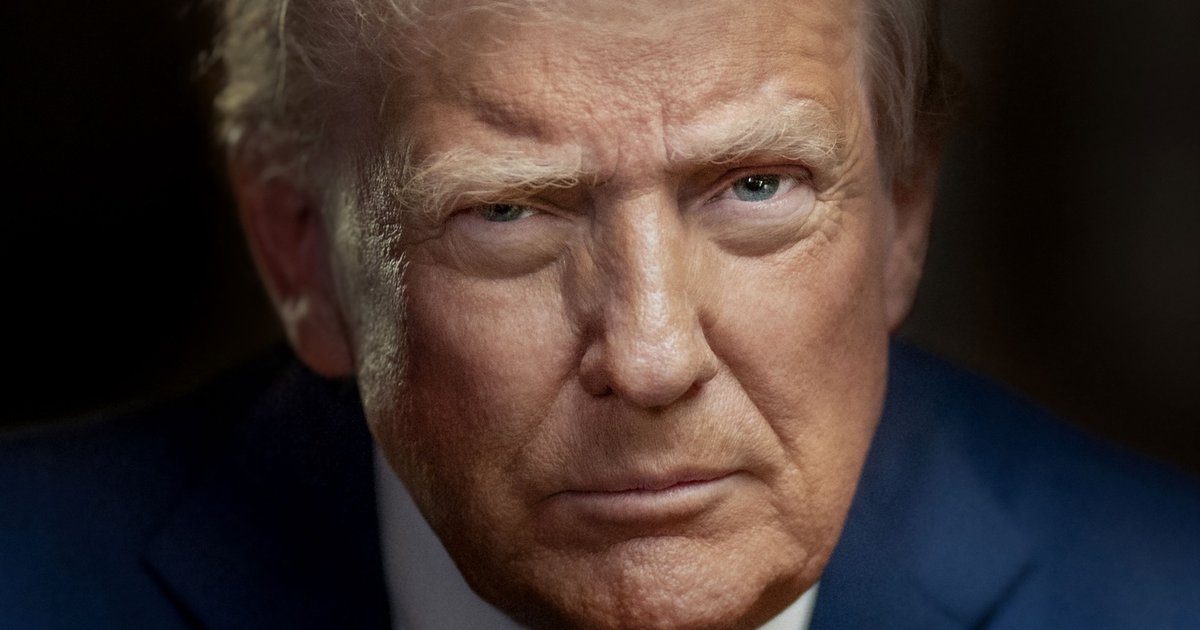
Kevin Warsh formally took office as Federal Reserve chair on May 12, inaugurating a Trump-aligned central banking era after a contentious confirmation process. The appointment signals a shift toward closer executive-legislative coordination on rate policy, marking a departure from decades of Fed independence doctrine. The timing coincides with Senate Republican resistance to Trump's Iran restrictions and broader White House pressure on monetary autonomy across key allies.
Warsh's leadership transition occurs as the Trump administration tightens pressure on central banking independence globally. According to reporting by the Financial Times on May 11, the White House had signaled its preference for rate flexibility aligned with fiscal priorities, a position previously resisted by Fed leadership under Jerome Powell. Warsh's statements during confirmation hearings acknowledged the need for closer policy coordination with Treasury, a notable shift from prior Fed chair testimony. The change suggests potential alignment on monetary easing timelines, particularly if fiscal stimulus accelerates.
The structural shift extends beyond US borders. Nikkei Asia reported on May 12 that allied central banks—including those in India and South Korea—are facing comparable pressure to prioritize growth-friendly rate cuts over inflation concerns. India's rupee collapse and Modi administration fuel austerity measures indicate capital flight concerns tied to uncertainty over rate-setting autonomy. The Indian PM's decision to reduce motorcade size reflects broader fiscal constraints that monetary tightness has deepened, signaling that US Fed independence loss ripples through emerging-market credibility.
To be sure, Warsh has emphasized the Fed's statutory mandate to maintain price stability and financial system resilience, positions consistent with prior Fed leadership. Yet his appointment follows Trump's stated view that the Fed has constrained economic growth, and reporting by Bloomberg indicates the White House intends to use Treasury coordination and personnel leverage to influence rate decisions. This framing—where monetary policy becomes a tool of administration economic strategy rather than an independent counterweight—shifts the balance of institutional power at the global monetary center.
The immediate strategic consequence is narrowed Fed discretion in responding to external shocks. Energy markets are pricing geopolitical risk differently now: a US Hormuz blockade or Iranian escalation would previously prompt Fed rate protection for growth. Instead, markets must now weigh whether Warsh-era monetary policy responds to inflation or to White House recession-avoidance preferences. The decision to confirm Warsh, despite seven Senate Republican defections on Iran restrictions, reveals fracturing GOP consensus on how much executive authority over monetary policy should consolidate. This institutional recalibration—moving from separation of powers to closer coordination—favors executive privilege over central bank autonomy, reducing a historical brake on inflationary fiscal cycles.