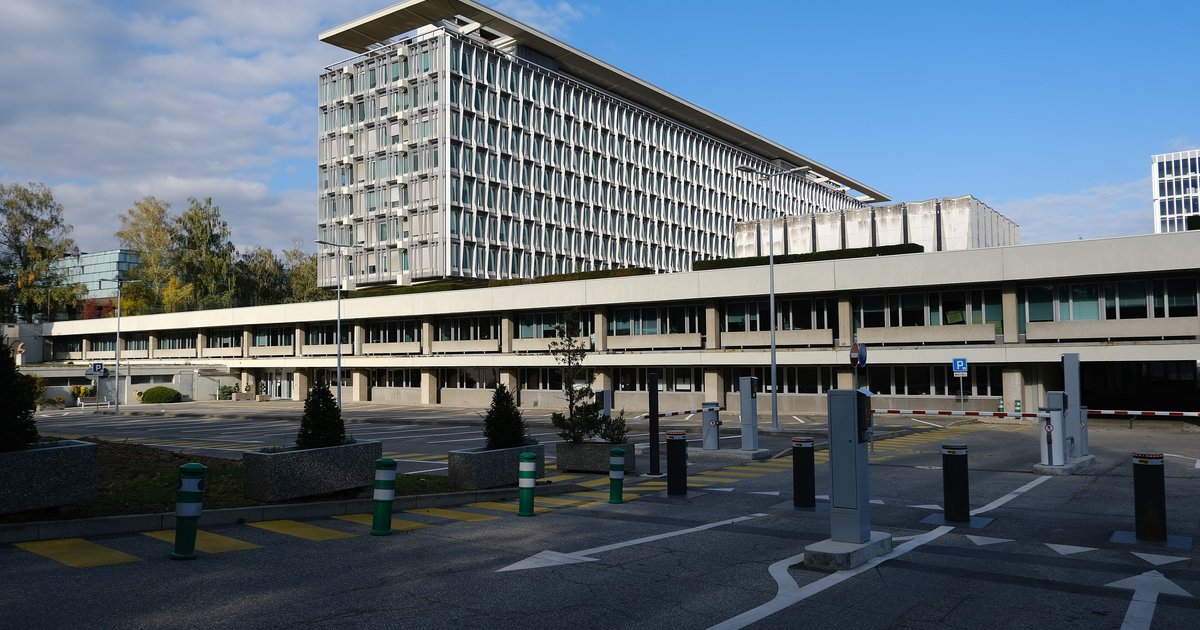
World Health Organization
# INTELLIGENCE DOSSIER: WORLD HEALTH ORGANIZATION
**CLASSIFICATION: SENIOR ANALYST BRIEF**
The World Health Organization is a specialized agency of the United Nations directing and coordinating international public health policy across 194 member states. As the primary global authority on disease surveillance, pandemic preparedness, and health emergency response, WHO functions as the de facto international health governance body with mandate spanning epidemic control, vaccine distribution protocols, and cross-border health diplomacy. Their strategic significance derives from unilateral authority to declare Public Health Emergencies of International Concern, influence pharmaceutical supply chains, and shape health policy in developing nations across Africa, Asia, and South Asia where institutional capacity remains limited.
WHO currently ranks 90th on the LeadersCartel Power Index with a monitored-tier score of 4.8, tracked across 111 active intelligence sources displaying a 2H/2E/0W signal distribution. The organization maintains stable positioning within the monitored tier, indicating sustained but non-escalating influence. Two high-impact signals and two emerging signals suggest WHO's power remains concentrated in established health governance frameworks without breakthrough momentum. The absence of watch-level alerts indicates no imminent institutional disruption, though the moderate rank reflects constrained autonomous decision-making authority relative to state actors and multinational health initiatives.
Three critical developments emerged this reporting cycle. WHO issued projections that shisha smoking will generate 1 million new lung cancer cases globally by 2050, establishing non-communicable disease trajectory as strategic priority. Simultaneously, WHO escalated Ebola readiness protocols across 22 countries spanning three continents—indicating sustained pandemic threat assessment in linked zones including Democratic Republic of Congo, Nigeria, and Uganda. Additionally, WHO identified lead exposure as causing 3.5 million annual deaths, quantifying environmental health urgency requiring coordinated national intervention.
Analysts should monitor WHO's resource mobilization capacity over 48-72 hours, particularly funding commitments from Trump administration (historically variable on multilateral health spending) and coordination responses from Modi's India and African health ministers. Watch trigger: any formal WHO emergency declaration would elevate institutional rank and trigger coordinated international health mobilization, fundamentally altering geopolitical response architectures.