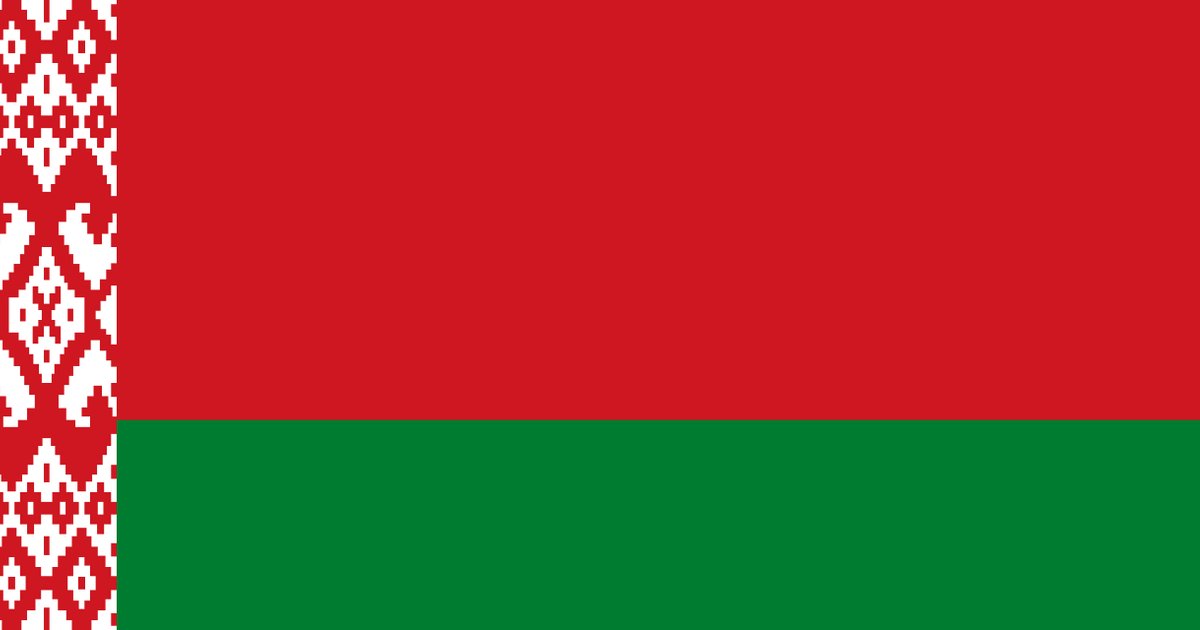
Belarus
BELARUS INTELLIGENCE DOSSIER
Belarus is a post-Soviet nation-state currently led by Alexander Lukashenko, serving as a critical geopolitical buffer and contested sphere of influence between Russia and the Western bloc. Despite its modest 9.4 million population and limited economic output, Belarus holds disproportionate strategic weight as the geographic nexus of European-Russian relations, hosting Russian military infrastructure and serving as a transit corridor for energy supplies and potential conflict spillover. Lukashenko's regime maintains this precarious balancing act through strategic ambiguity, formal EAU membership with Russia, and calculated diplomatic positioning that preserves sovereign space while avoiding direct NATO confrontation.
Belarus currently registers at rank 137 on the LeadersCartel Power Index with a score of 3.2, tracked across 202 active intelligence sources. The monitored tier classification reflects one high-impact signal, one emerging signal, and zero watch-level signals, indicating stabilized but constrained influence projection. This positioning reflects Lukashenko's deliberate limitation to regional theater operations rather than global power ambitions. The score suggests declining relative influence compared to broader geopolitical volatility, driven primarily by dependency on Russian patronage and Western sanctions pressure limiting autonomous economic maneuvering.
Recent signals indicate intensified regional positioning. Lukashenko's public statements regarding Ukrainian settlement timelines directly challenge current US policy under President Trump, signaling potential diplomatic friction despite Trump administration's stated openness to Russia negotiations. Simultaneous announcements concerning Belarusian territorial defense force inspections suggest military posturing ahead of potential escalation scenarios. The OpEd focus on Central Asian economic integration signals attempts to diversify EAU dependency through secondary regional relationships, reducing singular reliance on Moscow's strategic decisions.
Analysts should monitor the next 72 hours for clarification on Trump administration engagement protocols with Belarus. The critical trigger event is whether direct US-Belarus diplomatic contact occurs outside Russian mediation channels, which would fundamentally alter Lukashenko's strategic positioning and potentially signal Washington's willingness to peel Belarus from exclusive Russian orbit.