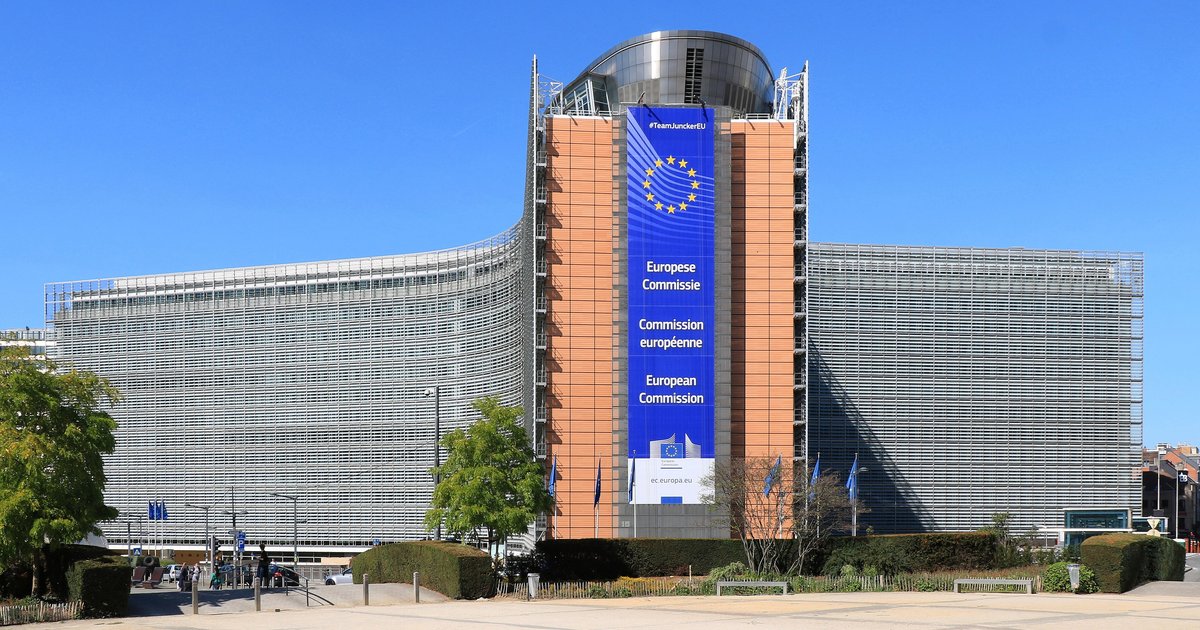
European Commission
EUROPEAN COMMISSION INTELLIGENCE DOSSIER
The European Commission is the executive branch of the European Union, comprising 27 member states and headquartered in Brussels, with current President Ursula von der Leyen leading the institution that functions as the EU's primary policy-making and enforcement body. The Commission's strategic significance derives from its control over EU regulatory frameworks, budget allocation, and enforcement mechanisms affecting over 450 million citizens across the bloc. As the de facto administrative backbone of the world's largest single market by GDP, the Commission directly influences global trade policy, climate initiatives, and digital governance standards that multinational corporations and rival powers must navigate. Its authority extends to competition law, antitrust enforcement, and the structural direction of European integration itself.
On the LeadersCartel Power Index, the European Commission maintains position #170 with a score of 2.2, indicating moderate institutional presence tracked across 101 intelligence sources. The signal distribution pattern of 1H/1E/0W reveals one high-impact signal and one emerging-tier development with no active watch-level concerns currently flagged. This positioning suggests the Commission operates within expected parameters for a supranational bureaucracy, though the single high-impact signal indicates recent developments warrant elevated monitoring. The monitored tier classification reflects routine tracking rather than crisis-level attention, consistent with the institution's regulatory continuity.
Three critical developments emerged this cycle. First, five EU member states have launched coordinated pushback against the Commission's electric grid modernization plans, signaling fracturing consensus on the Commission's green transition timeline and threatening implementation of the European Green Deal infrastructure. Second, analysis indicates the EU's forthcoming budget cycle may substantially reduce funding allocated to civil society and NGOs, suggesting the Commission is recalibrating political support mechanisms ahead of anticipated institutional resistance. Third, a Commission-level statement characterized LGBTQI+ conversion therapy as torture-equivalent barbarism, reflecting hardline positions on human rights enforcement that will generate friction with Hungary and potentially Poland on judicial independence grounds.
Analysts should monitor the next 72 hours for formal member state budget counterproposals and any formal Hungarian or Polish response to the conversion therapy statement, which carries secondary leverage implications for rule-of-law conditionality disputes. The electric grid coalition warrants tracking for expansion to additional states, particularly across Central Europe where energy sovereignty concerns intersect with geopolit