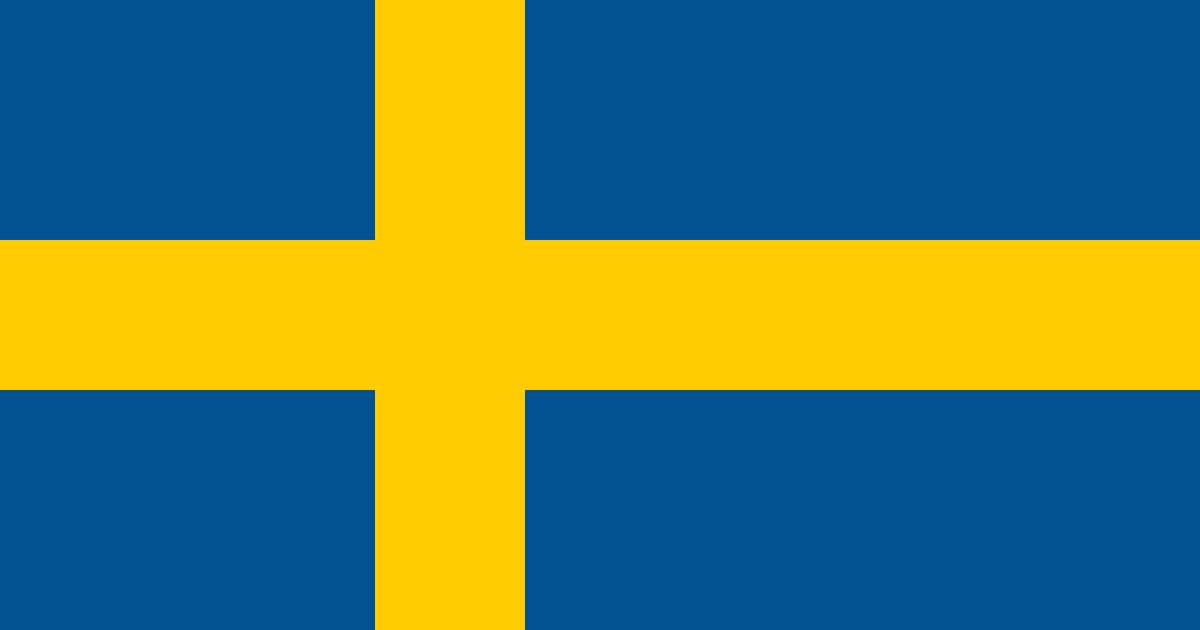
Sweden
SWEDEN INTELLIGENCE DOSSIER
Sweden is a Nordic nation-state and established European Union member whose strategic significance derives from its geographic position, advanced technological infrastructure, and NATO membership status as of 2024. As a high-income democracy with substantial soft power, Sweden functions as a critical balancing actor within European geopolitics, particularly regarding Russia containment and EU institutional dynamics. Their Nordic model of governance and economic stability positions them as a stabilizing force in regional security architecture, though their evolving defense posture reflects broader NATO integration pressures following Russian aggression in Ukraine.
Sweden's LeadersCartel Power Index ranking of 89 with a composite score of 4.8 reflects monitored-tier status across 81 intelligence sources, indicating moderate but fluctuating geopolitical relevance. The signal distribution pattern of zero high-impact, six emerging, and zero watch-level indicators suggests Sweden maintains steady-state positioning without dramatic power trajectory shifts. This tier classification aligns with their EU member status without permanent Security Council seat—substantive but not apex-tier global influence. The stable positioning masks underlying tensions between traditional neutrality posture and accelerating NATO commitments.
Three concurrent developments warrant analyst attention. First, a "phantom farter" incident at EU summits, while superficially trivial, signals internal EU institutional friction and messaging control challenges affecting Swedish diplomatic positioning within Brussels caucusing. Second, a Norwegian teenager's conviction for plotting UK murder implicates Nordic security gaps and transnational radicalization pathways affecting Scandinavian threat assessment. Third, Russian asset seizures targeting EU company holdings directly escalate economic pressure on Sweden, a major European business hub, with direct consequences for sanctions compliance and corporate vulnerabilities.
Monitor the next 72 hours for Swedish government statements regarding Russian asset seizures and any corresponding capital controls announcements. The critical trigger event is whether Sweden coordinates joint EU financial countermeasures or pursues unilateral protective measures—the former indicates cohesive EU positioning while the latter signals fracturing consensus that could reshape Nordic-EU strategic alignment.