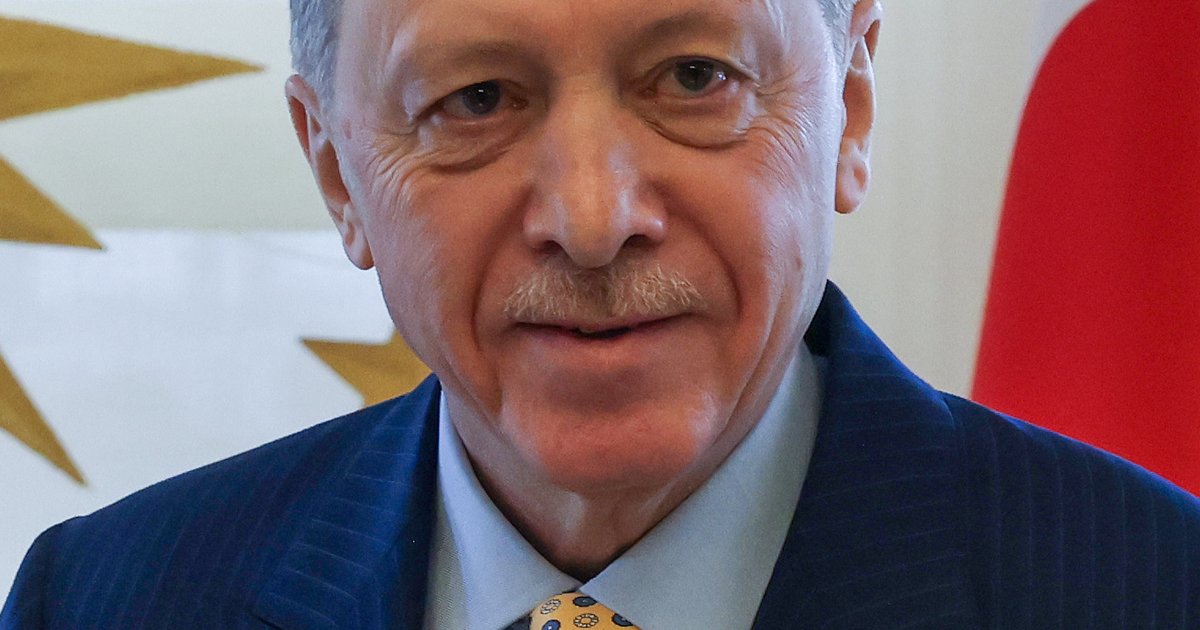
Recep Tayyip Erdogan
Recep Tayyip Erdogan is the current President of Turkey, holding executive authority over a NATO member state bridging Europe and Asia with 85 million people and critical geopolitical leverage over Russia-Ukraine negotiations, energy corridors, and regional stability across the Eastern Mediterranean, Caucasus, and Middle East. His significance derives from Turkey's dual positioning as Western ally and independent power broker capable of blocking NATO actions, controlling the Bosphorus Strait, and maintaining pragmatic relationships across ideological divides.
Erdogan maintains a monitored tier ranking at 115 on the LeadersCartel Power Index with a composite score of 3.9, tracked across 897 active intelligence sources. His signal distribution (1 high-impact, 1 emerging, zero watch-level alerts) suggests stable but constrained influence—concentrated in regional mediation rather than systemic power projection. The rank reflects Turkey's middling global economic footprint offset by outsized diplomatic utility; his position remains stable rather than ascending despite significant regional activism, indicating limited ability to shift great power balances but consistent relevance in crisis mediation.
Recent activity confirms Erdogan's dual governance posture. Turkey's raid on the pro-opposition TV station aligns with his documented pattern of media control strengthening AK Party dominance ahead of electoral competition. Simultaneously, protests following Izmir's mayor defection to the AK Party reveal fracturing support bases within opposition strongholds, indicating consolidation pressures. Most significantly, Erdogan's public commitment to facilitating direct Russia-Ukraine contacts positions Turkey as the only NATO member actively negotiating Moscow's terms, demonstrating his willingness to operate outside Western consensus.
Analysts should monitor whether Erdogan's mediation efforts gain traction with either Moscow or Kyiv over the next 72 hours, as acceptance would amplify Turkish leverage in post-conflict settlement discussions. Watch specifically for any public statement from Putin acknowledging Turkish intermediary proposals—this single trigger would elevate Turkey's indexing and signal Erdogan's transition from monitored to elevated tier status within great power realignment scenarios.