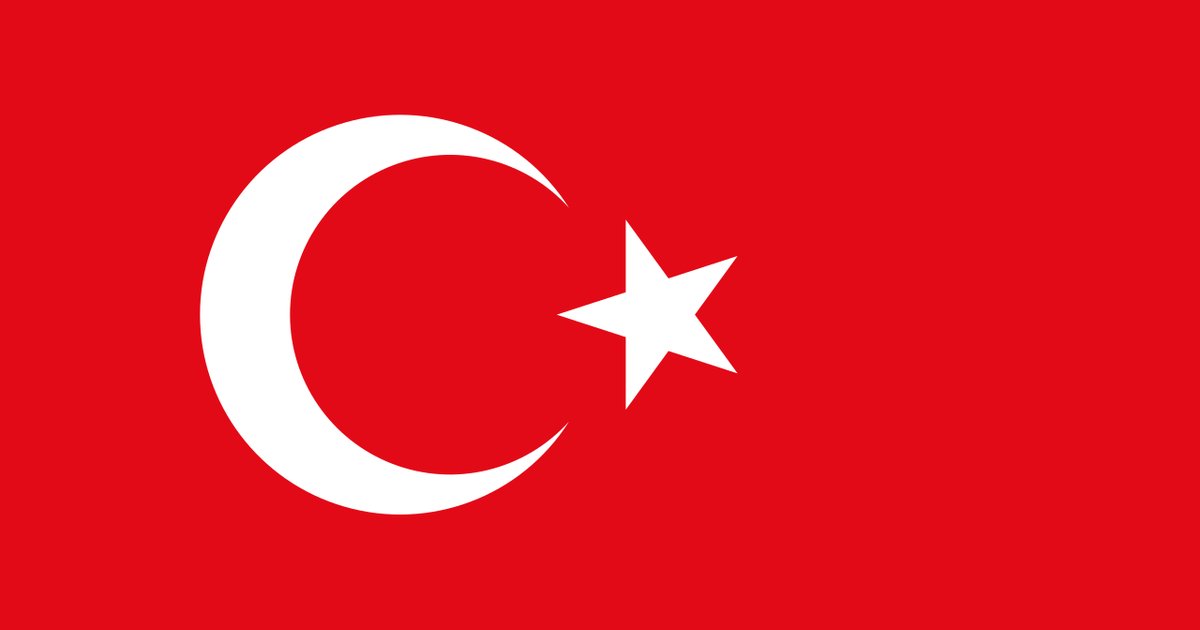
Turkey
INTELLIGENCE DOSSIER: TURKEY (RANK 28, SCORE 13.6)
Turkey is a NATO member state and transcontinental power bridging Europe and Asia, currently led by President Recep Tayyip Erdoğan. As a regional hegemon controlling the strategic Bosphorus Strait, Turkey holds disproportionate leverage over energy flows, refugee management, and Eastern Mediterranean geopolitics. Its significance stems from geographic positioning between Russian, Iranian, and Western spheres of influence, making Turkish foreign policy decisions consequential across multiple theaters simultaneously.
Turkey's LeadersCartel Power Index ranking of 28 with a score of 13.6 reflects moderate but constrained influence, tracked across 2,112 intelligence sources with a three high-impact, fourteen emerging, and zero watch-tier signal distribution. This positioning indicates Turkey operates in a stabilized but monitored band—neither ascending nor declining sharply. The predominance of emerging signals (14E tier) suggests Turkey remains reactive to external pressures rather than setting agenda. Its stable ranking despite regional turbulence indicates the nation has achieved equilibrium between competing interests: NATO obligations, Iranian negotiations, and strategic autonomy.
Three critical developments emerged this week: diplomatic window closure with Iran as Trump administration threatens escalation ("Pickaxe M" signal), direct US senatorial accusations of Turkish "thuggish behavior" toward Greece and Cyprus over maritime and minority rights disputes, and domestic narrative management around Iheanacho's historical achievement in Turkish leagues. The first signal indicates erosion of Ankara's balancing act; the second reflects NATO alliance strain over Eastern Mediterranean disputes; the third suggests internal focus on soft power rehabilitation amid external criticism.
Analysts should monitor Turkish-US military coordination over the next 72 hours, particularly regarding Syria and Kurdish forces. Watch for Erdoğan's response to senatorial pressure—whether Turkey pivots toward Russia-China axis (linked entities show heavy weighting toward Iran, Saudi Arabia, Pakistan) or reasserts NATO commitment. Trigger event: any Turkish-Greek military incident in the Aegean would accelerate Turkey's rank volatility and force immediate NATO response protocols.