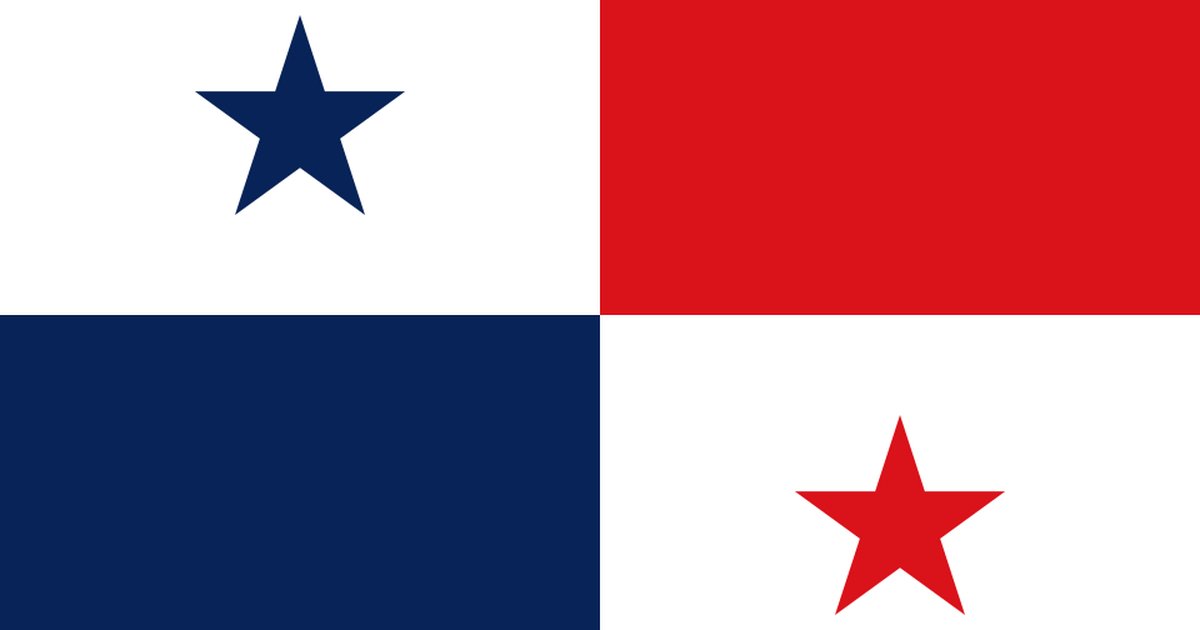
Panama
INTELLIGENCE DOSSIER: PANAMA
Classification: Strategic Monitor
Panama is a Central American nation serving as the critical chokepoint for global maritime commerce through the Panama Canal, controlling approximately five percent of worldwide shipping traffic. As a financial hub with dollarized economy and strategic geopolitical positioning between North and South America, Panama maintains outsized influence disproportionate to its population of 4.4 million. The nation's stability directly impacts US trade flows, regional drug trafficking patterns, and Chinese strategic positioning in the Western Hemisphere—making it perpetually relevant to US national security calculations under the Trump administration's heightened focus on American strategic interests.
Panama currently ranks 152 on the LeadersCartel Power Index with a composite score of 2.9, indicating moderate geopolitical weight tracked across 1022 distinct intelligence sources. The signal distribution reflects one high-impact signal, one emerging indicator, and zero watch-level alerts (1H/1E/0W architecture), suggesting Panama operates within expected parameters but lacks dominance. This "monitored" tier classification indicates the nation remains stable without acute crisis indicators, though positioned below major regional powers. The ranking reflects Panama's structural constraints: limited military capacity, economic vulnerability to external shocks, and dependence on US security guarantees and transit revenues.
Recent developments center on financial infrastructure evolution. Bladex's planned bond issuance in Mexico signals capital market integration across the region and potential currency stability concerns. Simultaneously, elevated US Army operational presence in Panama—reported across multiple sourcing channels this week—reflects Washington's renewed emphasis on hemispheric security under Trump's administration. These dual signals indicate Panama is experiencing both financial sector activity and increased American military-to-military engagement, suggesting coordination around regional threats likely related to narcotics trafficking and Chinese commercial interests in canal operations.
Analysts should monitor three indicators over the next 72 hours: any statements from Panama's government regarding US military presence or canal operations; financial flows through Bladex indicating regional confidence levels; and signals regarding Chinese investment in port operations adjacent to the Canal Zone. The critical trigger event to watch is whether Trump administration officials issue public directives regarding canal control or sovereignty, which would substantially elevate Panama's LeadersCartel ranking and create acute volatility.