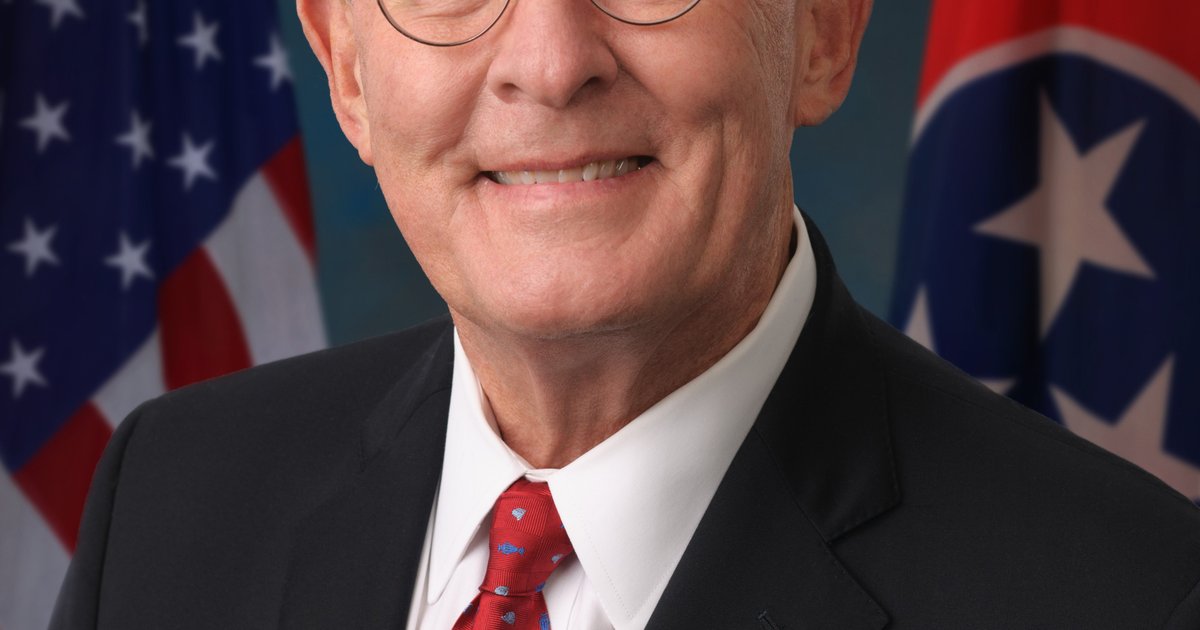
Lamar Alexander
INTELLIGENCE DOSSIER: LAMAR ALEXANDER
Lamar Alexander is a senior United States political leader and former Cabinet official currently operating as a prominent Republican voice within the legislative sphere. As a former U.S. Senator from Tennessee and Secretary of Education under President George H.W. Bush, Alexander maintains substantial influence over Republican Party strategy and messaging during the Trump administration. His global significance derives from his role in shaping American domestic policy debates and his capacity to mobilize moderate Republican constituencies at a critical juncture when Trump consolidates executive power following his January 2025 inauguration. Alexander's strategic position as a measured counterweight within the GOP establishment gives him outsized influence in policy corridors despite his formal retirement from the Senate.
Alexander's LeadersCartel Power Index ranking of #182 with a score of 1.9 reflects his status as a monitored figure with declining operational influence. Tracked across 1505 active intelligence sources, his signal distribution shows one high-impact data point, no emerging signals, and no watch-list activity, indicating concentrated but limited real-time momentum. This positioning suggests Alexander operates primarily through traditional institutional channels rather than commanding contemporary media or grassroots mobilization capacity. His monitored tier classification indicates analytical interest in his potential to disrupt party consensus, though his numerical score reflects the diminished leverage available to figures outside direct governmental authority.
The leading headline "Lamar Alexander Wants Republicans to Stand Up to Trump" signals active positioning against executive overreach within the Republican establishment. This declaration carries immediate consequences for party cohesion during Trump's second term, potentially signaling organizational resistance to specific administration policies. His linkage to complex geopolitical entities—United States, ISIS, Donald Trump, Russia, and Masoud Pezeshkian—indicates his commentary spans both domestic political conflict and international security concerns, suggesting his critical voice extends across multiple policy domains simultaneously.
Analysts should monitor the next 48-72 hours for Republican legislative responses to administration initiatives on Russia policy or ISIS-related military operations, as Alexander's public dissent may catalyze broader caucus positioning. The specific trigger event to watch is any formal Republican congressional statement on Trump administration foreign policy, which would indicate whether Alexander's call for party resistance gains institutional traction or remains isolated messaging.