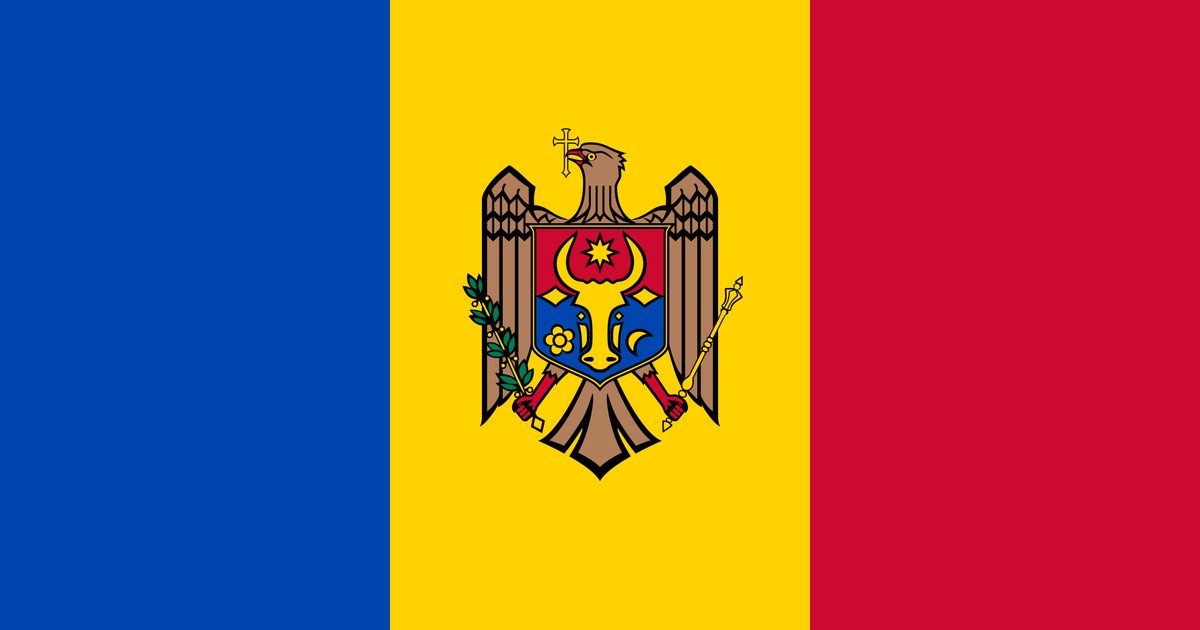
Moldova
MOLDOVA INTELLIGENCE DOSSIER
Moldova is a small Eastern European nation-state of 2.6 million people situated between Romania and Ukraine, currently led by pro-Western President Maia Sandu. Despite its modest population and GDP of roughly $17 billion, Moldova occupies disproportionate geopolitical significance as a contested sphere-of-influence battleground between NATO/EU expansion and Russian strategic interests. The country hosts a frozen conflict in Transnistria, a Russian-backed breakaway region, and serves as a critical corridor for energy security, refugee flows, and military logistics affecting broader European stability. Moldova's westward orientation under Sandu directly challenges Moscow's regional dominance and complicates Russia's ability to project power toward Central Europe.
Moldova currently ranks 148th on the LeadersCartel Power Index with a score of 2.9 out of 100, tracked across 903 active intelligence sources with signal distribution weighted toward one high-impact indicator and one emerging signal, indicating limited but growing geopolitical footprint. The monitored tier classification reflects stable but constrained influence capacity—Moldova lacks military-industrial capacity, energy independence, or demographic scale to independently shape regional outcomes. The six-day signal decay metric suggests moderate information volatility around specific incidents rather than sustained strategic momentum.
This week Moldova condemned Russia after five drones crashed on its territory, escalating attribution disputes over airspace violations amid ongoing Ukraine conflict spillover. Simultaneously, Moscow demanded Chisinau abandon what the Kremlin characterized as "Russophobic policy," signaling intensified pressure against Sandu's NATO alignment trajectory. Counter-balancing these tensions, the EU moved administratively to integrate Moldova, Ukraine, and Armenia into European union structures, accelerating institutional decoupling from Russian orbit.
Analysts should monitor Transnistria mobilization signals and Russian military activity along Moldova's eastern border over the next 72 hours. The critical trigger event to watch is whether Russia escalates drone incursions beyond current harassment levels, potentially justifying NATO intervention frameworks and forcing Trump administration clarity on Eastern European commitment thresholds.