Yoon Suk Yeol
INTELLIGENCE DOSSIER: YOON SUK YEOL
LeadersCartel Assessment | Classification: MONITORED
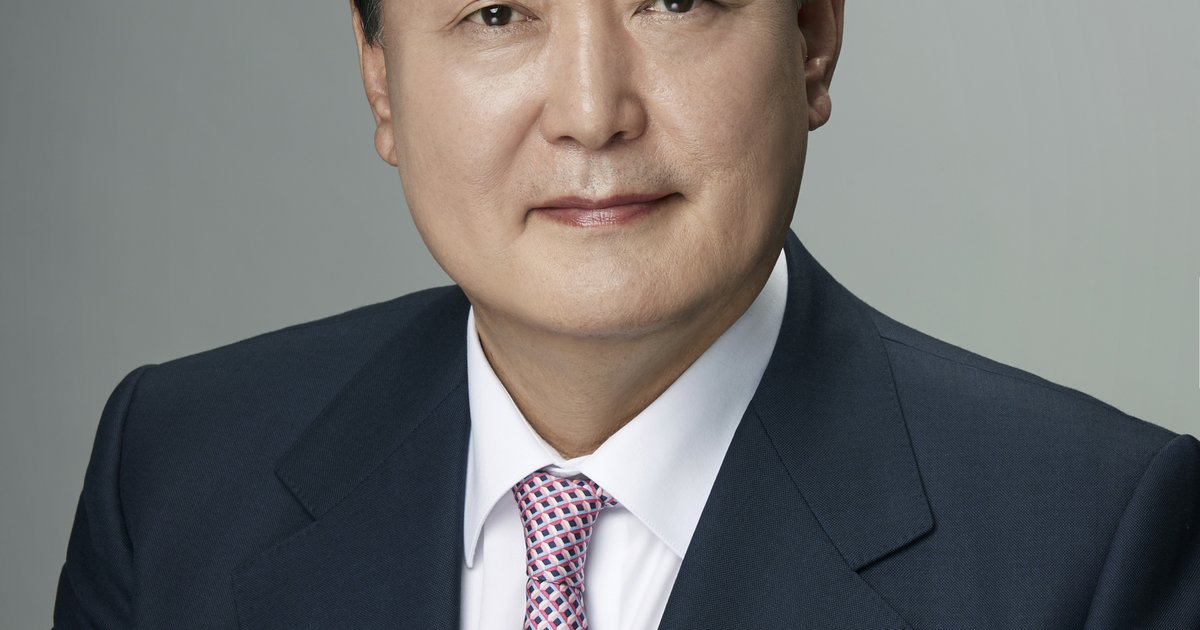
Yoon Suk Yeol is the former President of South Korea, currently serving a seven-year prison sentence following his December 2024 martial law declaration. Though no longer in executive office, his political status remains strategically significant as South Korea navigates leadership transition amid deepening US-China-Russia competition in the Indo-Pacific. His detention represents a critical stability inflection point for a nation hosting 28,500 US troops and functioning as a primary democratic counterweight to Beijing and Moscow in Northeast Asia.
Yoon ranks 150th on the LeadersCartel Power Index with a monitored-tier score of 2.5, tracked across 18 active intelligence sources. His declining trajectory reflects loss of executive authority, yet his persistent ranking signals continued geopolitical relevance tied to South Korea's strategic position rather than personal influence. The single emerging signal (1E designation) indicates evolving legal proceedings with downstream implications for Seoul's governance stability. The zero high-impact and zero watch signals suggest his current detention limits direct operational threat, though his case reverberates through allied coordination channels, particularly impacting US-Korea defense posture reassessment.
South Korea's Supreme Court upheld Yoon's seven-year prison sentence in the first martial law conviction, eliminating his primary legal pathway to release and solidifying his status as a confined former leader. This landmark ruling removes uncertainty around his potential presidential pardon or commutation, which had previously created diplomatic ambiguity. The court's decision reinforces rule-of-law precedent in a US-aligned democracy while simultaneously exposing institutional stress—political polarization remains acute, with opposition parties leveraging the conviction for electoral positioning ahead of 2027 elections.
Analysts should monitor whether Yoon's supporters mount additional appeals or impeachment countermeasures targeting incumbent leadership, as political weaponization of his case could destabilize alliance coordination with NATO and EU partners deeply invested in Korean stability. The critical 72-hour trigger event is any indication that Yoon's Democratic Party faction mobilizes mass mobilization campaigns that force Seoul to divert security resources from North Korea monitoring or US joint-operations readiness.