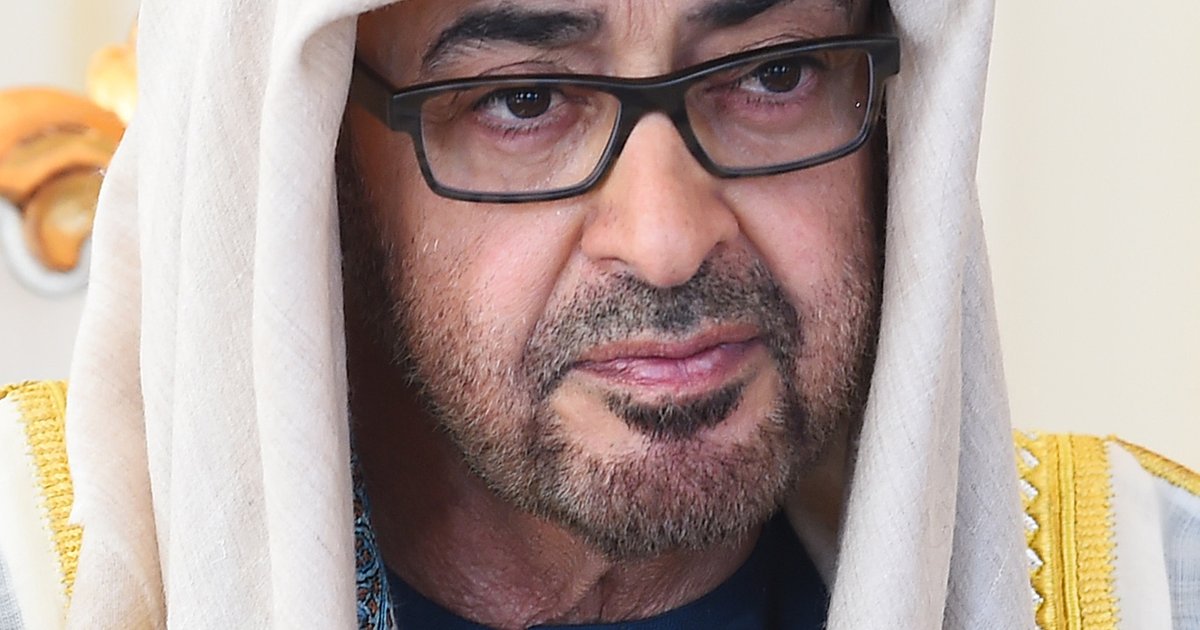
Mohammed bin Zayed Al Nahyan
INTELLIGENCE DOSSIER: MOHAMMED BIN ZAYED AL NAHYAN
Mohammed bin Zayed Al Nahyan is the President of the United Arab Emirates, the Gulf state's supreme executive authority, and de facto leader of one of the Middle East's most strategically positioned petrostates. He currently serves as the primary architect of UAE foreign policy, wielding influence across energy markets, regional geopolitics, and global investment flows. His significance stems from UAE's role as a critical hub for US counterbalance operations in the Persian Gulf, its substantial sovereign wealth reserves exceeding $700 billion, and his personal cultivation of relationships with both Western powers and emerging economies including Russia and China.
Mohammed bin Zayed Al Nahyan ranks 192 on the LeadersCartel Power Index with a score of 1.8 across 43 monitored intelligence sources, placing him in the "monitored" tier. His signal distribution—zero high-impact signals, one emerging indicator, and zero watch-level signals—suggests stable but not intensifying global influence patterns. The ranking reflects his strong regional dominance offset by limited direct leverage over global systems compared to primary tier leaders. His position remains consistent rather than rising or declining sharply, indicating consolidated regional authority without recent major escalations.
Three concurrent developments demand immediate analyst attention. First, Russian First Deputy PM Manturov's direct engagement signals Moscow's intent to deepen UAE economic partnerships despite Western sanctions pressure on Russia. Second, Indian PM Modi's West Asia tour with explicit Hormuz security messaging indicates India is leveraging UAE as pivot point for regional stability amid broader tensions. Third, Modi's parallel positioning of UAE as gateway for Indian peace initiatives suggests the Emirates is actively marketing itself as neutral negotiation intermediary during rising regional instability.
Analysts should monitor whether the Trump administration increases pressure on UAE neutrality regarding Iran policy over the next 72 hours. Watch for any announcement of US-UAE defense agreements or sanctions compliance escalation. The critical trigger event is whether Manturov-led Russian delegations expand beyond economic talks to military or energy cooperation frameworks—this would signal UAE's willingness to hedge against US pressure, fundamentally reshaping Gulf alignment.