Kazakhstan
KAZAKHSTAN INTELLIGENCE DOSSIER
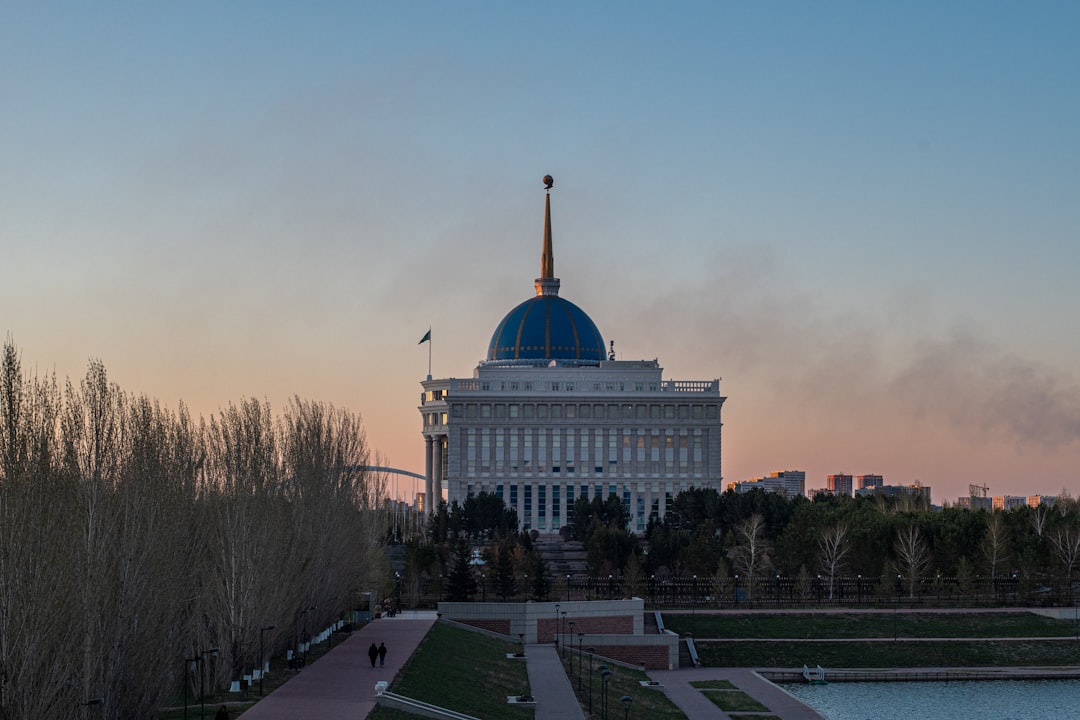
Kazakhstan is a Central Asian nation-state of 20 million people and the world's largest landlocked country by area, currently under President Kassym-Jomart Tokayev's leadership since 2019. As the dominant economic and military power in Central Asia, Kazakhstan serves as a critical geopolitical crossroads connecting Russia, China, and the broader Islamic world. The country holds vast hydrocarbon reserves, controls key transit corridors for Eurasian trade, and maintains strategic partnerships with NATO-aligned powers while preserving deep energy ties to Russia and China. Its stability directly influences regional security architecture and global energy markets.
Kazakhstan ranks 139th on the LeadersCartel Power Index with a normalized score of 3.2, tracked across 52 active intelligence sources with signal distribution showing zero high-impact signals, three emerging signals, and zero watch-tier alerts. This monitored-tier classification reflects a stable but constrained regional position. Kazakhstan's score trajectory suggests neither rising nor declining power momentum; rather, the nation maintains steady influence within Central Asian frameworks while lacking sufficient independent leverage to drive major geopolitical outcomes. The absence of high-impact signals indicates limited unilateral capacity to reshape regional dynamics independent of Russia or China.
Three headline signals converge this week on Kazakhstan's strategic dilemma: proposals for a unified Eurasian Economic Union common market highlight Kazakhstan's economic integration trap and limited autonomy; China's expanding Central Asian footprint directly threatens Astana's traditional role as regional mediator; simultaneously, US strategic reorientation under President Trump toward Central Asian engagement creates potential opportunities for Tokayev to diversify partnerships beyond Moscow and Beijing. Each signal represents competing pressure vectors on Kazakhstan's foreign policy calculus.
Analysts should monitor whether Kazakhstan pivots toward Trump administration Central Asia initiatives or doubles down on Eurasian Economic Union frameworks over the next 72 hours. The specific trigger to watch: any official statement from Astana regarding participation in new US-led Central Asian diplomatic forums would signal meaningful geopolitical repositioning and warrant immediate assessment of Russia's countermeasures.