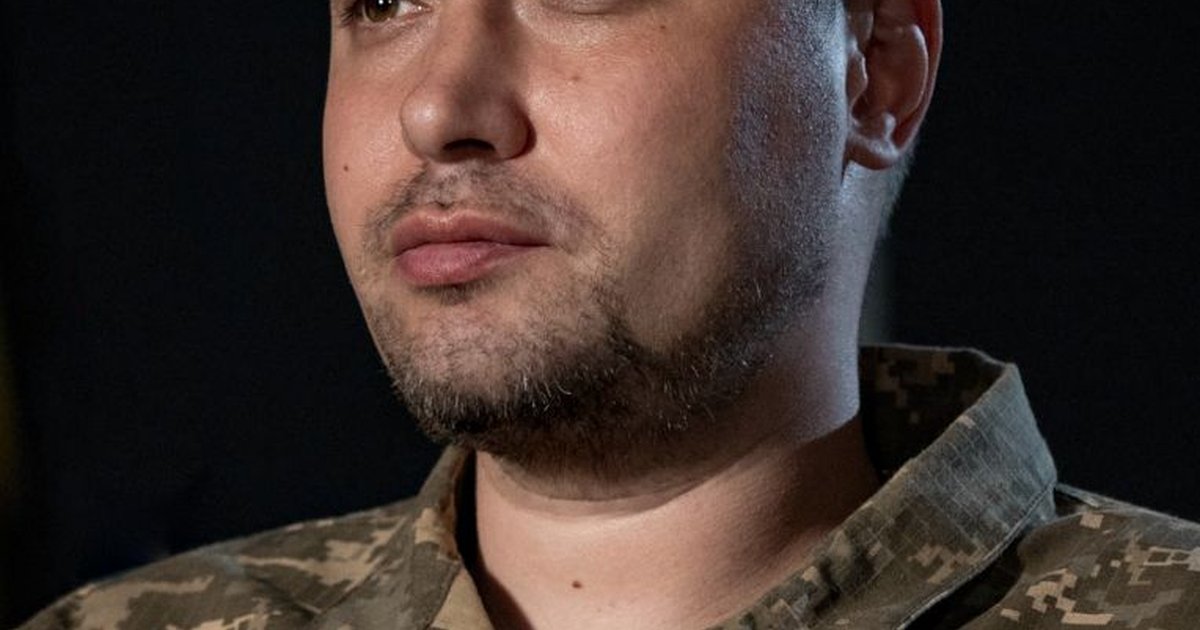
Kyrylo Budanov
KYRYLO BUDANOV: UKRAINE'S INTELLIGENCE CHIEF AND STRATEGIC VOICE
Kyrylo Budanov is the current head of Ukraine's Security Service (SBU), serving as the country's senior intelligence official and one of President Volodymyr Zelensky's most influential security advisors. As Ukraine's chief intelligence officer, Budanov holds disproportionate influence over military strategy, counterintelligence operations against Russian infiltration, and diplomatic messaging regarding Western support. His significance extends beyond Kyiv: Budanov has become a principal conduit through which Ukrainian leadership communicates existential security concerns to NATO allies, particularly as European defense architecture undergoes fundamental restructuring in response to ongoing Russian aggression. His authority over Ukraine's cyber warfare capabilities and human intelligence networks makes him a pivotal actor in shaping how Western democracies perceive and respond to hybrid threats emanating from Moscow.
Budanov's LeadersCartel ranking at position 181 with a 1.9 influence score reflects emerging prominence across 133 monitored intelligence sources. The signal distribution—zero high-impact signals, one emerging signal, and zero watch-level alerts—indicates consolidating authority without yet reaching peak institutional power. His monitored tier status suggests analysts are tracking trajectory rather than immediate crisis-level impact. The ranking reflects Budanov's position as an elite secondary decision-maker: he lacks the formal state power of presidents or prime ministers but commands outsized influence over security policy implementation and public messaging. His score trajectory points toward increasing rather than declining relevance, driven by Ukraine's ongoing crisis and Western reliance on Ukrainian intelligence assessments.
Recent signal activity demonstrates Budanov's active engagement in transatlantic security dialogue. His statement that European security without US involvement would be "very dangerous" directly challenges emerging European strategic autonomy rhetoric, particularly relevant given Friedrich Merz's assumption of Germany's chancellorship in May 2025. Simultaneously, Budanov has publicized exclusive information regarding Ukrainian access to advanced technology for drone countermeasures, signaling both Ukrainian innovation and dependence on external technical partnerships. His participation in European security forums discussing hybrid threats indicates the SBU's repositioning as a frontline institution advising NATO on contemporary warfare.
Analysts should monitor whether Budanov's messaging regarding US security guarantees influences Trump administration policy toward continued