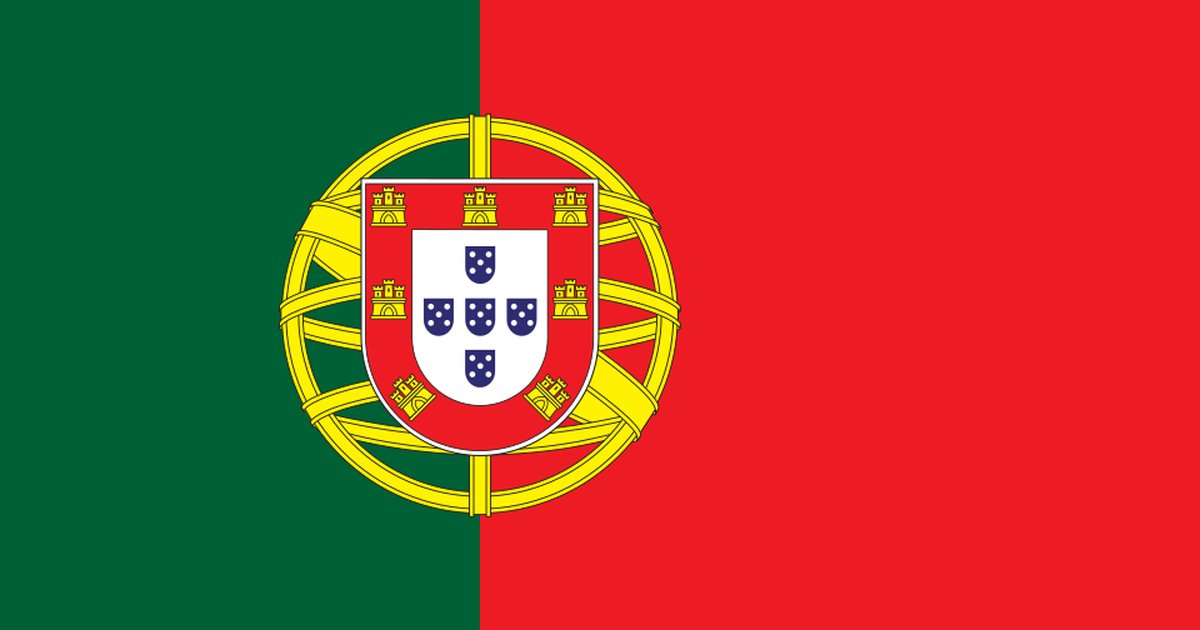
Portugal
PORTUGAL INTELLIGENCE DOSSIER
Portugal is a NATO member state and European Union nation positioned strategically at the Atlantic gateway to Western Europe, currently led by Prime Minister Luís Montenegro following March 2024 elections. As the westernmost country in continental Europe, Portugal serves as a critical hub for transatlantic security cooperation, energy infrastructure including liquefied natural gas terminals, and increasingly, technology sector development. Its geopolitical significance extends beyond its 10.4 million population through leadership roles in EU energy diversification away from Russian supply and participation in emerging Indo-Pacific engagement frameworks with NATO allies.
Portugal's LeadersCartel ranking at 160 with a composite score of 2.6 reflects its positioning as a monitored secondary actor in European affairs. Signal distribution across 94 sources reveals 0 high-impact indicators, 2 emerging signals, and 0 watch-level alerts, establishing a tier classification emphasizing domestic rather than immediate global consequence. The stable but modest ranking reflects Portugal's consistent EU alignment, absence of regional military escalation, and limited unilateral strategic projection compared to major European powers like France under Emmanuel Macron or Germany under Friedrich Merz.
This week's signal cluster centers on acute domestic pressure: tens of thousands marched in Lisbon protesting housing scarcity and living cost inflation, with coordinated demonstrations across Belgium, Italy, and France indicating broader European economic stress cascading downward. Headlines specify housing crisis dimensions and cost-of-living grievances, signaling potential destabilization of center-left coalitions across the continent. These emerging signals (2E classification) suggest Portuguese political stability faces centripetal strain from inflation persistence and real estate unaffordability affecting youth demographics and electoral coalitions.
Analysts should monitor whether housing-cost demonstrations escalate beyond symbolic marches toward sustained labor mobilization or parliamentary fragmentation. Track Portuguese government fiscal response announcements within 48 hours and correlation between Lisbon protests and parallel demonstrations in France and Italy, as synchronized action suggests coordinated narratives exploitable by anti-EU political movements. Specific trigger: any announcement of emergency housing legislation or rent controls would signal elevated policy risk requiring reassessment of Portugal's economic governance trajectory.