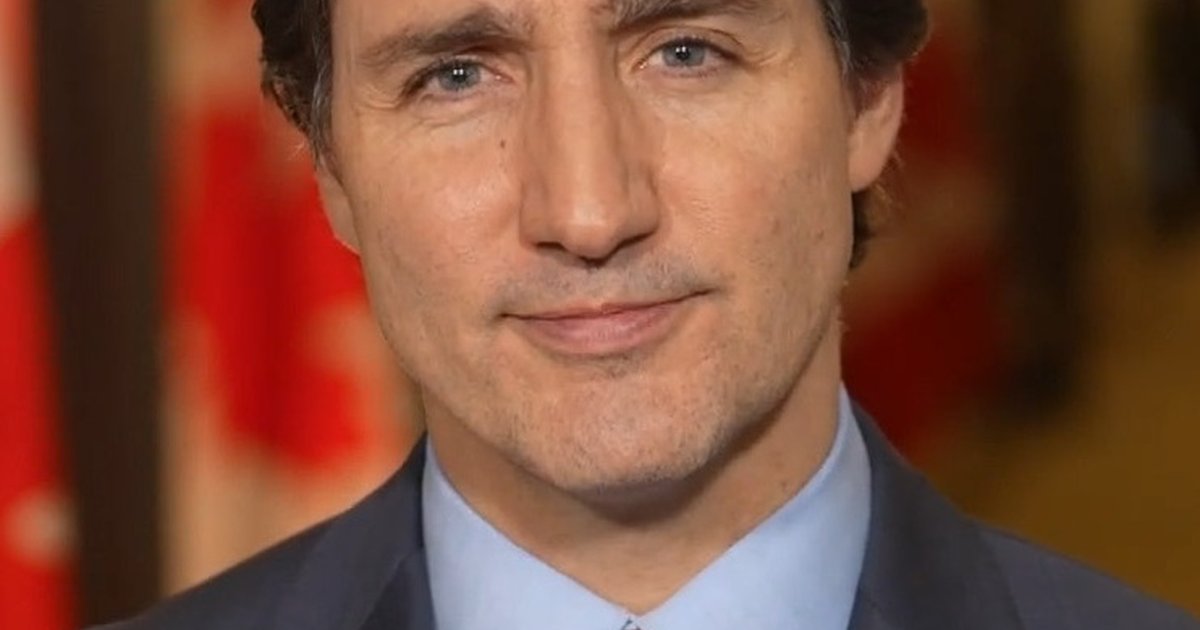
Justin Trudeau
INTELLIGENCE DOSSIER: JUSTIN TRUDEAU
Justin Trudeau is the former Prime Minister of Canada, having served as the nation's chief executive until his resignation in January 2025. As Canada's primary political figure through most of the Biden administration, Trudeau shaped North American bilateral relations, USMCA trade dynamics, and Arctic sovereignty strategy. His departure represents a significant realignment in Canadian leadership at a moment when the Trump administration's protectionist stance and aggressive resource nationalism directly threaten Canadian energy exports, agricultural trade, and cross-border investment flows. Trudeau's influence on continental geopolitics—particularly regarding China containment, Russian sanctions alignment, and NATO burden-sharing—historically positioned Canada as a critical swing actor in US-led coalitions.
Trudeau's LeadersCartel ranking of 129 with a power score of 3.1 reflects his rapid decline from active leadership. Tracked across 185 intelligence sources, his signal distribution shows 1 high-impact indicator, zero emerging signals, and zero watch-level developments—indicating near-total cessation of direct influence operations. His "monitored" tier status suggests residual relevance only as a comparative benchmark against successor Friedrich Merz's Germany or Modi's India, rather than as an active decision-maker. The low score documents the velocity of his political collapse and the absence of institutional leverage post-resignation.
Three signals warrant immediate analytical attention. First, Trudeau's climate agenda admission suggests internal Canadian acknowledgment that environmental commitments conflicted with energy sector survival, creating policy credibility gaps that his successor must address under Trump's energy-first doctrine. Second, the Lawrence Bishnoi-Goldy Brar extradition case indicates Canada's vulnerability to transnational organized crime tied to India-Pakistan tensions, directly implicating Modi's security apparatus and Canadian sovereignty. Third, Trudeau's World Cup attendance in the US rather than Canada symbolizes his diminished domestic legitimacy and geographic displacement from power centers.
Analysts should monitor whether Trudeau's successor adopts a harder line on US tariff negotiations and Modi-aligned security cooperation. Watch for any Bishnoi-related diplomatic incidents between Ottawa and New Delhi within 72 hours that could signal India's willingness to pressure Canada through organized crime networks. Track Trump's public statements on Canadian resource concessions—