Afghanistan
AFGHANISTAN INTELLIGENCE DOSSIER
Afghanistan is a landlocked Central Asian nation currently administered by the Taliban regime, which consolidated control in August 2021. As a strategic crossroads between South Asia, Central Asia, and the Middle East, Afghanistan remains globally significant due to its geographic proximity to major powers including Russia, China, and India, its role in regional terrorism dynamics, and its untapped mineral resources estimated at $1-3 trillion. The country functions as a critical variable in great power competition, particularly influencing security calculations for Pakistan, Russia, and China along their shared or proximate borders.
Afghanistan currently ranks 62nd on the LeadersCartel Power Index with a score of 6.7, placing it in the monitored tier across 1,068 active intelligence sources. The signal distribution pattern (2 high-impact, 3 emerging, 0 watch-level) indicates stable but constrained influence. This positioning reflects the Taliban's consolidation of territorial control offset by limited international recognition, economic collapse, and dependency on external state actors for legitimacy and resources. The regime's power trajectory remains geographically localized rather than internationally expansive, consistent with its monitored rather than critical ranking.
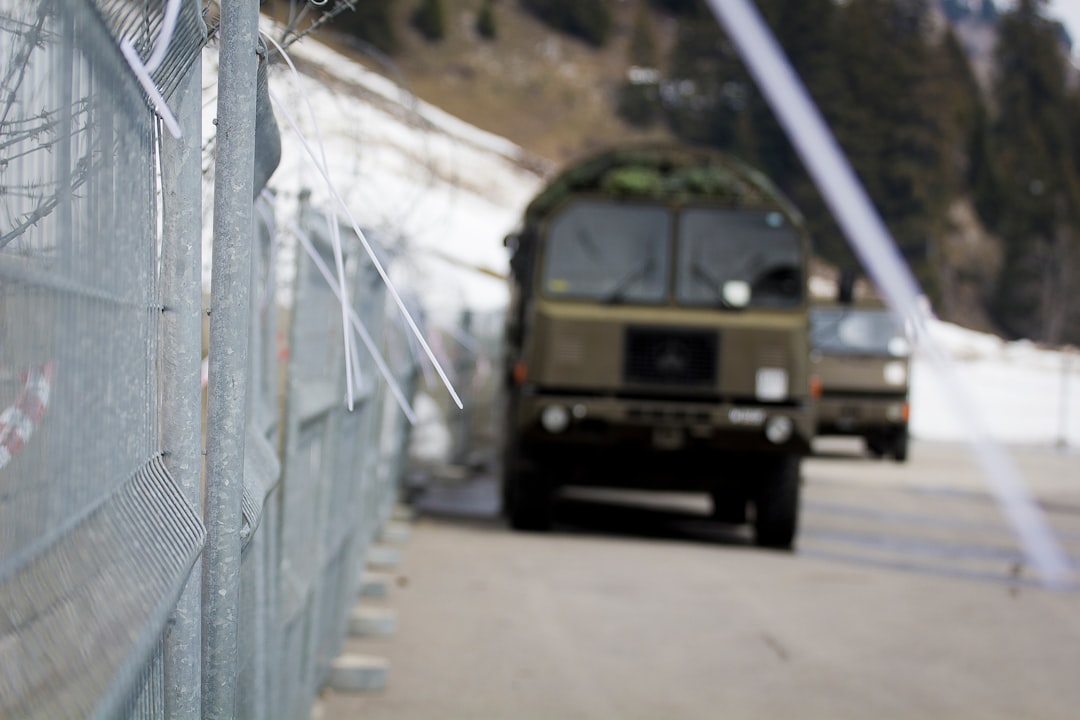
Recent developments underscore regional destabilization. The Afghan Border signal highlights Russian security concerns following Taliban activities along the northern frontier, reflecting Moscow's escalated monitoring of Taliban-affiliated militant expansion toward former Soviet territories. Simultaneously, unprovoked Taliban firing along the Kurram border demonstrates active hostile operations against Pakistan, directly impacting bilateral stability and Pakistani security calculations. Pakistan's reported rejection of unconditional talks signals hardened diplomatic positions and suggests the Taliban regime faces isolation from key neighbors despite territorial control.
Analysts should monitor Taliban cross-border military operations against Pakistan through the 72-hour window, specifically any escalation along the Kurram Valley sector. Watch for coordination signals between Taliban and Central Asian militant networks that might trigger Russian military repositioning. The critical trigger event: any Taliban-facilitated attack claiming responsibility for operations in Russia's North Caucasus would fundamentally alter Afghanistan's LeadersCartel ranking and activate major power intervention protocols.