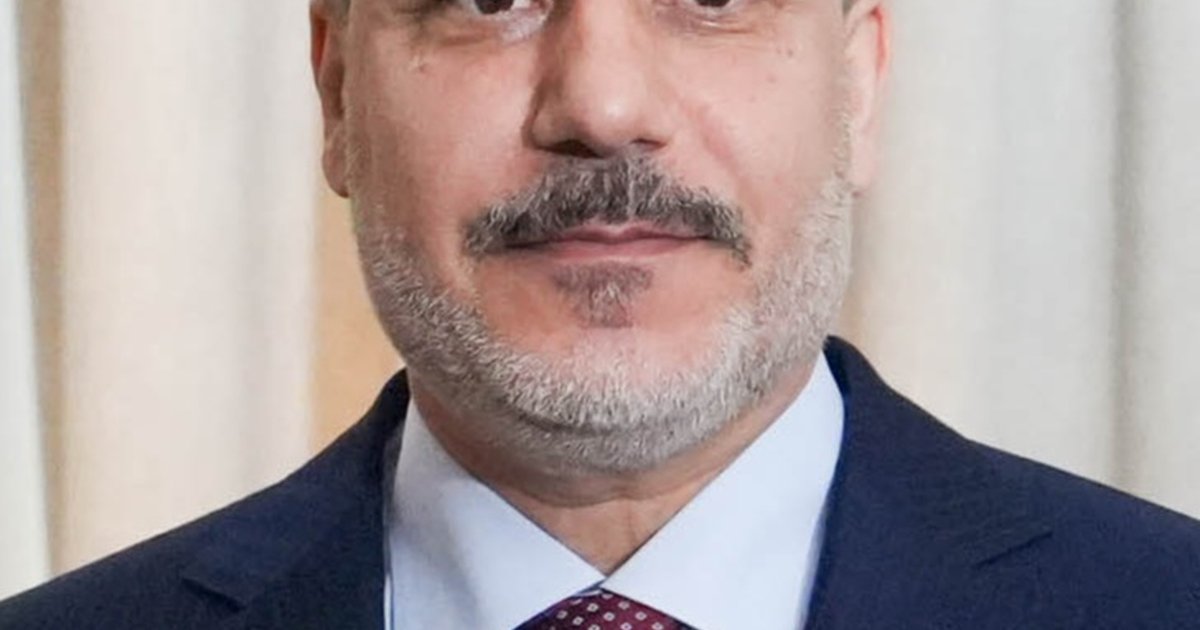
Hakan Fidan
INTELLIGENCE DOSSIER: HAKAN FIDAN
LEADERSCATEL CLASSIFICATION | MONITORED TIER
Hakan Fidan is the Foreign Minister of Turkey, a position that grants him direct influence over one of NATO's most strategically positioned member states and a critical mediator in Middle Eastern geopolitics. As Turkey's chief diplomat, Fidan shapes policy across the Eastern Mediterranean, Central Asia, and the broader Islamic world—territories where Turkish interests increasingly compete with Russian, Iranian, and Western powers. His significance derives from Turkey's dual role as a NATO ally and a pragmatic actor maintaining relationships with adversarial powers, making his diplomatic moves barometers of Ankara's strategic orientation.
Fidan registers at rank 174 on the LeadersCartel Power Index with a monitored tier designation, tracked across 4150 intelligence sources. His signal distribution shows one active high-impact signal against zero emerging and zero watch-level indicators, suggesting concentrated rather than dispersed influence. This positioning reflects his specialized portfolio: Fidan lacks executive state power but commands disproportionate influence in discrete theaters. His stable rank trajectory indicates consistent relevance without expanding authority—typical of foreign ministers whose power fluctuates with their nation's diplomatic tempo rather than structural position.
Three headline signals emerged this reporting cycle. First, Turkey and the UAE are initiating new talks concerning Iran's military posture and Israeli expansion dynamics—a negotiation linking energy security, regional balance, and Turkish-Arab alignment. Second, Fidan publicly urged strengthened Turkic coordination amid unspecified global challenges, signaling organizational efforts within Central Asian networks potentially responding to Russian or Chinese moves. Third, Saudi Arabia, Turkey, and Pakistan are reportedly coordinating to address Houthi threats, indicating realignment of Sunni-led security partnerships in the Red Sea theater.
Analysts should monitor whether Turkish-UAE coordination produces binding agreements on Iran policy over the next 72 hours, as this would signal Turkish repositioning away from neutrality toward implicit anti-Iranian coalition. Watch for clarity on Fidan's "Turkic coordination" language—whether this references Central Asian institutional development or response to specific threats. The critical trigger: any formal joint statement from the Saudi-Turkey-Pakistan trilateral regarding military coordination against Yemen's Houthis would indicate escalation risk in the Red Sea.