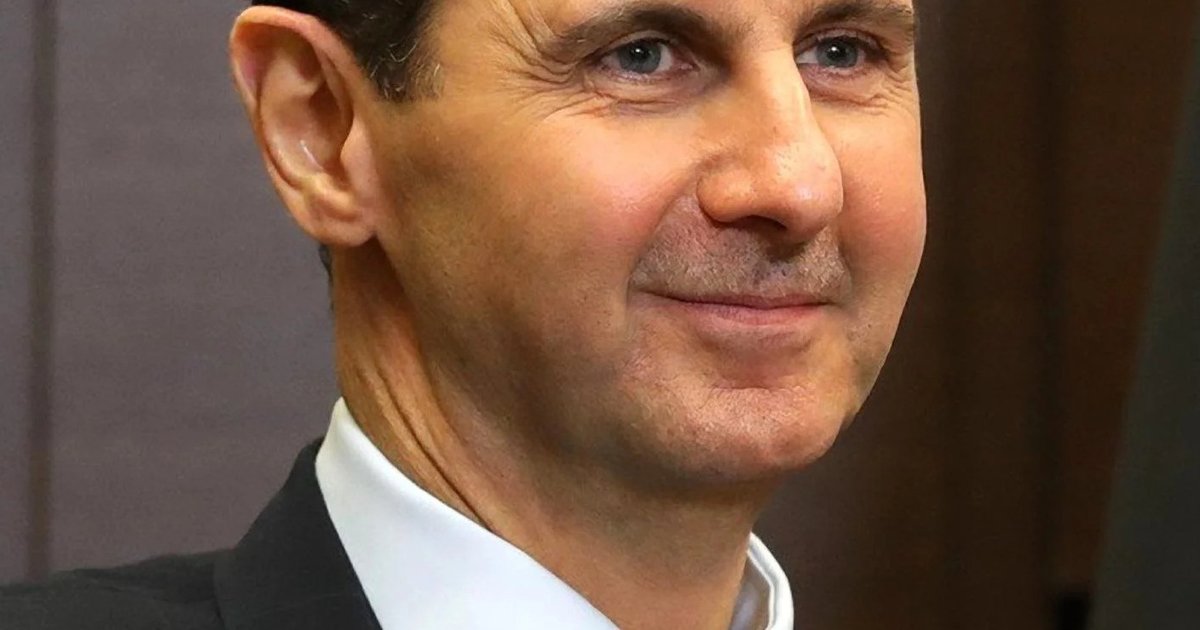
Bashar al-Assad
INTELLIGENCE DOSSIER: BASHAR AL-ASSAD
Bashar al-Assad is the ousted former President of Syria, now a displaced figure of diminished operational capacity but sustained strategic significance. Once the dominant autocratic authority controlling the Levantine state, al-Assad has transitioned to a status of forced exile following the collapse of his regime in late 2024. His current positioning derives strategic importance from residual network effects across Middle Eastern geopolitical architectures and his sustained relationship with Russian Federation leadership, which continues to provide sanctuary and diplomatic protection despite his international isolation.
On the LeadersCartel Power Index, al-Assad ranks 164th globally with a composite score of 1.9, a classification reflecting his transition from active state power to monitored asset status. Intelligence tracking across 68 discrete sources yields a signal distribution of one emerging indicator and one watch-tier signal, with zero high-impact active vectors. This monitored tier placement indicates diminished operational leverage but sustained analytical priority—his network remains consequential despite territorial loss. The relatively sparse signal profile suggests constrained visibility into current decision-making, consistent with displacement and restricted movement patterns.
Current intelligence highlights three critical developments: First, al-Assad faces formal death sentences pronounced in absentia by transitional Syrian judicial mechanisms, indicating irreversibility of regime collapse and precluding any near-term internal restoration scenario. Second, contemporaneous reporting confirms he remains under Russian Federation protection within its territory, suggesting Moscow views him as a retained asset despite shifting Middle Eastern alignments. Third, ongoing analysis of transitional justice frameworks indicates international prosecutorial mechanisms are advancing cases against al-Assad's security apparatus, constraining his geographic mobility and diplomatic rehabilitation pathways.
Analysts should monitor Russian Federation signaling regarding al-Assad's status over the next 72 hours, particularly any statements from Putin's administration concerning Syrian reconstruction participation or normalization discussions. Specific trigger event: any announcement of al-Assad's voluntary departure from Russian territory or participation in Syrian political negotiations would signal major geopolitical realignment and require immediate escalation to senior leadership.