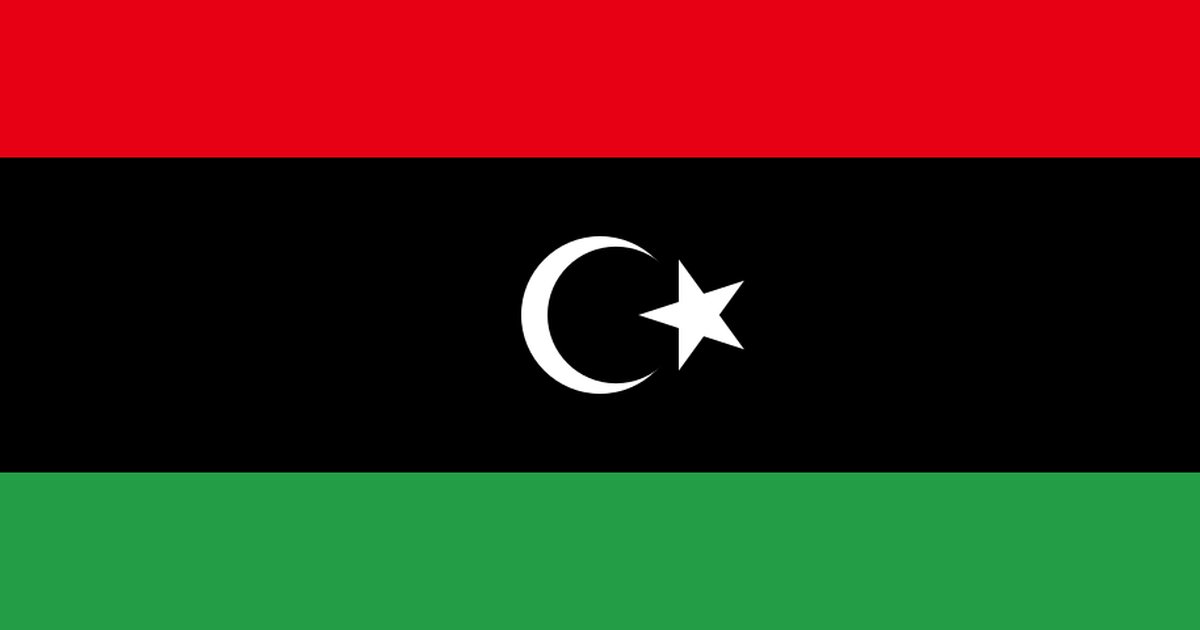
Libya
INTELLIGENCE DOSSIER: LIBYA
Classification: Standard Analysis | Distribution: Senior Analysts
Libya is a North African nation-state currently experiencing fragmented governance, acute human rights deterioration, and contested authority between competing power centers. As a primary Mediterranean transit hub for migration, energy infrastructure gateway, and geopolitical flashpoint between European and Middle Eastern interests, Libya's instability directly impacts regional security architecture, European border management, and energy markets serving the EU and Asia.
Libya currently ranks 238th on the LeadersCartel Power Index with a score of 1.6/100, reflecting severely constrained political authority and institutional collapse. Tracked across two intelligence sources with signal distribution of 0H/1E/0W, Libya's position remains stable within the "monitored" tier despite critical deterioration in state capacity. The absence of high-impact signals indicates fragmentation prevents any single authority from projecting measurable power; the single emerging signal reflects evolving human rights abuses generating international attention without corresponding geopolitical influence gains.
Three priority developments emerged this week. Rights groups documented eastern Libyan authorities conducting extrajudicial executions without due process, signaling breakdown of rule of law in regime-controlled territories. Separately, reporting confirms systematic executions following secret trials with coerced confessions, indicating formalized state violence rather than isolated incidents. The UN Security Council convened on Libya highlighting "encouraging progress," creating diplomatic contradiction with documented abuses—suggesting negotiation frameworks exist but lack enforcement mechanisms to prevent atrocities.
Analysts should monitor whether external actors—particularly the current Italian government or French administration—escalate pressure on eastern authorities regarding execution documentation. Track whether documented abuses trigger ICC referrals or sanctions. The specific trigger event warranting immediate attention is any public statement from the Libyan authorities acknowledging or justifying the reported executions, which would signal entrenchment rather than potential course correction within 72 hours.