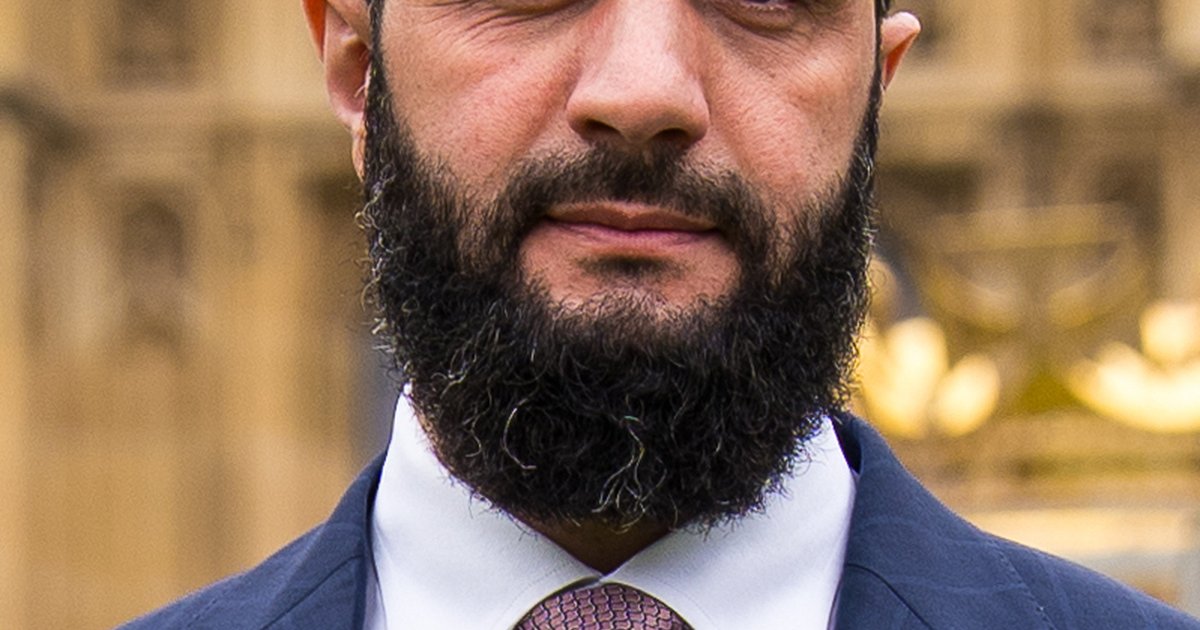
Ahmed Al-Sharaa
Ahmed Al-Sharaa is the current President of Syria, leading the nation through a critical post-conflict reconstruction phase following the collapse of the Assad regime. His strategic significance stems from Syria's geographic centrality in the Eastern Mediterranean and Middle East, its proximity to Israel, Turkey, and Iraq, and its role as a potential flashpoint for regional escalation. Al-Sharaa's legitimacy and governing capacity directly influence stability across the Levant, refugee flows into neighboring states, and the broader balance of power between Iranian influence and Western-aligned regional actors. His administration's decisions on security sector reform, minority protections, and foreign policy alignment will reshape regional alignments for the next decade.
Al-Sharaa ranks 171st on the LeadersCartel Power Index with a 2.0/100 score, tracked across 107 active intelligence sources with high-impact signal distribution (1H active), indicating concentrated but limited immediate operational reach. His monitored tier status reflects elevated but not crisis-level attention. The score reflects Syria's weak current state capacity and international isolation despite Al-Sharaa's newfound diplomatic prominence. His position appears stable rather than declining, anchored in his control of Syrian territory and emerging regional diplomatic engagement, though his power index remains constrained by lack of institutional depth and international recognition uncertainty.
Three critical signals emerged this week. President Al-Sharaa publicly warned that Israeli military operations threaten Syria's delicate post-war recovery, directly challenging Israeli security doctrine and signaling potential resistance to continued cross-border strikes. Simultaneously, Netanyahu's UN address triggered diplomatic walkouts, intensifying regional polarization around Israeli-Iranian tensions. Al-Sharaa's position on this triangle—managing Israeli security concerns while resisting domination and preventing Iranian re-entrenchment—represents the week's core challenge. His linked network (Pezeshkian, Israel, United Kingdom, Pakistan, Iran) shows he operates within competing spheres of influence.
Analysts should monitor Al-Sharaa's response to the next Israeli incursion into Syrian airspace or territory within 72 hours. Watch for coordinated statements with Turkey or Iraq signaling unified resistance, or conversely, tacit accommodation signaling regional alignment shifts. The trigger event to track: whether Al-Sharaa establishes formal military protocols with neighboring states or accepts Israeli operations as the cost of international