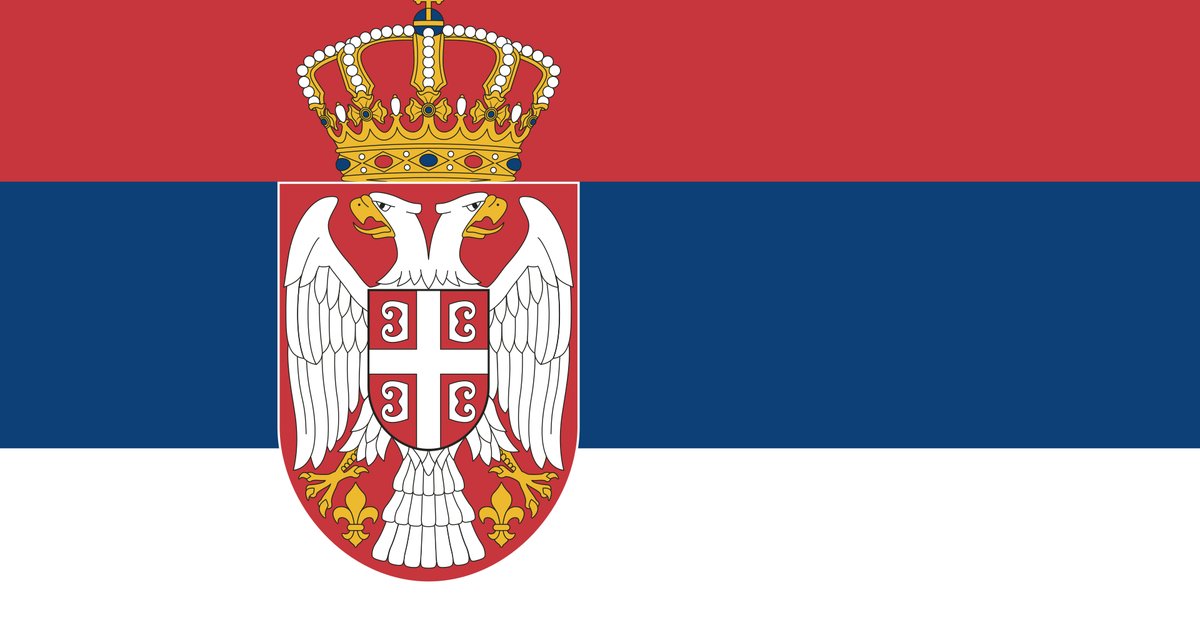
Serbia
SERBIA INTELLIGENCE DOSSIER
Serbia is a Balkan nation-state currently led by populist President Aleksandar Vucic, serving as a critical geopolitical crossroads between Western institutions and Russian strategic interests. With a population of 6.6 million and EU candidate status, Serbia maintains deliberate strategic ambiguity—nominally pursuing NATO and European integration while preserving deep energy dependencies and political ties with Moscow. This balancing act makes Serbia disproportionately significant for understanding broader European fragmentation and Russia's influence operations in post-Soviet space. The country controls critical Danube corridor logistics and serves as a barometer for populist consolidation within the EU's eastern periphery.
Serbia's LeadersCartel Power Index ranking of 190 reflects constrained autonomy despite regional prominence. With a score of 2.1/100 tracked across 63 active intelligence sources, Serbia shows emerging signal activity (1E tier) against high-impact Russian-aligned narratives. The single emerging signal indicates rising information asymmetry—Vucic's domestic political positioning increasingly depends on Russian validation narratives rather than institutional legitimacy. This tier designation suggests Serbia operates within Moscow's information ecosystem more than as an independent strategic actor, a pattern consistent with declining Western soft power leverage in the region.
Three distinct headline signals emerged this week. First, Vucic's electoral victory correlates directly with state-media messaging emphasizing Russian alignment through the Information Ministry's framing. Second, grassroots nationalist rhetoric citing "Russia and God" indicates deep penetration of Russian identity narratives into Serbian civil society through official channels. Third, Vucic's symbolic visit to tragedy-affected Novi Sad demonstrates political resilience while linked-entity references to Russia, Iran, India, Slovakia, and Iraq reveal his administration's expanding alternative-alliance network beyond traditional Western partnerships.
Monitor Vucic's next 72-hour statements regarding Ukraine policy, particularly any shifts in Serbia's EU-imposed sanctions compliance. Watch for signals indicating whether Vucic will deepen trilateral military or energy cooperation with Russia, Iran, or India. Critical trigger event: any formal announcement expanding Serbia's energy contracts with Gazprom would signal irreversible strategic realignment and cascading NATO-expansion complications.