Geopolitical Power Rankings
Top 10 nations ranked by strategic influence, military capability, and diplomatic reach.
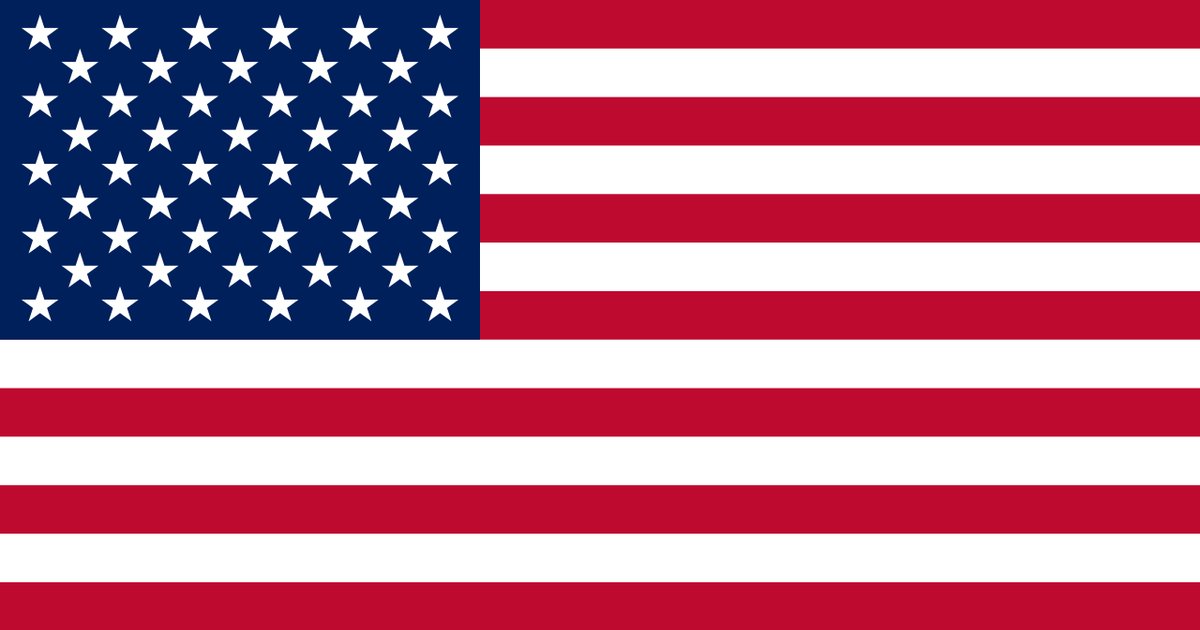
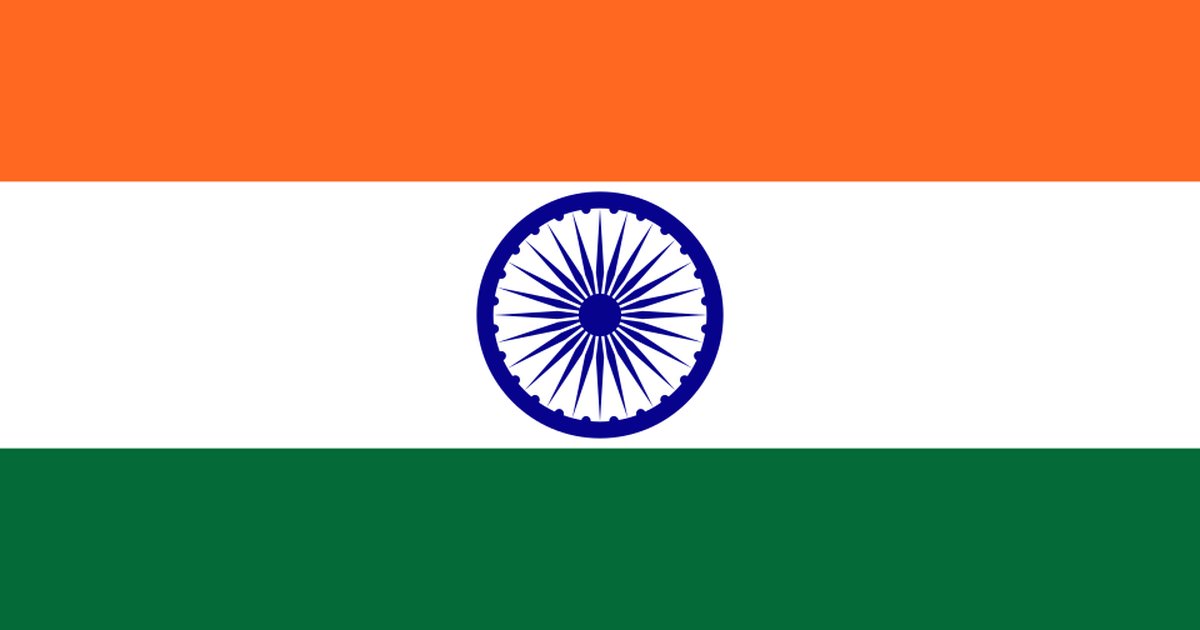
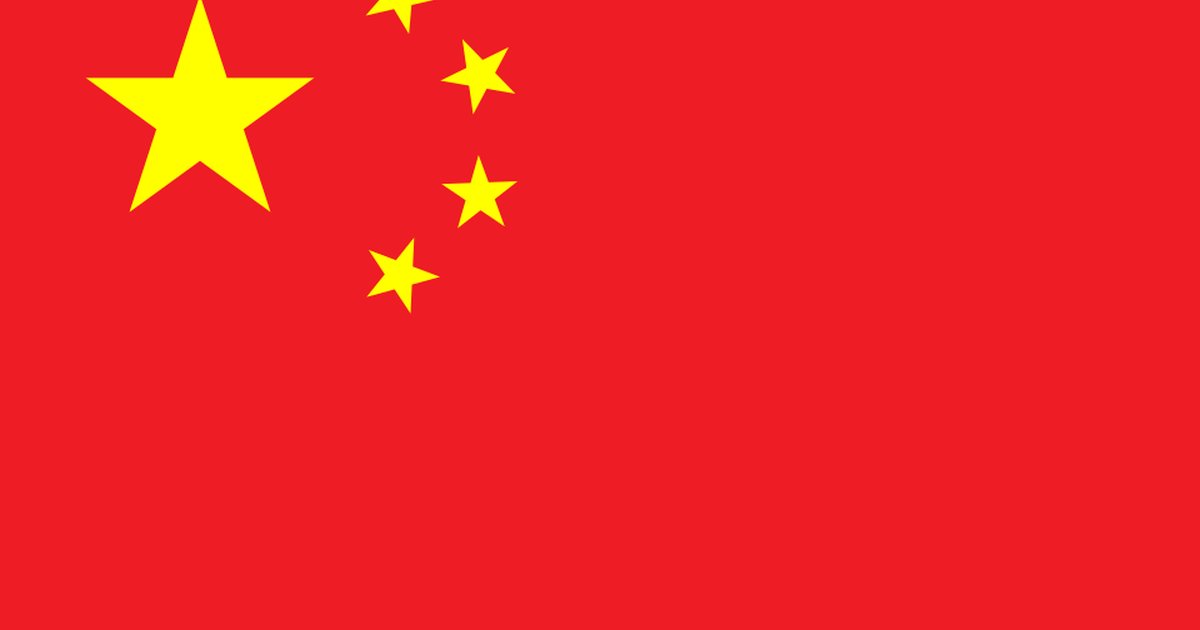
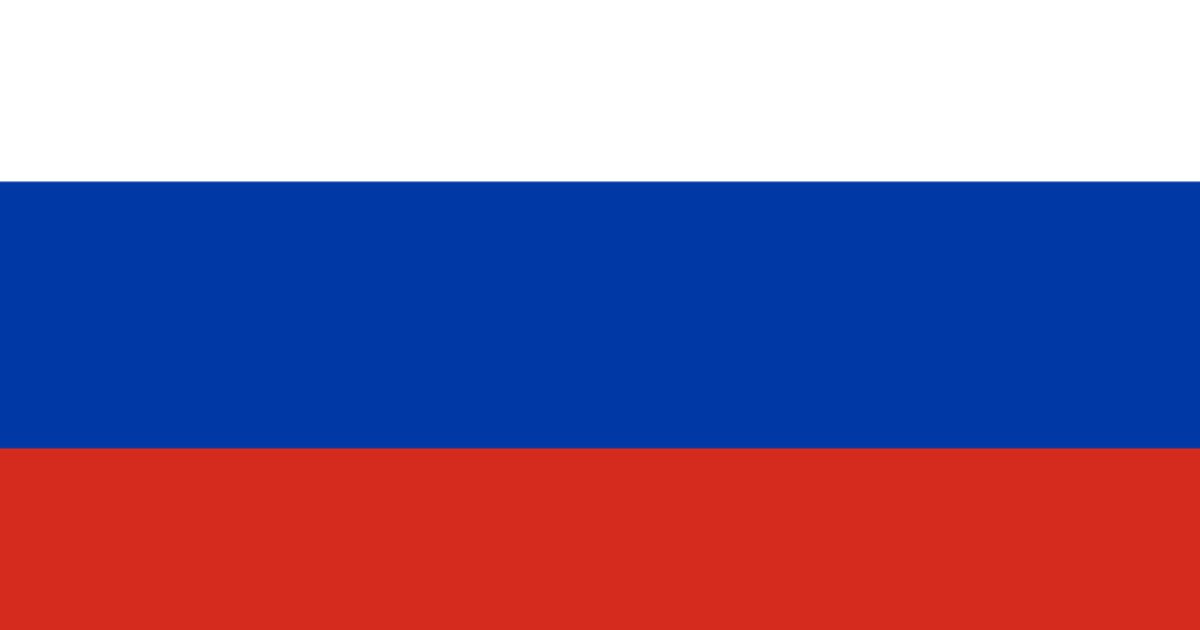
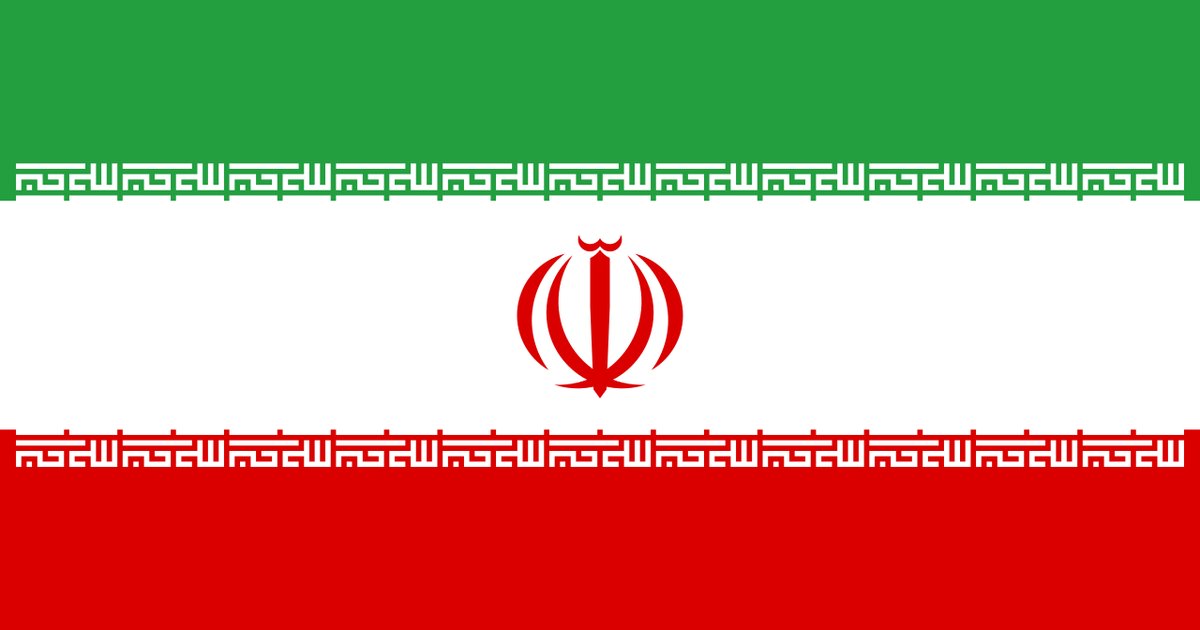
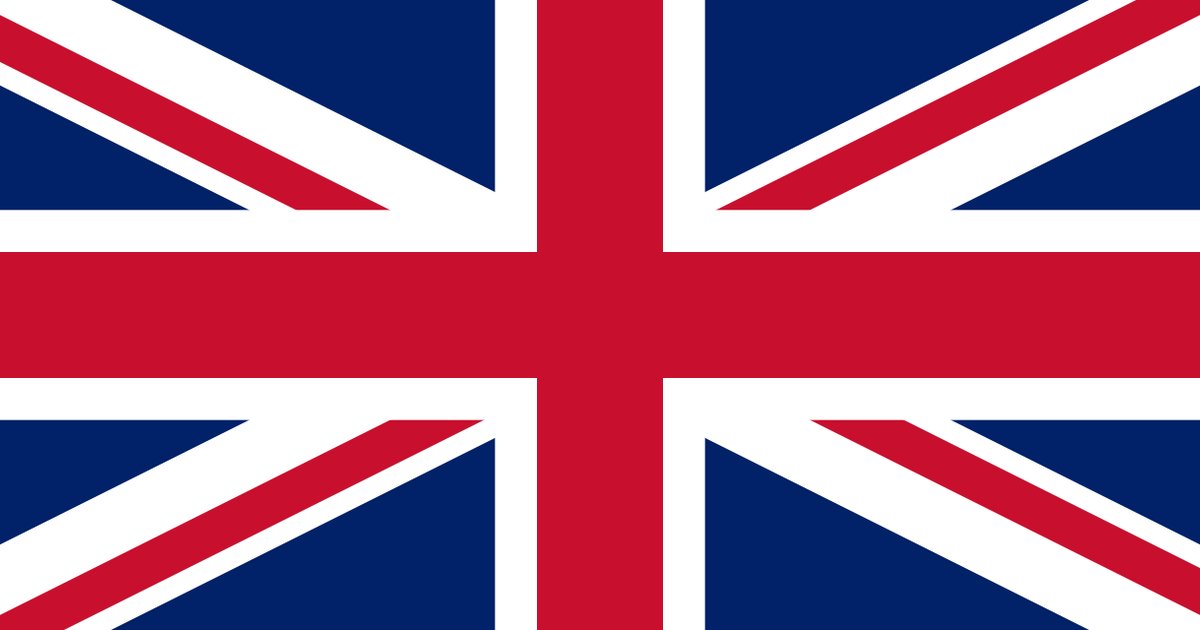
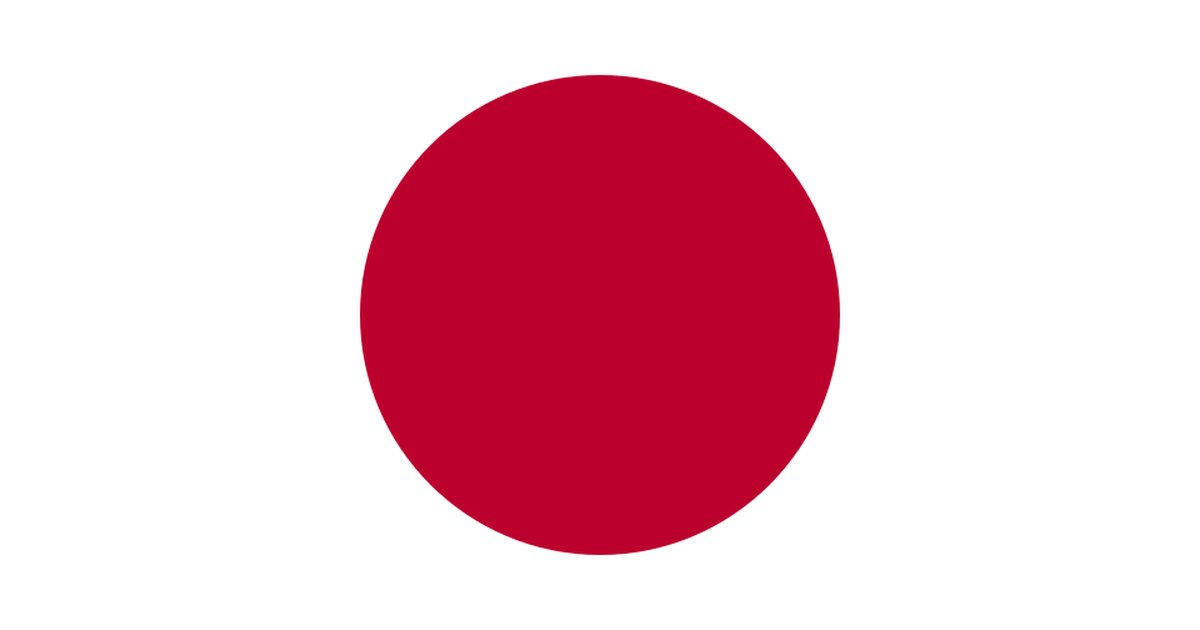
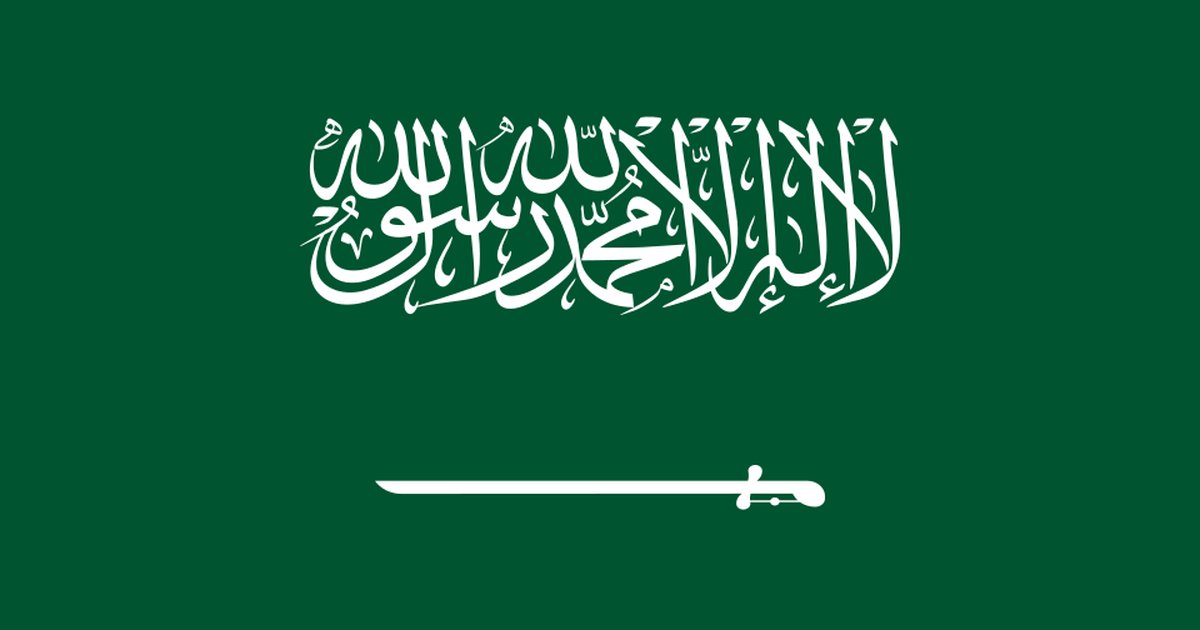
The United States maintains its commanding lead with a 0.9 power index, reflecting its continued dominance across military, economic, and technological dimensions despite persistent domestic political polarization and fiscal challenges. India and China occupy an effectively tied second tier at 0.6, though their trajectories diverge significantly—India's demographic dividend and manufacturing expansion contrast sharply with China's demographic headwinds and debt accumulation, suggesting potential position volatility over the coming months. Russia's position at 0.5 represents a stabilized but constrained power base following years of sanctions and military expenditure, while the remaining six nations at 0.2 occupy a competitive middle tier where regional leverage and sector-specific capabilities matter more than overall global influence, with particular attention warranted toward Pakistan's nuclear capacity and Saudi Arabia's energy market influence as potential differentiators in the near term.


Rankings combine structural power (40%) from published external data with real-time signal activity (35%) from 333+ intelligence sources and momentum (25%) from 24-hour trend analysis.
Structural data sources:
Structural scores refresh annually. Signal scores update every 15 minutes. Rankings regenerate every 4 hours.
Track Power Shifts in Real Time
Live signals · RAVEN AI analyst · Power map · Daily intelligence brief — 3-day free trial