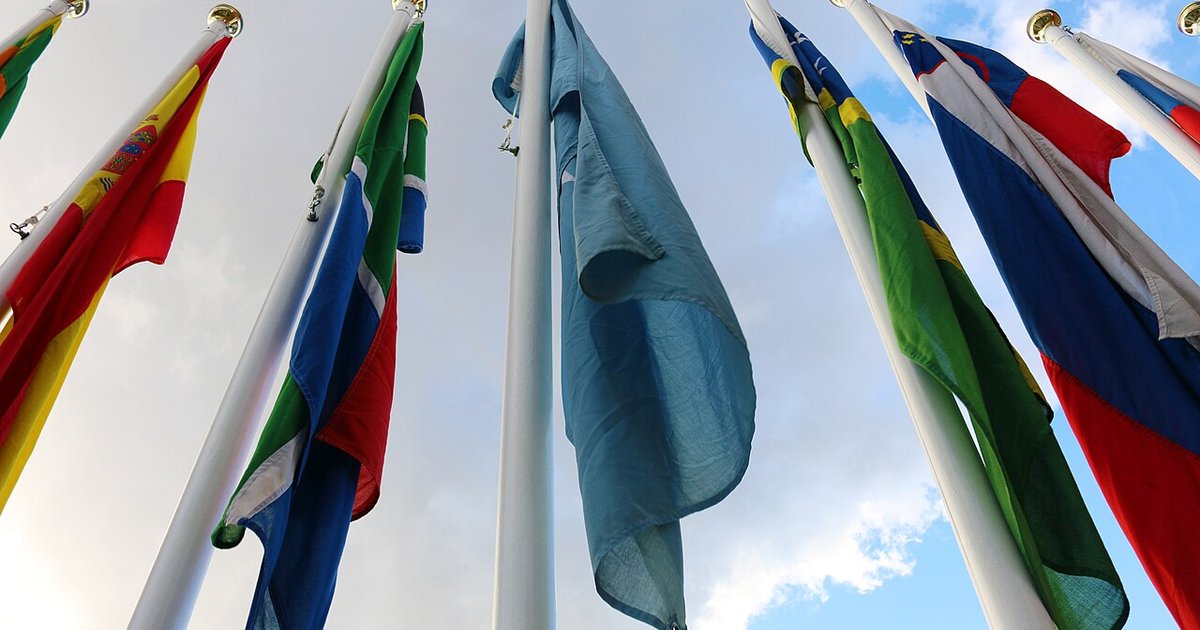
International Maritime Organization
INTELLIGENCE DOSSIER: INTERNATIONAL MARITIME ORGANIZATION
The International Maritime Organization is a specialized agency of the United Nations responsible for regulating shipping, maritime safety, and environmental protection across global maritime commerce. As the primary standard-setting body for the 90,000+ commercial vessels operating worldwide, the IMO functions as the de facto global maritime authority, establishing conventions that govern approximately 11 percent of international trade by volume. Their current significance lies in mediating competing geopolitical interests in critical chokepoints—the Strait of Hormuz, Gulf of Aden, and strategic sea lanes—while managing environmental compliance, crew welfare standards, and emerging threats from piracy and maritime terrorism.
The IMO currently ranks 183rd on the LeadersCartel Power Index with a composite score of 1.8, tracked across two intelligence sources with an emerging signal distribution (0 high-impact, 1 emerging, 0 watch-tier alerts). This ranking reflects the organization's structural position as a convening body rather than enforcement mechanism; the IMO lacks direct military or economic coercive power, instead deriving influence through consensus-building and treaty ratification by member states. The single emerging signal suggests mounting pressure on the organization's legitimacy as geopolitical tensions stress maritime governance frameworks.
Three critical developments emerged this week. First, the IMO issued formal alarm regarding Somali pirate operations holding over 90 seafarers hostage, signaling deterioration of security in the Gulf of Aden—a chokepoint handling 12 percent of global maritime traffic. Second, the shipping industry escalated warnings about potential Iranian toll demands for Hormuz transit, directly challenging IMO authority over free passage norms. Third, Iran demanded the IMO condemn Ukraine-related attacks on maritime infrastructure, attempting to weaponize the organization for geopolitical purposes. Each development exposes the IMO's inability to enforce compliance against state actors.
Analysts should monitor whether the IMO convenes emergency sessions on piracy escalation and whether major shipping nations bypass IMO mediation by forming bilateral coalitions. The critical trigger event to watch within 48-72 hours is whether Iran formally announces Hormuz transit fees; such action would represent direct organizational defiance, potentially fragmenting maritime governance structures and forcing realignment among the Trump, Modi, and Macron administrations