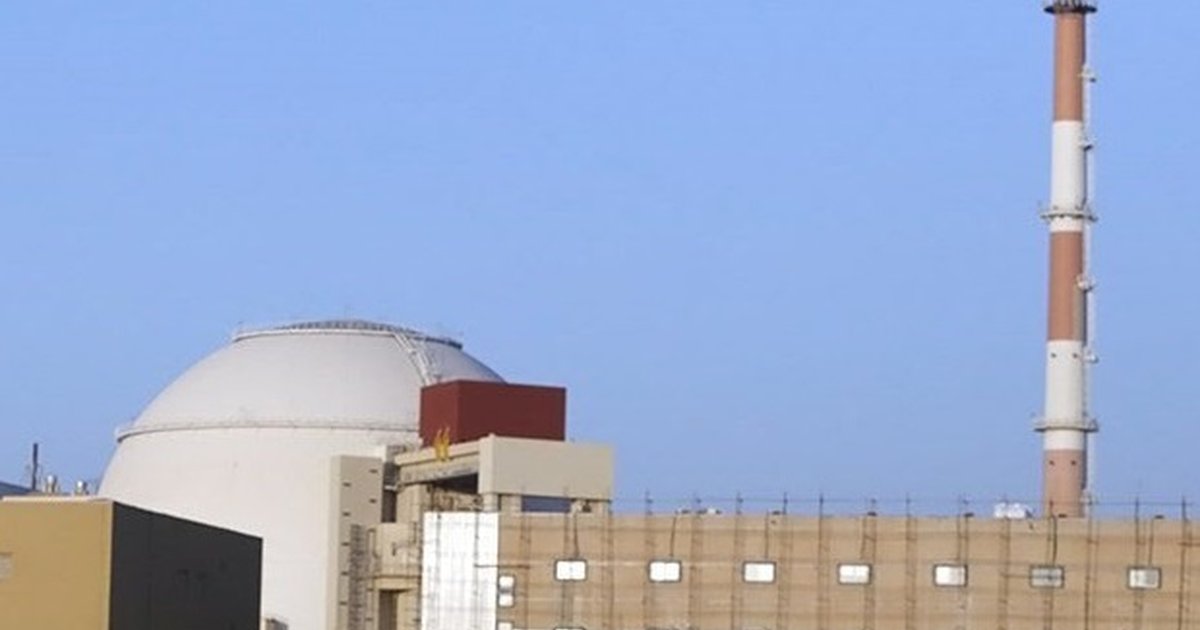
Bushehr Nuclear Plant
BUSHEHR NUCLEAR PLANT INTELLIGENCE DOSSIER
The Bushehr Nuclear Plant is Iran's primary civilian nuclear power facility, jointly developed with Russia under President Masoud Pezeshkian's administration and operated under Iran's nuclear oversight framework. Located on the Persian Gulf coast, Bushehr represents Iran's critical strategic energy asset and geopolitical leverage point in regional power dynamics. The facility's operational status directly influences Iran's economic sanctions resilience, energy independence messaging, and nuclear program credibility within JCPOA negotiation contexts. Its geographic positioning makes it simultaneously a symbol of civilian nuclear capability and a potential flashpoint for regional military escalation, particularly given Gulf Cooperation Council member proximity and US naval presence in the Strait of Hormuz.
Bushehr ranks 174th on the LeadersCartel Power Index with a monitored tier classification across 7,241 active intelligence sources. The entity's 1.9 composite score reflects its specialized but constrained influence sphere—critical to Iran's energy narrative but operationally isolated from broader geopolitical decision-making networks. Signal distribution (1H/0E/0W) indicates one high-impact monitoring stream with no emerging or watch-tier developments, suggesting stable but closely surveilled operational status. The facility's ranking stability suggests neither escalating strategic prominence nor declining relevance; rather, consistent international focus on its nuclear security protocols and accident prevention measures.
Recent signal activity centers on military threat assessments. Headlines capture Trump administration warnings of "hell" responses tied to Iranian retaliation operations, while simultaneous reporting emphasizes catastrophic Gulf consequences from hypothetical attacks on the facility. A third signal addresses geopolitical alarm mechanisms surrounding the plant's vulnerability profile. These convergent signals indicate elevated threat perception among US decision-makers and regional stakeholders following recent escalation cycles, without evidence of imminent operational disruption.
Analysts should monitor Trump administration rhetoric escalation over 48-72 hours, specifically whether military posturing translates into declared no-strike zones around civilian nuclear infrastructure. The critical trigger event: any Iranian announcement of heightened Bushehr security protocols or emergency cooling system activations would signal Tehran's assessment of imminent kinetic risk and would typically precede either defensive military mobilization or diplomatic de-escalation signals.