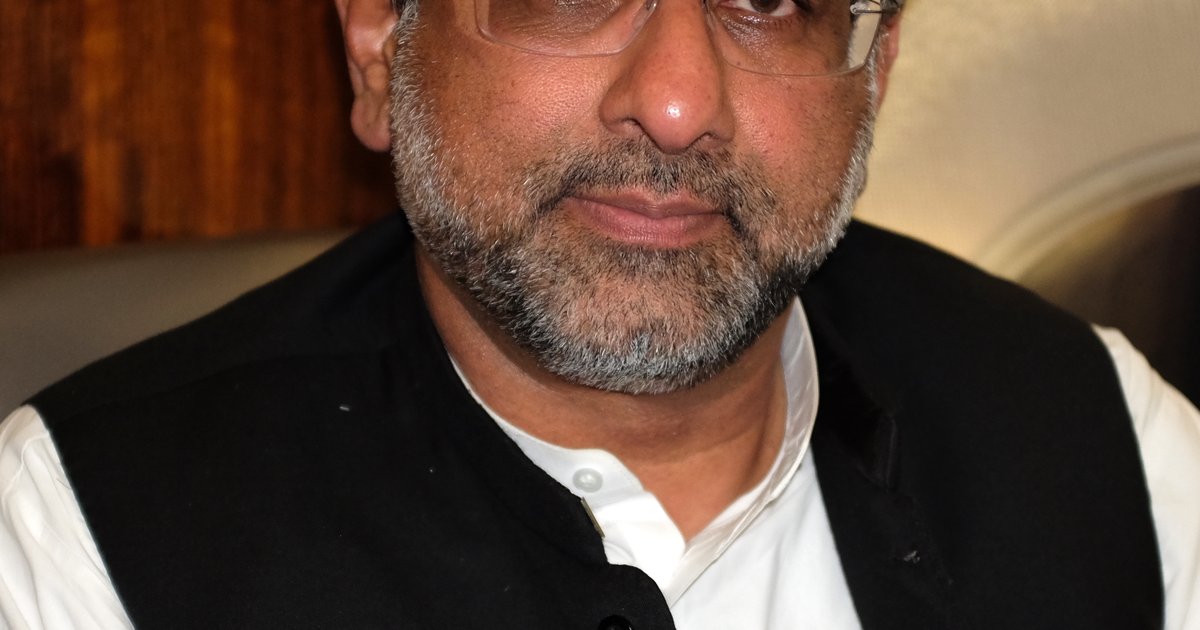
Shahid Khaqan Abbasi
INTELLIGENCE DOSSIER: SHAHID KHAQAN ABBASI
Shahid Khaqan Abbasi is a senior Pakistani political leader and former Prime Minister of Pakistan, currently operating as a key opposition figure within Pakistan's Democratic Party framework. His global significance derives from Pakistan's strategic position at the nexus of South Asian geopolitics, energy security corridors linking the Middle East to China, and his direct influence over economic policy affecting SAARC relations. Abbasi's technical background in engineering and petroleum sectors positions him as a bridge between energy markets and political decision-making, particularly relevant given Pakistan's chronic energy deficits and dependence on OPEC-sourced crude.
Abbasi maintains monitored-tier status on the LeadersCartel Power Index at rank 216 with a stability score of 1.7, tracked across 7,241 active intelligence sources. His signal distribution shows one high-impact signal against zero emerging indicators and zero watch-level developments, suggesting consolidation rather than expansion of influence. The single dominant signal indicates focused activity in a specific domain rather than broad political mobilization. His positioning reflects a secondary but relevant actor within Pakistani institutional politics—monitored for policy advocacy rather than immediate threat escalation.
Recent signals capture Abbasi's public advocacy for fuel price deregulation paired with promotion of electric vehicle adoption, signaling pivot toward economic liberalization and climate-aligned industrial policy. This dual messaging targets multiple constituencies: business elites favoring market mechanisms and younger urban demographics prioritizing environmental standards. The network linkage to Samsung and Tim Cook suggests engagement with tech-sector stakeholders regarding EV infrastructure, while OPEC and Rosneft connections indicate continued energy sector positioning despite stated pivot toward renewables.
Analysts should monitor whether Abbasi's deregulation advocacy gains institutional traction within Pakistani government structures over the next 72 hours, particularly any formal policy proposal submission. The specific trigger event to watch: announcement of concrete EV subsidy framework or fuel price mechanism reform that would indicate translation of advocacy into legislative action and signal genuine policy influence ascension.