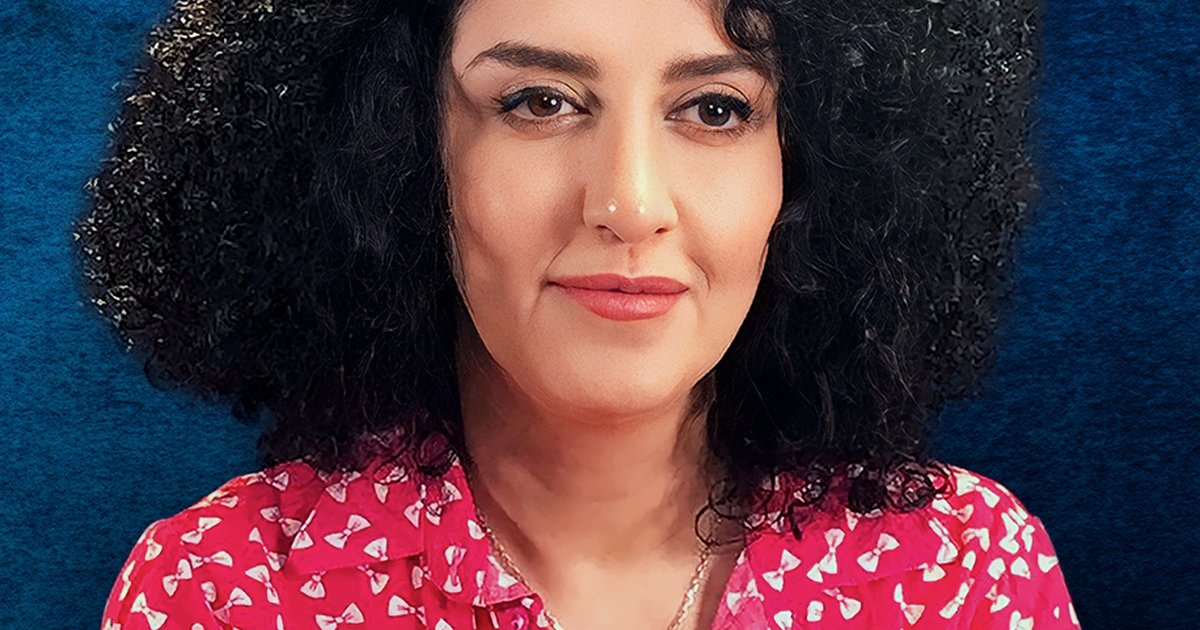
Narges Mohammadi
INTELLIGENCE DOSSIER: NARGES MOHAMMADI
Narges Mohammadi is an Iranian human rights activist and Nobel Peace Prize laureate currently serving as a prominent opposition figure within Iran's civil society ecosystem. Though not a formal state leader, Mohammadi functions as a symbolic and organizational focal point for Iranian pro-democracy and women's rights movements, granting her outsized influence over international advocacy networks and Iran's domestic reform discourse. Her significance derives from her ability to mobilize transnational human rights coalitions while simultaneously maintaining credibility within Iran despite systematic persecution—a rare dual legitimacy that complicates Tehran's information control strategy.
Mohammadi's monitored tier classification on the LeadersCartel Power Index reflects her asymmetric influence profile. Ranked 113th globally with a score of 3.1 across 320 tracked intelligence sources, her positioning captures her constrained but persistent operational capacity. The signal distribution (1H/0E/0W) indicates one high-impact active signal against zero emerging or watch-status developments, suggesting her influence operates through episodic crises rather than sustained institutional power. Her rank stability indicates neither rising nor declining trajectory—she occupies a fixed position as a managed opposition figure within Iran's calculated tolerance threshold.
Recent developments signal tactical shifts in Tehran's containment approach. Mohammadi's transfer to a Tehran hospital following bail release represents a notable modification to her incarceration pattern, suggesting either humanitarian concessions under international pressure or strategic repositioning ahead of potential diplomatic negotiations. These headlines—"Jailed Iranian Nobel Laureate Gets Bail, Moved To Hospital," "Nobel laureate transferred to Tehran hospital," and "Iranian Nobel Prize winner released on bail"—collectively indicate health-related detention adjustments that reduce her propaganda value while maintaining state control. This medical relocation likely reflects international advocacy pressure linked to her connected geopolitical nodes: United States (Trump administration), Russia, and Saudi Arabia.
Analysts should monitor the 48-72 hour trajectory of her medical status and potential early release patterns. Watch specifically for any statements from Trump's State Department regarding Mohammadi or Iranian human rights—such recognition would signal shifting U.S. leverage in broader Iran negotiations. The critical trigger: confirmation of either her full release or permanent hospital confinement would indicate whether Tehran is normalizing her status or preparing