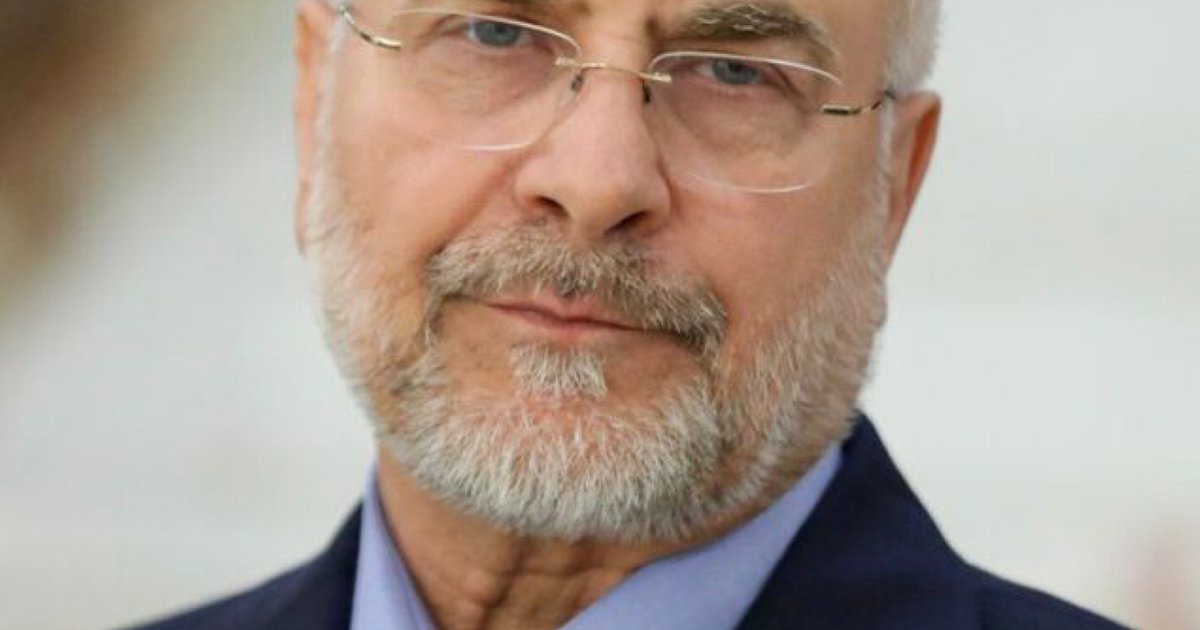
Mohammad Bagher Ghalibaf
Mohammad Bagher Ghalibaf is the Speaker of Iran's Parliament (Majlis), a position he has held since 2020 and reconfirmed through 2024. As the senior legislative authority in Iran's dual-power system, Ghalibaf wields considerable influence over domestic policy, budget allocation, and parliamentary messaging on foreign affairs—making him a critical node in Tehran's decision-making architecture. His significance extends beyond Iran's borders: parliamentary speakers directly shape Iran's negotiating posture on sanctions, nuclear policy, and regional security, particularly vis-à-vis the Trump administration's renewed maximum pressure strategy.
Ghalibaf's LeadersCartel ranking of #199 with a composite score of 1.7 reflects a monitored-tier profile tracked across 7,241 active intelligence sources. The signal distribution (1 high-impact signal, zero emerging and zero watch-level alerts) indicates stable but contained influence—consistent with his legislative rather than executive role. His position appears stable rather than declining, suggesting continued operational control of Parliament but limited capacity for independent policy innovation. The linked entities (OPEC, Rosneft, Samsung, President Masoud Pezeshkian, Tim Cook) signal involvement in energy geopolitics, technology sanctions evasion, and executive-legislative coordination.
Three signal developments this week underscore escalating US-Iran tension. Ghalibaf publicly warned that "US attempts to strong-arm Iran will fail," directly messaging Trump's incoming or ongoing pressure campaign. Simultaneously, the US submitted a draft UN Security Council resolution targeting Iranian navigation in the Strait of Hormuz, a critical chokepoint controlling 21% of global oil transit. Iranian officials including parliamentary leadership issued formal escalation warnings specific to the Strait, suggesting coordinated threat communication from Tehran's leadership tier.
Analysts should monitor Ghalibaf's parliamentary responses to any new US sanctions or military posturing over the next 72 hours. The specific trigger: any parliamentary vote on retaliatory energy disruption measures (oil export restrictions or Strait navigation blockade rhetoric) would signal transition from rhetoric to legislative authorization for operational escalation.