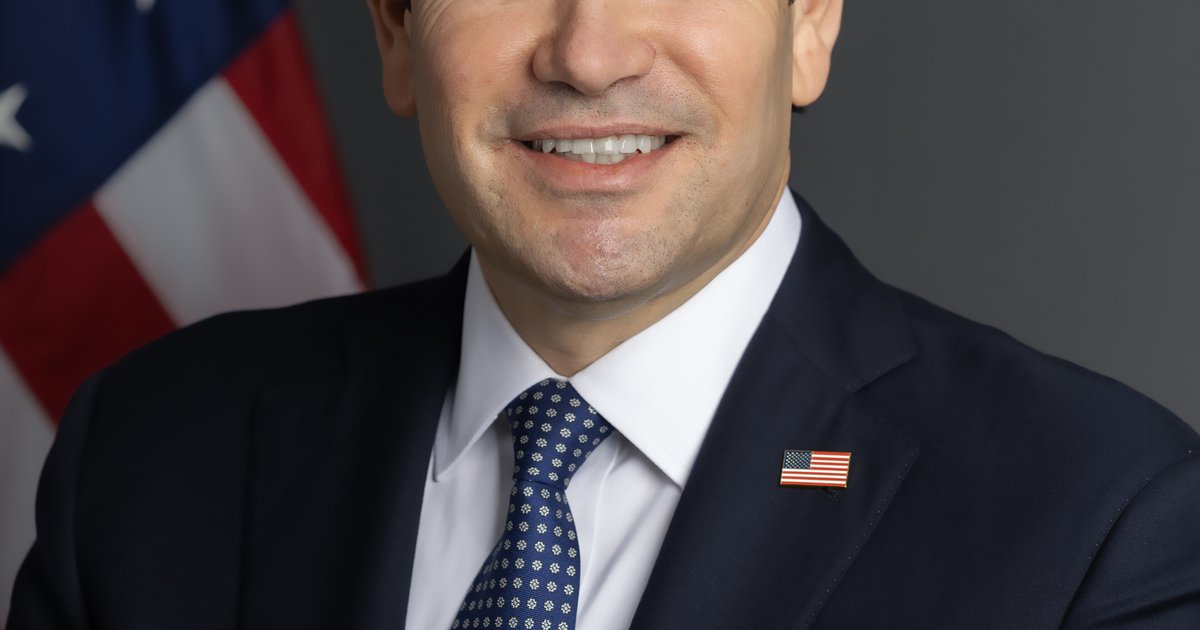
Marco Rubio
INTELLIGENCE DOSSIER: MARCO RUBIO
Classification: Monitored Leadership Asset | LC Rank #106
Marco Rubio is the United States Secretary of State under current President Donald Trump, representing one of the administration's most ideologically aligned diplomatic voices. As chief US diplomat, Rubio commands influence over foreign policy architecture across 195 sovereign states and shapes strategic positioning on Israel-Palestine tensions, Indo-Pacific competition, and great power relations. His significance derives from direct presidential confidence and control over State Department operational capacity, making him central to Trump administration messaging on Middle East conflicts, alliance management with India and Gulf states, and counterbalance to Chinese and Russian initiatives globally.
Rubio's LeadersCartel tracking reflects stable positioned influence at rank #106 with a monitored tier classification across 515 discrete intelligence sources. The signal architecture shows four emerging indicators (4E classification) and zero watch-level alerts, indicating steady rather than accelerating momentum. His tier designation prioritizes continuous monitoring rather than crisis-level flagging, consistent with established diplomat patterns. The score of 4.1 reflects consequential but non-peak positioning within the leadership cartel, typical for State Department principals who operate within institutional constraints rather than autonomous decision-making authority.
Three active signals frame current operational focus: Rubio publicly advocated for Israeli "crackdown" measures against West Bank settler violence, indicating nuanced Israeli-Palestinian policy engagement beyond blanket support rhetoric. The Trump administration designation of Rubio as "super intelligence diplomat" signals elevated advisory role on classified briefings and covert operations oversight. Concurrent signals show US lawmakers pressuring Rubio on Indian human rights records, revealing domestic accountability friction on Modi administration alignment.
Seventy-two-hour monitoring priorities should track State Department messaging discipline around West Bank violence rhetoric and potential Congressional testimony scheduling. Watch for any public Rubio-Modi bilateral engagement announcements, which would signal India policy elevation. The critical trigger event is State Department guidance documents on Israeli settlement policy—any hardline repositioning would indicate Trump administration policy crystallization on Palestinian territory disputes.