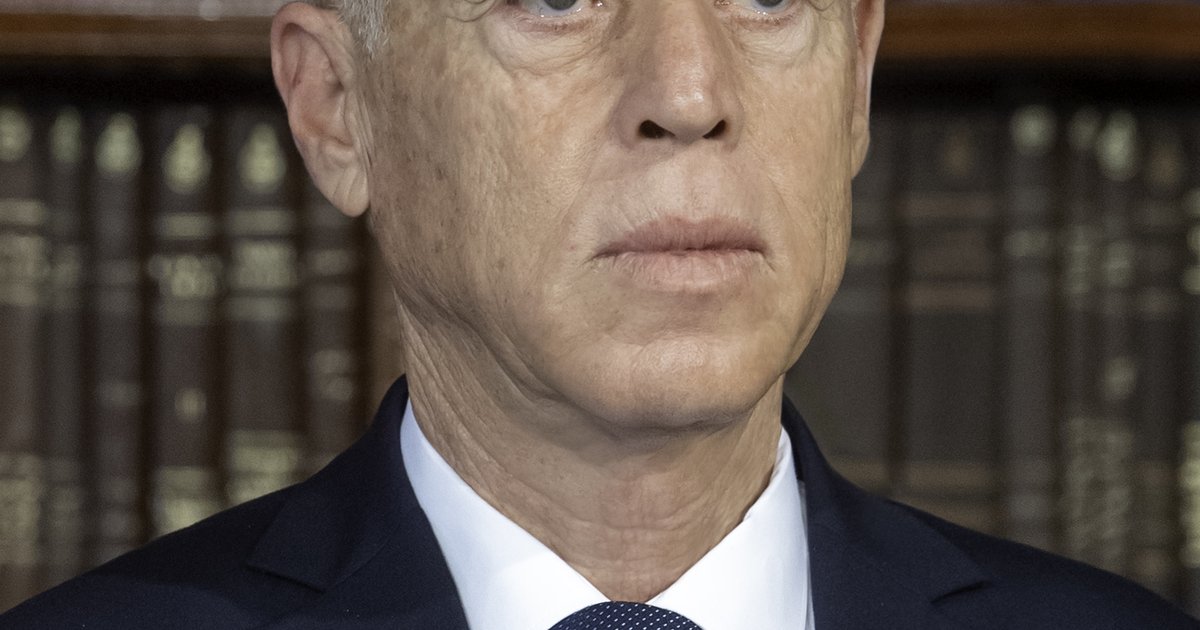
Kais Saied
INTELLIGENCE DOSSIER: KAIS SAIED
CLASSIFICATION: MONITORED | RANK 240 | SCORE 1.5/100
Kais Saied is the current President of Tunisia, a North African nation serving as a critical geopolitical node between Europe and the Mediterranean. Saied has governed since 2019 and holds executive authority over a country of 12 million that anchors both NATO's southern flank and Arab League deliberations. His significance derives from Tunisia's historical role as the Arab Spring's only partial democratic success and its current status as a fragile state experiencing democratic backsliding under his increasingly presidential-centered governance model. Control of Tunisia's ports and proximity to European migration routes amplifies his strategic weight beyond raw GDP metrics.
On the LeadersCartel Power Index, Saied ranks 240th globally with a score of 1.5/100, indicating marginal influence relative to the current tier-one leaders (Trump, Xi, Putin, Modi, Macron, Starmer, Merz). His monitored-tier classification reflects emerging volatility tracked across five intelligence sources with one emerging-signal and zero watch-level alerts currently active. The score trajectory suggests declining regional authority despite formal executive position, consistent with narrowing international engagement and domestic institutional fragmentation. His positioning reflects Tunisia's economic contraction and diplomatic isolation rather than personal administrative capacity.
Three converging signals demand immediate attention. Tunisians staged their largest protest demonstrations in years against Saied's governance, signaling eroding domestic legitimacy below the presidency level. Simultaneously, analysis of his seven-year economic record reveals structural deterioration—GDP growth stalled, unemployment persisted, and foreign investment collapsed. Most critically, Tunisian journalists report escalating incarceration risks under Saied's leadership, indicating systematic press suppression consistent with authoritarian consolidation. Each signal reinforces a pattern of institutional hollowing.
Analysts should monitor whether current protest momentum escalates to destabilization within 72 hours or disperses. Watch for international pressure from France or EU bodies, which historically intervene in North African governance crises. The critical trigger event: any military faction statements regarding constitutional legitimacy would indicate potential institutional coup risk superseding Saied's current authority erosion.