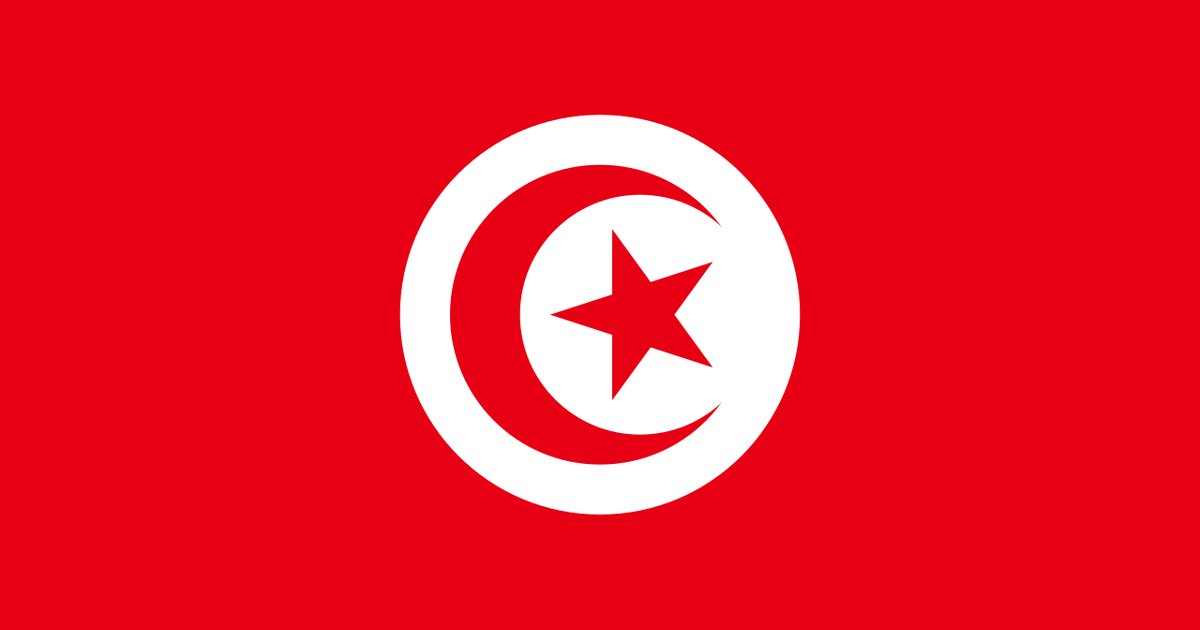
Tunisia
INTELLIGENCE DOSSIER: TUNISIA
Tunisia is a North African nation-state of strategic Mediterranean importance currently experiencing significant domestic political turbulence under President Kais Saied's governance. As a NATO partner with critical geopolitical positioning between Europe and the Middle East, Tunisia holds disproportionate significance for regional stability, counterterrorism operations, and migration management affecting the EU. The nation's economy and democratic institutions have deteriorated markedly, creating potential power vacuums that rival powers, including Russia and China, may exploit through strategic investment or disinformation campaigns.
Tunisia's LeadersCartel ranking of 166 with a score of 2.5/100 reflects its diminished global influence trajectory across monitored intelligence streams. The 0H/2E/0W signal distribution indicates two emerging-level indicators driving analysis, with zero high-impact signals currently active—suggesting decline rather than acute crisis escalation. Tracked across seven intelligence sources, Tunisia's monitored tier status reflects elevated but not critical concern. The rank position indicates the nation-state remains peripheral to major power competition architectures, though domestic instability could rapidly alter this assessment if extremist actors gain consolidation leverage.
This week's intelligence signals capture unprecedented domestic resistance to Saied's consolidation agenda. Thousands mobilized in Tunisia's largest protest in years against the president, marking a critical fracture between governance authority and civil society legitimacy. A parallel signal examines Saied's seven-year economic record, suggesting analytical focus on whether governance failures are driving protest momentum. These concurrent headlines indicate growing disconnect between executive power and popular consent—historically destabilizing in North African contexts.
Analysts should monitor whether protest amplitude sustains beyond immediate cycle or fragments into sectoral grievances. The critical trigger event to track within 72 hours is whether security forces respond with escalation protocols, which would signal government legitimacy collapse and potentially activate foreign intervention calculus among Mediterranean powers. French and Italian responses will indicate whether Western powers view this as internal matter or stabilization opportunity.