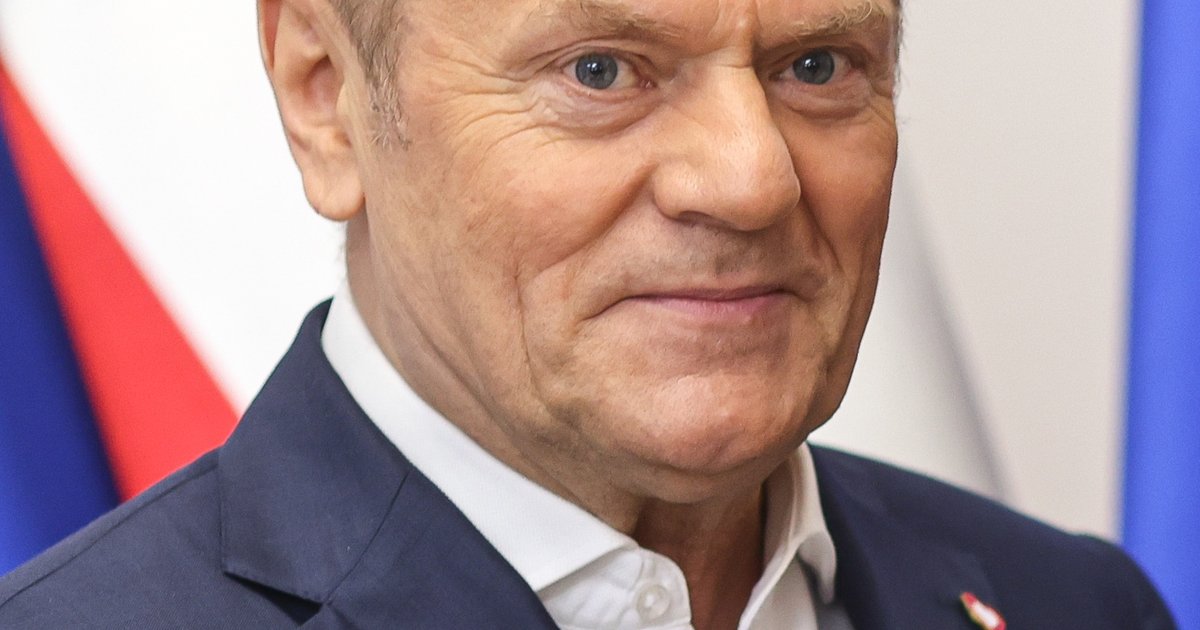
Donald Tusk
INTELLIGENCE DOSSIER: DONALD TUSK
Donald Tusk is the current Prime Minister of Poland, a NATO member state and the EU's strategic eastern anchor. Tusk holds the highest executive authority in Warsaw and commands direct influence over Polish foreign policy, defense posture, and European Union coordination. His significance derives from Poland's critical geopolitical position: bordering Russia and Ukraine, hosting substantial NATO military infrastructure, and leading EU responses to Russian aggression. Tusk's political trajectory from European Council President to domestic Polish leadership positions him as a bridge between Brussels institutions and Warsaw's security interests, making him instrumental in shaping NATO cohesion and European strategic autonomy initiatives.
Tusk registers at rank 248 on the LeadersCartel Power Index with a stability score of 1.3, tracked across four intelligence sources with a monitored tier classification. The signal distribution pattern (0H/0E/0W) indicates no active high-impact signals, suggesting relatively stable positioning without emerging threats or escalating watch conditions. His placement reflects mid-tier European leadership prominence: substantial but not supreme global influence. The flat signal distribution suggests his power indices are holding steady rather than declining, consistent with a sitting prime minister in a stable NATO ally managing routine governance.
Three critical developments emerged this reporting cycle. First, NDTV World Summit 2026 coverage elevated Tusk's international profile as Poland's representative in global policy forums. Second, a spyware manufacturer's access to data harvested by Poland's former government triggered institutional credibility concerns affecting the transition administration Tusk now leads. Third, Polish authorities arrested a second suspect in threats targeting Prime Minister Tusk personally, indicating active security risks requiring protective resources. Each incident compounds governance pressure on the Warsaw administration.
Analysts should monitor whether the spyware breach generates EU-level investigations affecting Poland's intelligence trust ratings over the next 72 hours. Watch for any correlation between personal security threats and public confidence metrics. The critical trigger event: any statement from Tusk linking the spyware exposure to current NATO coordination protocols, which would signal institutional compromise concerns escalating to allied defense partnerships.