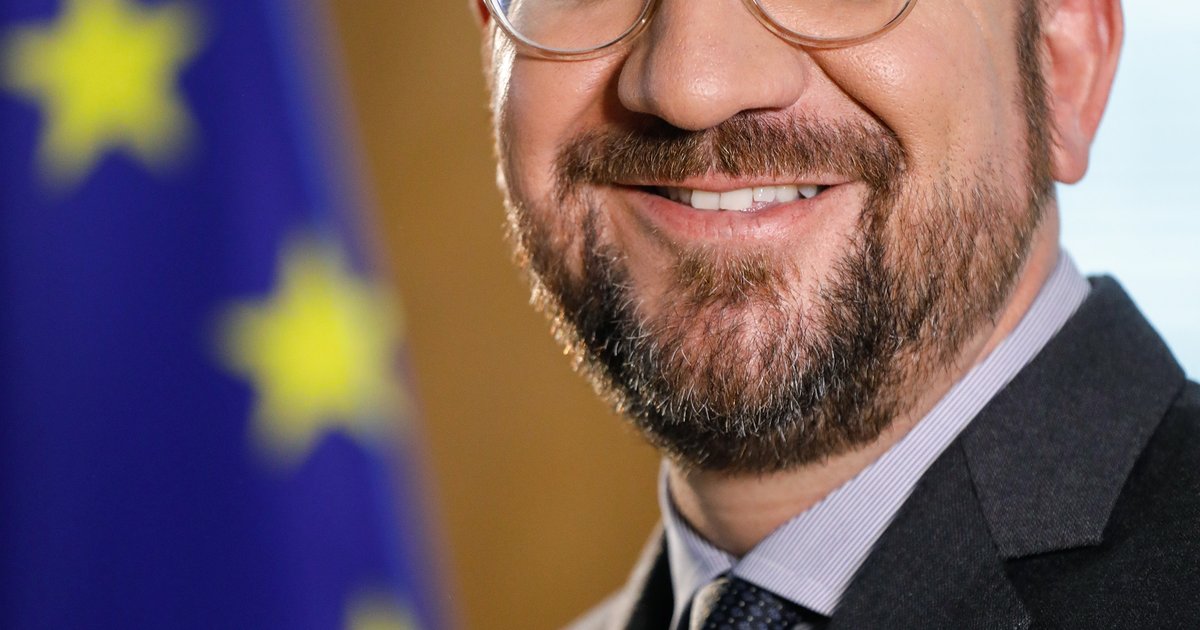
Charles Michel
INTELLIGENCE DOSSIER: CHARLES MICHEL
Charles Michel is the current President of the European Council, the executive body coordinating EU member state governments and representing European interests in global affairs. As the de facto head of European diplomacy and political coordination, Michel occupies a critical node in transatlantic and global geopolitical networks, wielding significant soft power over 27 member states and serving as a primary interface between European capitals and major world powers.
Michel's LeadersCartel ranking at position 183 with a composite score of 1.8 reflects monitored-tier status across 19 intelligence sources, with signal distribution favoring emerging developments (1E) over high-impact or watch-category signals (0H/0W). This positioning indicates declining relative influence within European leadership hierarchies, likely attributable to Friedrich Merz's ascension as German Chancellor in May 2025 and Emmanuel Macron's continued dominance in EU strategic affairs. Michel's tier classification suggests his power derivative from institutional position rather than independent political capital.
Three critical signal developments emerged this reporting cycle. Michel publicly criticized Europe's exclusion from Iran conflict negotiations, stating "Europe not being at the table is a failure," signaling frustration with US-led decision-making under Trump's second term. Simultaneously, Michel coordinated with German Chancellor Merz and Czech leadership to send unified messaging to Moscow from Kyiv, demonstrating residual diplomatic coordination capacity. However, Michel's public criticism of EU Commission President von der Leyen for "very slow" progress underscores internal European fracture and Michel's diminished ability to enforce institutional priorities.
Analysts should monitor Michel's positioning during upcoming EU strategic reviews (72-hour window). The critical trigger event is any formal European security initiative announced without Michel's visible leadership—such occurrence would confirm institutional sidelining and signal von der Leyen's consolidation of European executive authority, fundamentally reshaping EU diplomatic hierarchy.