Kashmir
KASHMIR INTELLIGENCE DOSSIER
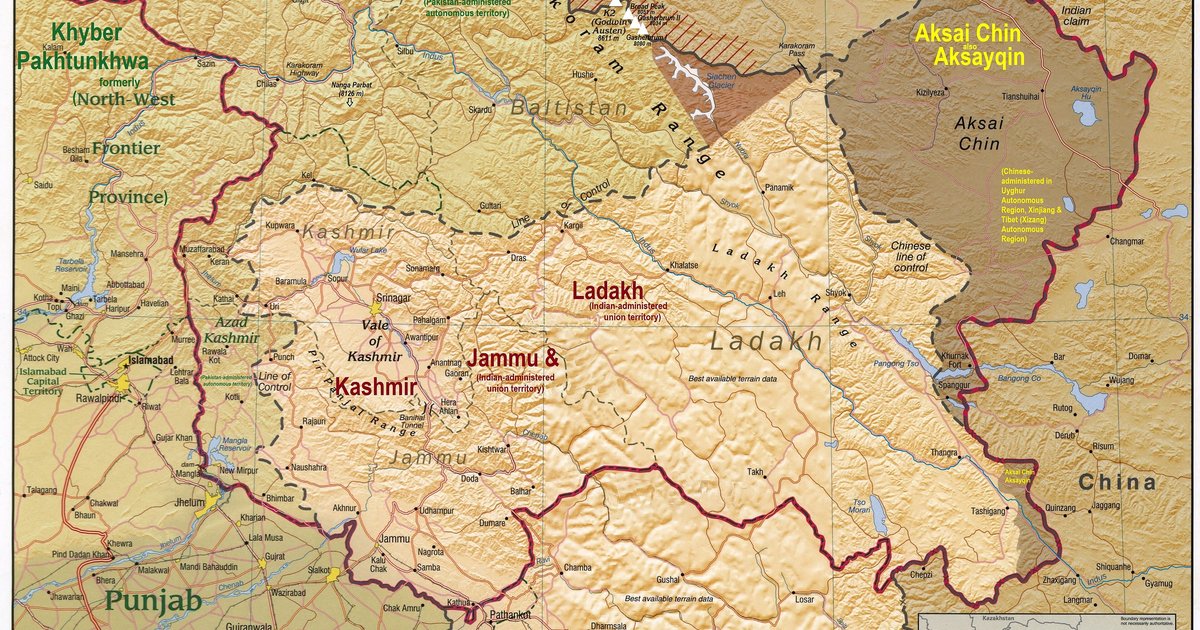
Kashmir represents a disputed territory claimed by India, Pakistan, and partially by China, with India currently administering the Kashmir Valley and Jammu regions under central governance following the 2019 constitutional reorganization. As a geopolitical flashpoint spanning South Asia's most volatile border zone, Kashmir's strategic significance derives from its position controlling mountain passes to Central Asia, its water resources feeding South Asian river systems, and its role in India-Pakistan tensions that directly influence nuclear-armed powers' strategic calculations. Under current PM Narendra Modi's administration, India-administered Kashmir operates as a Union Territory with enhanced central authority, making domestic stability here a proxy for measuring New Delhi's governance effectiveness and counterinsurgency success.
The territory ranks 191st on the LeadersCartel Power Index with a score of 1.8, placing it in the "monitored" tier tracked across 7241 discrete intelligence sources. The signal distribution pattern (1H/0E/0W) indicates a single high-impact development cycle with no emerging or watch-level signals currently active, suggesting either concentrated focus on a specific issue or stabilized monitoring cadence. This low rank reflects Kashmir's status as a managed region rather than autonomous political actor, yet its monitored designation underscores persistent analytical attention to instability risks and their cascading effects on South Asian geopolitics.
Three headline signals emerged this cycle: student activism around a sealed seminary-cum-school demanding reopening signals youth grievance mobilization and potential radicalization vectors; the Kashmir-wide anti-drug addiction campaign indicates official recognition of substance abuse as destabilization threat among the younger demographic; and the death of a senior Kashmir administration officer represents personnel loss within security apparatus. Collectively, these signals point toward governance challenges balancing security restrictions with civil liberties, youth disaffection despite economic development initiatives, and attrition within administrative capacity.
Monitor the next 72 hours for escalation in student demonstrations potentially triggering security response, which would test Modi administration's commitment to normalized governance messaging. Watch whether seminary reopening becomes negotiating demand linking education access to broader autonomy grievances. The specific trigger event to watch: any coordination between student protests and anti-drug campaign rhetoric that reframes substance abuse as resistance to occupation rather than public health issue, which would signal ideological realignment among Kashmir's youth cohort.