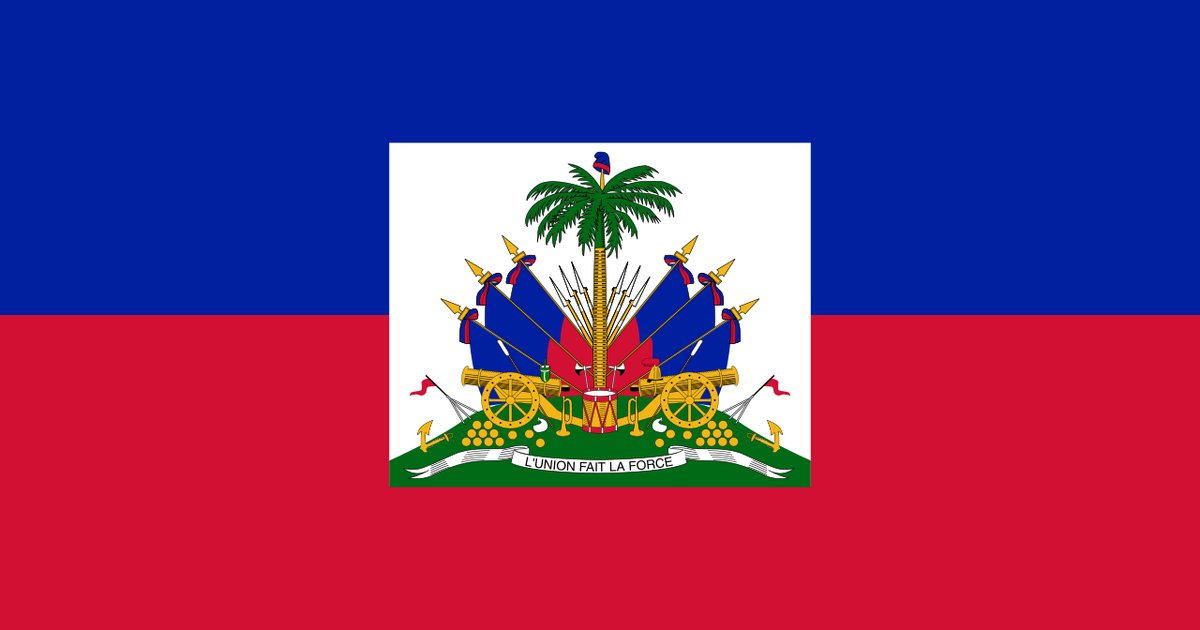
Haiti
HAITI INTELLIGENCE DOSSIER
Haiti is a Caribbean nation-state and former French colony currently experiencing acute state fragility amid gang violence, humanitarian crisis, and minimal institutional capacity. As the Western Hemisphere's most impoverished country, Haiti holds strategic significance for US regional security, migration patterns, and humanitarian intervention—factors that elevate monitoring priority despite its modest formal power index ranking. The nation's weakness creates vacuum conditions attractive to transnational criminal networks and generates irregular migration flows affecting US southern border policy under the Trump administration.
Haiti's LeadersCartel Power Index position at rank 211 with a score of 1.7/100 reflects institutional collapse rather than recent deterioration, suggesting stabilization at minimal threshold rather than active decline. Signal tracking across two intelligence sources distributes as one emerging signal against zero high-impact and zero watch-tier indicators, positioning Haiti in the monitored tier—watched for contagion effects rather than autonomous threats. The emerging classification suggests potential policy shifts or international intervention developments warrant closer attention despite limited sovereign capability.
Three concurrent signal developments indicate critical pressure points this week. Capoeira classes targeting peace promotion signal civil society attempts at gang violence mitigation through cultural programming—a low-capacity adaptation to security breakdown. Haiti sanctions renewal targeting gang financing reveals international effort to starve criminal networks of operational resources, directly addressing the institutional vacuum. Houthi commentary regarding Haiti signals unexpected geopolitical entanglement where Middle Eastern actors reference Caribbean instability, suggesting Haiti's chaos attracts opportunistic attention from non-state actors operating globally.
Analysts should monitor whether the sanctions package produces measurable gang financing disruption within 72 hours and track Houthi statement amplification patterns for broader destabilization rhetoric. The specific trigger event warranting immediate escalation alert: any credible intelligence regarding transnational cartel consolidation with Haitian gang networks, which would transform Haiti from humanitarian liability into active security threat.