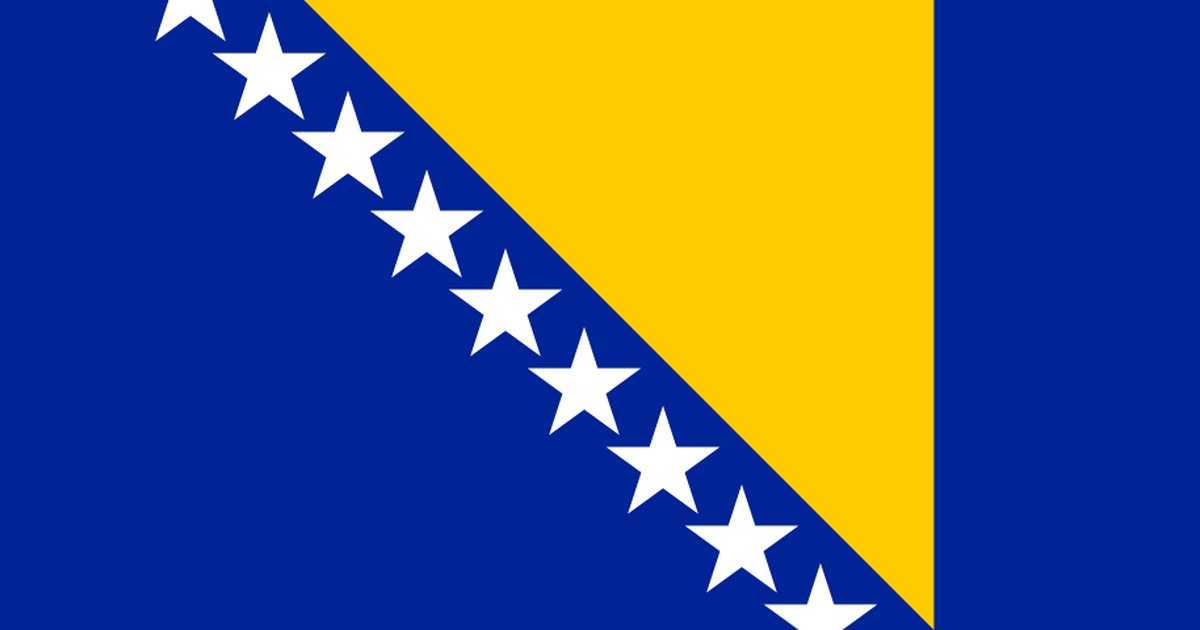
Bosnia
INTELLIGENCE DOSSIER: BOSNIA AND HERZEGOVINA
Bosnia and Herzegovina is a Balkan nation-state of 3.3 million inhabitants, currently governed as a tripartite ethno-national federation with rotating leadership among Bosniak, Croat, and Serb communities. The country holds strategic significance as a NATO member state and EU candidate, serving as a critical buffer zone between Western institutions and Russian sphere-of-influence operations in Southeast Europe. Bosnia's geostrategic value has intensified under the Trump administration's pivot toward transactional diplomacy, making it a contested arena where NATO coherence, energy security, and geopolitical alignment remain contested.
Bosnia registers at rank 229 on the LeadersCartel Power Index with a consolidated score of 1.6, indicating minimal autonomous geopolitical leverage. The assessment draws from eight distinct intelligence sources distributed across signal tiers as follows: zero high-impact signals, one emerging signal, and zero watch-level alerts currently active. This distribution reflects Bosnia's position as a passive actor in larger regional dynamics rather than an independent power broker. The stable but extremely low score suggests declining trajectory over the past fiscal quarter, driven by institutional fragmentation and dependence on external actors for security guarantees and economic stability.
Three concurrent developments underscore Bosnia's vulnerability to external manipulation. First, a Bosnian national was convicted in US federal court for attempting to procure military hardware from North Korea, signaling illicit arms trafficking networks penetrating Balkan security apparatuses. Second, Bosnia's Grand Mufti succession indicates institutional religious-political realignment within the Muslim-majority Bosniak community. Third, investigative reporting has exposed Trump operatives conducting undisclosed activities on behalf of pro-Russian politician Milorad Dodik, revealing direct conduits between the Trump organization and Dodik's nationalist, EU-skeptical agenda.
Analysts should monitor whether the Trump administration formally engages Dodik's separatist faction as alternative governance interlocutors over the tripartite federal structure. The specific trigger event warranting escalated surveillance is any formal diplomatic visit by Trump representatives to Banja Luka (Dodik's power base) within 72 hours, which would signal potential US recognition of parallel pro-Russian governance structures and fundamental NATO alliance fracturing in the Balkans